Check out our leading manufacturer for professional coil packing solutions here:
Are you curious about the differences between industrial robots and collaborative robots (cobots)? In this informative YouTube video, we will explore the advantages and disadvantages of both types of robots, as well as the benefits of using industrial robots in various applications. So, let’s dive in and discover why cobots are becoming increasingly popular in the manufacturing industry!
Firstly, what exactly is a cobot? A cobot, short for collaborative robot, is designed to work alongside human operators in a shared workspace. Unlike traditional industrial robots, cobots are equipped with advanced sensors and safety features that allow them to interact safely with humans. These robots are programmed to perform repetitive and physically demanding tasks, making them ideal for enhancing productivity and reducing human errors.
Now, let’s discuss why you should consider using a cobot in your manufacturing processes. One major advantage of cobots is their versatility. They can be easily programmed and reprogrammed to perform different tasks, allowing for greater flexibility in production lines. This means that cobots can quickly adapt to changing production needs, saving both time and money.
Additionally, cobots are known for their ease of use. Unlike traditional industrial robots that require specialized training and expertise to operate, cobots are designed to be user-friendly. With intuitive interfaces and simple programming languages, even non-technical operators can quickly learn how to program and operate these robots. This not only reduces the dependence on skilled labor but also increases overall efficiency.
However, it is important to note that cobots have their limitations. Due to their collaborative nature, cobots generally have lower payload capacities compared to industrial robots. This means that they may not be suitable for heavy-duty tasks that require lifting or manipulating large objects. Furthermore, cobots typically have slower speeds compared to industrial robots, which may impact production cycle times in certain applications.
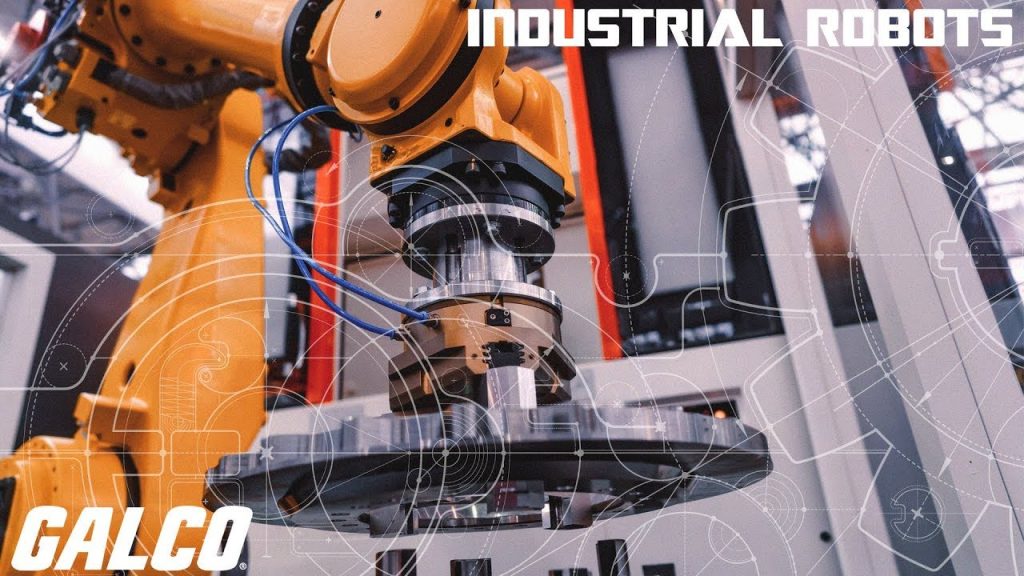
On the other hand, industrial robots are specifically designed for heavy-duty applications. They have high payload capacities and can perform tasks that require significant strength and precision. Industrial robots are commonly used in industries such as automotive manufacturing, where they can handle large components and perform complex assembly processes with great accuracy.
Despite their differences, both cobots and industrial robots offer unique benefits depending on the specific application. Industrial robots excel in tasks that require high-speed, high-precision, and heavy-duty capabilities. On the other hand, cobots shine when it comes to tasks that require collaboration with human operators, flexibility, and ease of use.
In conclusion, the decision to use either a cobot or an industrial robot depends on the specific needs of your manufacturing processes. Cobots are ideal for enhancing productivity, flexibility, and collaboration, while industrial robots excel in heavy-duty and high-precision applications. By understanding the advantages and disadvantages of each type of robot, you can make an informed decision that best suits your production requirements.
If you’re looking for a leading manufacturer of professional coil packing solutions, look no further! Our company specializes in providing top-quality coil packing solutions that are tailored to meet your specific needs. With our advanced industrial robots, you can enhance your production efficiency and achieve outstanding results. Contact us today to find out how our coil packing solutions can revolutionize your manufacturing processes!
Remember, when it comes to industrial robots, the benefits are endless. So why wait? Embrace the power of automation and take your manufacturing processes to new heights with our cutting-edge solutions. Contact us now to learn more!
Keywords: Benefits of Industrial Robots, collaborative robots, cobots, industrial robots, manufacturing industry, productivity, flexibility, human errors, repetitive tasks, versatility, programming, user-friendly, ease of use, payload capacity, speed, precision, heavy-duty applications, automotive manufacturing, assembly processes, specific needs, decision-making, production requirements, coil packing solutions, automation, cutting-edge solutions. Industrial Robot
“Cobots vs Industrial Robots: Exploring the Advantages of Collaborative Automation”