
Check out M-LINE Custom Packaging Solutions for all your packaging foam needs.”
Understanding Packing Lines: Exploring the Different Types of Packaging Foam
In the world of packaging, foam is a versatile and widely-used material known for its excellent cushioning properties. It is commonly used to protect fragile and delicate items during transportation and storage. However, not all foam materials are created equal. In this article, we will delve into the four most common types of packaging foams and their unique characteristics.
1. Expanded Polystyrene (EPS) Foam
EPS foam, also known as styrofoam, is a lightweight and cost-effective option for packaging. It is made by expanding polystyrene beads, resulting in a material that is rigid and offers good insulation. EPS foam is commonly used for packaging electronic devices, appliances, and other lightweight products. Its excellent shock absorption properties make it ideal for protecting fragile items during transit.
2. Polyethylene (PE) Foam
PE foam, a type of closed-cell foam, is known for its exceptional cushioning and shock-absorbing properties. It is resistant to moisture, chemicals, and temperature changes, making it suitable for a wide range of applications. PE foam is commonly used for packaging delicate items such as glassware, ceramics, and sensitive electronic components. Its lightweight nature and versatility make it a popular choice in various industries.
3. Polyurethane (PU) Foam
PU foam is a flexible and resilient material commonly used in packaging. It offers excellent impact resistance and cushioning, making it ideal for protecting heavy and valuable items. PU foam molds to the shape of the product, providing a custom fit and ensuring maximum protection during transport. This type of foam is commonly used in the automotive, furniture, and electronics industries.
4. Ethylene-vinyl acetate (EVA) Foam
EVA foam is a soft and flexible material known for its shock-absorbing and vibration-dampening properties. It has a high tensile strength, making it resistant to tearing and damage. EVA foam is commonly used to protect delicate items such as glass, ceramics, and jewelry. Its non-toxic nature also makes it suitable for use in the food and medical industries.
Understanding the different types of packaging foams is essential for selecting the most appropriate material for your specific packaging needs. Factors such as product fragility, weight, and transportation conditions should be considered when choosing the right foam material.
In conclusion, packaging foam plays a crucial role in protecting products during transit and storage. The four most common types of packaging foams, EPS, PE, PU, and EVA, offer unique characteristics and benefits. Whether you require lightweight insulation, exceptional cushioning, or custom-fit protection, there is a foam material that suits your packaging needs.
Check out M-LINE Custom Packaging Solutions for all your packaging foam requirements. With their expertise and industry-leading solutions, they can assist you in selecting the right foam material for your specific applications. Contact them today to ensure your products are protected during transit and storage.
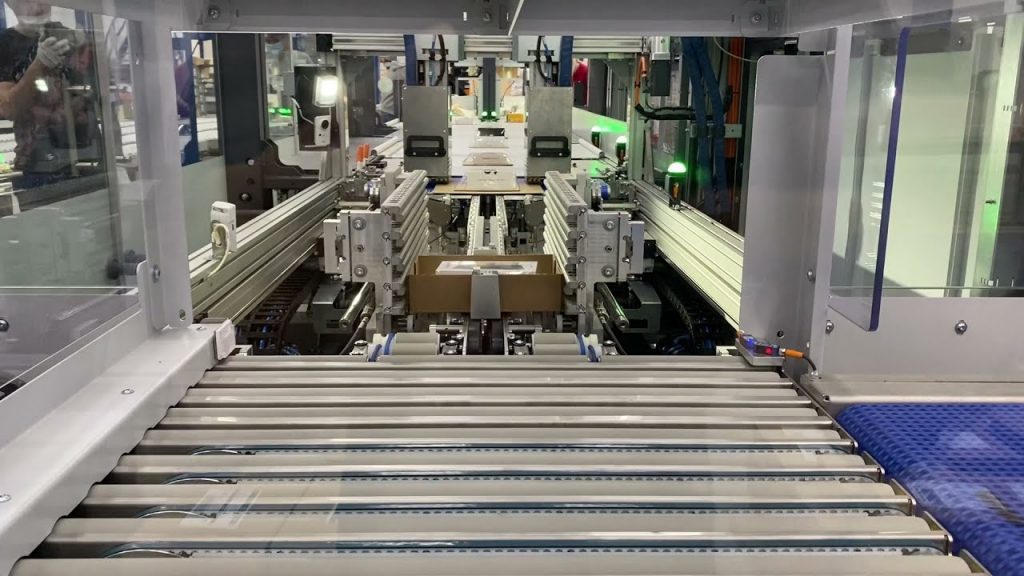
Check the coil packing solution with a leading manufacturer for the professional solution just here: [insert URL/website] Automatic packing line
“Demystifying Types of Packaging Foam: A Comprehensive Guide by Custom Packaging Experts”