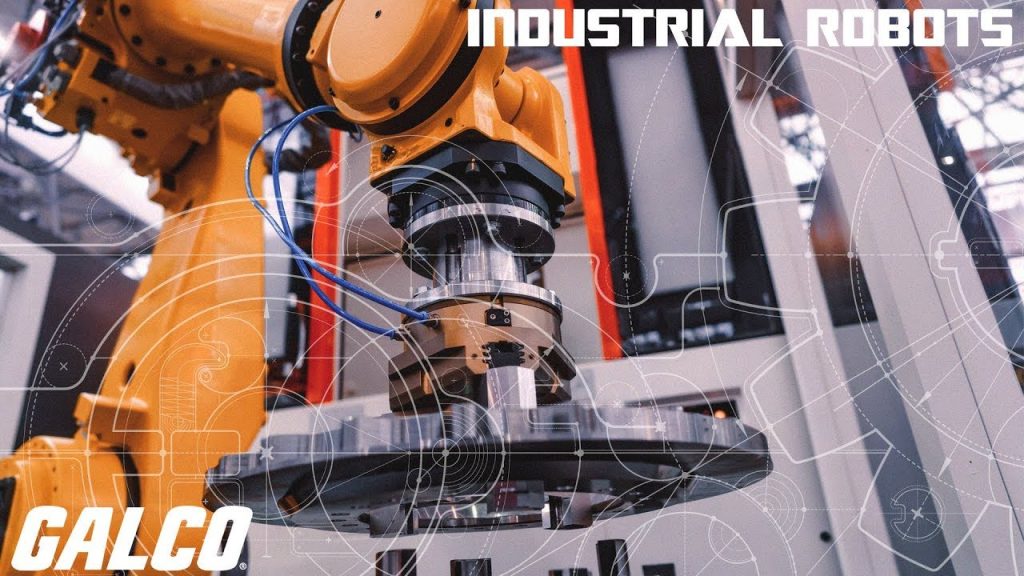
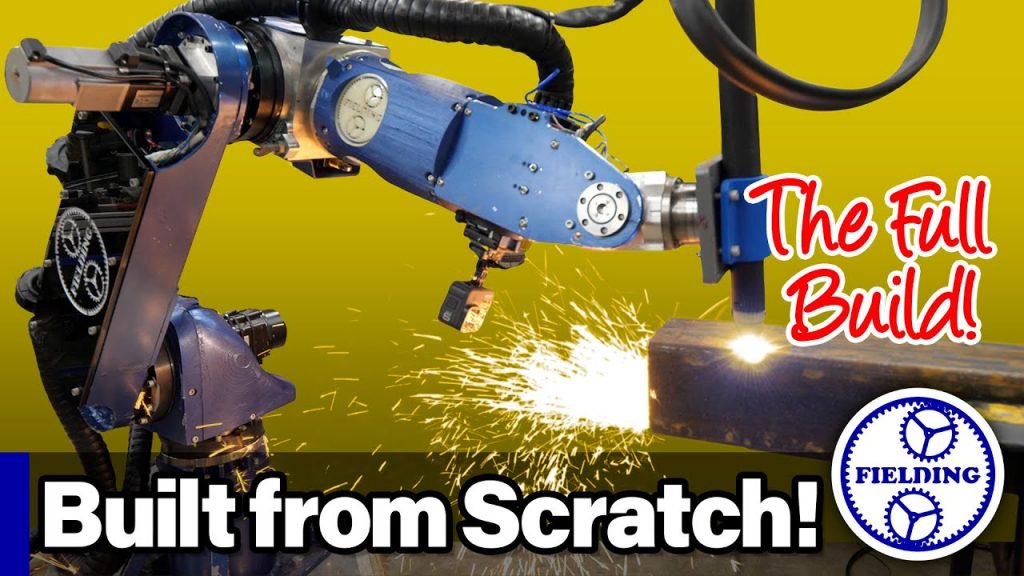
Check out the top industrial robot types and understand the concept of robot singularities in this informative YouTube video. In this article, we will delve deeper into the three types of robot singularity: wrist singularities, elbow singularities, and shoulder singularities. By the end of this article, you will have a comprehensive understanding of these concepts and their relevance in the field of industrial robotics.
Industrial robots have revolutionized various industries by automating repetitive tasks and increasing productivity. These robots are designed with multiple axes of motion, allowing them to move freely in six dimensions. However, the complex nature of these robots can sometimes lead to singularities, which are specific configurations where the robot loses one or more degrees of freedom.
Let’s start by understanding the three types of robot singularities. First, we have wrist singularities, which occur when the wrist joint of the robot aligns in a straight line with the arm. In this configuration, the robot loses the ability to rotate its wrist, limiting its range of motion. This can be problematic, especially when precise movements are required.
Next, we have elbow singularities, which occur when the robot’s arm is fully extended in a straight line. In this position, the robot loses the ability to rotate its elbow joint, restricting its movement. Elbow singularities can hinder the robot’s ability to reach certain areas, affecting its overall performance.
Lastly, we have shoulder singularities, which occur when the robot’s shoulder joint aligns with the arm and wrist joints. In this configuration, the robot loses the ability to rotate its shoulder joint, severely limiting its range of motion. Shoulder singularities can significantly impact the robot’s ability to reach certain positions, making it less efficient in certain tasks.
Understanding these robot singularities is crucial for engineers and technicians working with industrial robots. By identifying and avoiding these singularities, they can optimize the robot’s performance and prevent any potential issues. Additionally, being aware of these singularities allows for better programming and path planning, ensuring smooth and efficient robot movements.
In conclusion, the three types of robot singularities – wrist, elbow, and shoulder – are important considerations when working with industrial robots. By understanding these singularities, engineers and technicians can optimize the performance of these robots and prevent any potential limitations in their operations.
If you want to explore more about industrial robot types and learn how to overcome robot singularities, be sure to check out the accompanying YouTube video. It provides a detailed explanation of these concepts and offers valuable insights for anyone interested in the field of industrial robotics.
Remember, knowledge is power when it comes to industrial robots. Stay informed, stay ahead!
Check out the video below to gain a deeper understanding of industrial robot types and how to overcome robot singularities:
[Embedded YouTube video]
Industrial Robot
“The Fascinating Concept of Robot Singularities Explained! Discover the Different Types of Industrial Robots”