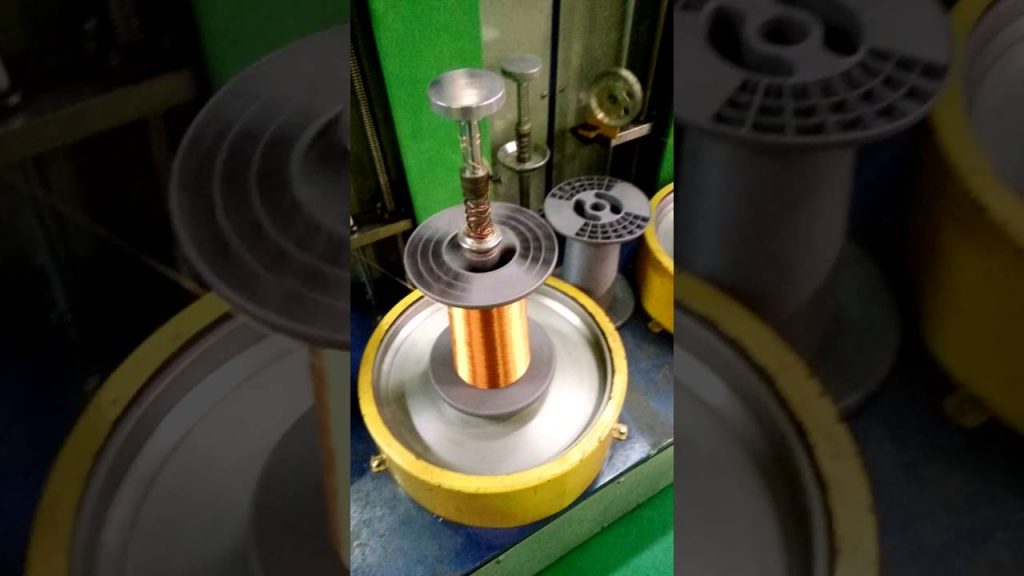

“Check out the advanced coil packing solution provided by a leading manufacturer for a professional solution right here.”
Title: Unveiling the Intricate Process of Coaxial Cable Braided Shield Production
Introduction:
In today’s digital age, where seamless connectivity is of paramount importance, coaxial cables play a crucial role in transmitting high-quality signals. However, have you ever wondered how these cables are manufactured? In this article, we will take a deep dive into the wire production basics and explore the intricate process of coaxial cable braided shield production. Join us on this fascinating journey to understand the technology behind these essential cables.
Wire Production Basics:
Before delving into the coaxial cable braided shield production process, it is essential to grasp the fundamentals of wire production. Coaxial cables typically consist of two sets of wires, with one set covered by a solid insulating material. These wires are carefully designed to ensure optimal signal transmission and minimize interference. Understanding the wire production basics is crucial to appreciate the complexity and precision involved in manufacturing coaxial cables.
Coaxial Cable Braided Shield Production Process:
The production process of coaxial cable braided shields involves several meticulous steps to ensure the highest quality and performance. Let’s take a closer look at each stage:
1. Wire Selection and Preparation:
The first step in the production process is selecting the right wires for the coaxial cable. These wires must meet specific criteria in terms of conductivity, durability, and insulation properties. Once selected, the wires undergo a thorough cleaning and preparation process to remove any impurities that may affect the cable’s performance.
2. Braiding the Shield:
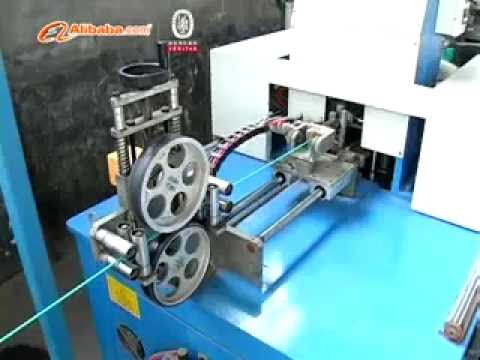
The braided shield is a critical component of coaxial cables, serving as an important defense against external interference. To create the braided shield, the wires are carefully woven in a specific pattern, ensuring maximum coverage and protection. This intricate process demands precision and expertise to achieve a shield that effectively preserves signal integrity.
3. Insulation and Jacketing:
After the braiding process, the coaxial cable undergoes insulation and jacketing. Insulation materials, such as polyethylene or polypropylene, are applied around the inner conductor to prevent signal leakage and maintain the cable’s impedance. Subsequently, a protective jacket is added to shield the cable from external environmental factors, such as moisture and physical damage.
4. Quality Control and Testing:
To guarantee the reliability and performance of coaxial cables, rigorous quality control measures are implemented throughout the production process. Each cable undergoes comprehensive testing, including electrical conductivity, signal transmission, and mechanical durability. These tests ensure that only cables meeting the highest standards are released to the market.
Conclusion:
The production process of coaxial cable braided shields is a testament to the intricate craftsmanship and advanced technology employed in the wire industry. Understanding the wire production basics and the meticulous steps involved in coaxial cable manufacturing provides a deeper appreciation for the vital role these cables play in our digital world.
Check out the advanced coil packing solution provided by a leading manufacturer to ensure professional packaging solutions for your cables. With their expertise, you can rest assured that your cables will be protected during transportation and storage, maintaining their quality and performance. Steel wire production line
“Unveiling the Coaxial Cable Braided Shield Production Process: An In-depth Look into Wire Production Basics”