This YouTube video lecture provides valuable insights into the anatomy of a robot and focuses specifically on the joints of a robot. Understanding the various types of joints and their importance in industrial robots is crucial for anyone interested in this field.
Robotic joints play a significant role in the overall functionality and flexibility of a robot. They enable the robot to move and perform tasks with precision and accuracy. Without properly functioning joints, a robot would not be able to carry out its intended functions effectively.
There are various types of joints commonly used in industrial robots, each serving a specific purpose. These joints include revolute, prismatic, spherical, and cylindrical joints. Revolute joints allow rotational movement, while prismatic joints enable linear movement. Spherical and cylindrical joints provide a combination of rotational and linear movements, enhancing the versatility of the robot.
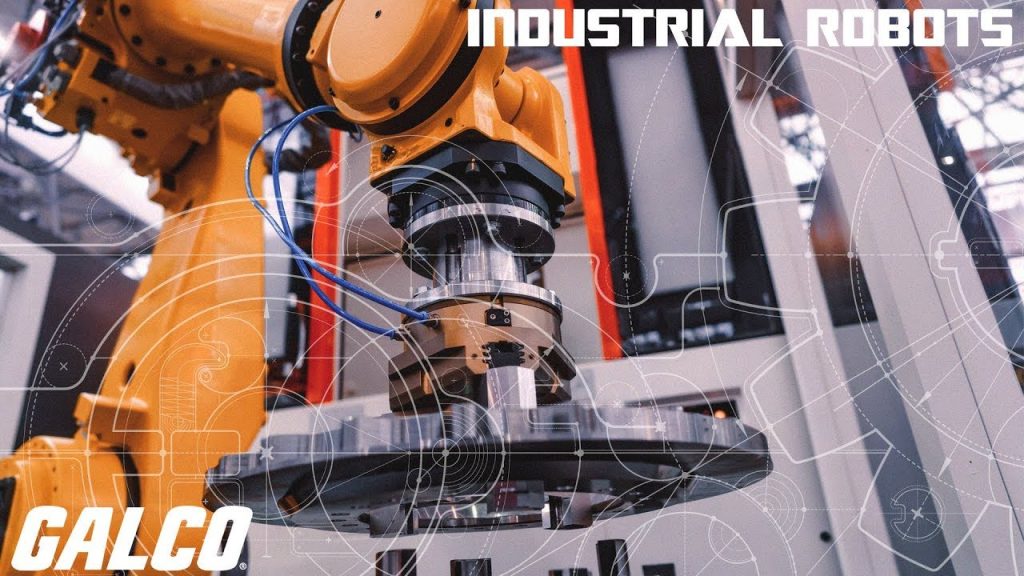
Industrial robots are designed to perform specific tasks in manufacturing and production settings. They are commonly used in industries such as automotive, electronics, and food processing. These robots are capable of performing repetitive tasks with high precision and efficiency, ultimately improving productivity and reducing human labor.
When it comes to industrial robot types, there are several variations available in the market. Each type is designed to cater to specific industry requirements. Some of the commonly used industrial robot types include articulated robots, cartesian robots, delta robots, and SCARA robots. Articulated robots have multiple joints and are highly flexible, making them suitable for various applications. Cartesian robots have linear movements and are often used for pick and place operations. Delta robots are known for their high speed and precision, making them ideal for packaging and assembly tasks. SCARA robots are best suited for applications requiring fast and precise horizontal movements.
To gain a deeper understanding of the anatomy of a robot and the different types of industrial robots, it is highly recommended to watch the accompanying video lecture. The lecture provides in-depth explanations, visual demonstrations, and valuable insights into the world of robotics.
For more information on industrial robot types and to explore further resources, please check the video lecture on robot anatomy. It offers a comprehensive guide to understanding the intricacies of robot joints and their significance in industrial applications.
So, if you are interested in the fascinating world of robotics and want to learn more about industrial robot types and their anatomy, this video lecture is the perfect resource for you. Gain valuable knowledge and insights that can help you excel in this field and stay updated with the latest advancements.
Check out the video lecture on robot anatomy and industrial robot types now to enhance your understanding and expertise in this exciting domain!
Please note: This article is for informational purposes only and does not promote any specific company or product. Industrial Robot
“Exploring Robot Anatomy: Understanding Links, Joints, and Industrial Robot Types”