
Exclusive Interview: Bloomberg Technology Explains the Past, Present, and Future of ROS and the Benefits of Industrial Robots!
Are you curious about the world of robotics and how it is revolutionizing industries? Look no further! In this exclusive interview, Bloomberg Technology takes you on an exciting journey to explore what ROS is, its historical significance, its present applications, and its promising future. We will also delve into the incredible benefits that industrial robots bring to various sectors. So, let’s dive in and discover the fascinating world of ROS and its impact on the robotics industry!
Firstly, let’s unravel the mystery behind ROS. ROS, which stands for Robot Operating System, is an open-source framework that provides a collection of software libraries and tools for developing robot applications. It acts as the backbone for integrating different components of a robot system, allowing seamless communication and collaboration between hardware and software. ROS has become the go-to platform for researchers, developers, and engineers due to its flexibility, efficiency, and extensive community support.
To fully understand the significance of ROS, we must explore its history. ROS was initially developed in 2007 by Willow Garage, a robotics research lab. However, it gained significant traction when it was released as an open-source project in 2009. This move sparked a wave of innovation and collaboration within the robotics community, leading to the rapid advancement of robot capabilities. Since then, ROS has evolved and matured, becoming a pivotal tool for building complex robotic systems across various industries.
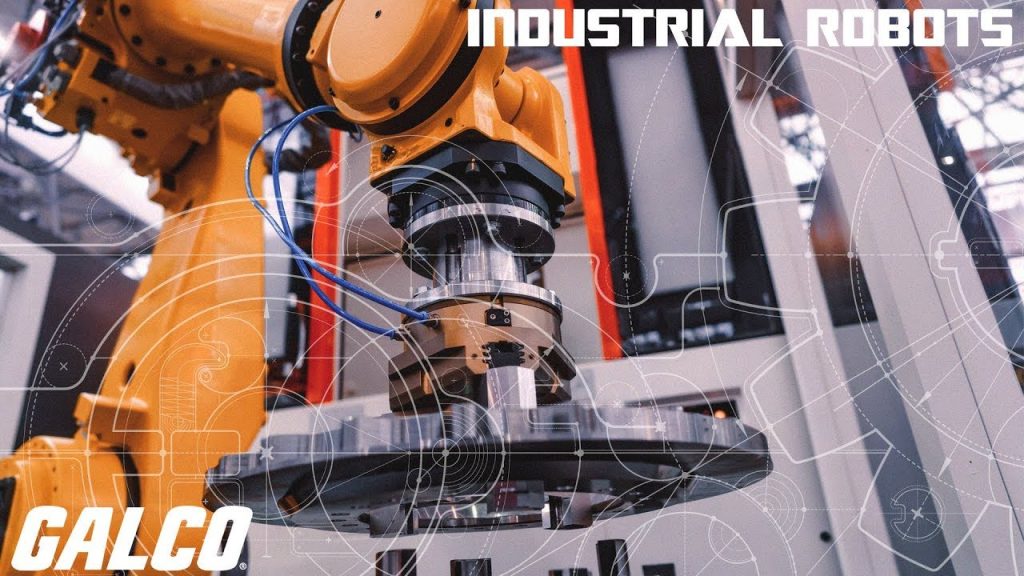
Now, let’s turn our attention to the present applications of ROS. From manufacturing and logistics to healthcare and agriculture, industrial robots powered by ROS are transforming the way we work. These robots excel in repetitive and labor-intensive tasks, enhancing productivity, efficiency, and safety in the workplace. They can perform intricate assembly operations, handle hazardous materials, and even assist in surgical procedures. With ROS, developers have the freedom to create customized applications that cater to specific industry needs, making robots more versatile and adaptable than ever before.
Looking towards the future, ROS continues to shape the robotics landscape. As technology advances, robots equipped with ROS are becoming smarter, more autonomous, and capable of seamlessly collaborating with humans. The integration of artificial intelligence and machine learning algorithms allows robots to learn and adapt to their environment, enabling them to tackle complex tasks with ease. With the continuous development and innovation surrounding ROS, the future of industrial robotics holds immense potential for increased productivity, improved safety, and enhanced human-robot collaboration.
Now, let’s explore the many benefits that industrial robots bring to various industries. The advantages of utilizing industrial robots powered by ROS are vast. Firstly, they significantly enhance productivity by automating repetitive tasks, allowing humans to focus on more complex and creative endeavors. This leads to increased efficiency, reduced errors, and faster production cycles.
Secondly, industrial robots improve workplace safety by taking over dangerous or physically demanding tasks. They can operate in hazardous environments, minimizing the risk of injury to human workers. Additionally, robots equipped with advanced sensors and collision detection systems can ensure safe interactions with humans, fostering a harmonious working environment.
Thirdly, the use of industrial robots results in improved product quality and consistency. Robots, with their precision and accuracy, can achieve higher levels of accuracy and repeatability, minimizing variations and defects in the manufacturing process. This leads to greater customer satisfaction and increased competitiveness in the market.
Lastly, industrial robots contribute to cost savings for businesses. While the initial investment may be significant, the long-term benefits outweigh the costs. Robots can work around the clock without fatigue, reducing labor costs and increasing overall production capacity. Moreover, the use of robots can optimize resource allocation, minimize waste, and streamline processes, leading to improved profitability and return on investment.
In conclusion, the world of robotics is rapidly evolving, and ROS is at the forefront of this revolution. From its historical roots to its present applications and promising future, ROS has become an indispensable tool for developing advanced robotic systems. Industrial robots powered by ROS offer a multitude of benefits, including increased productivity, enhanced safety, improved product quality, and cost savings. With the continuous advancements in ROS and the growing adoption of industrial robots, the possibilities for innovation and transformation across industries are endless.
So, if you’re eager to explore the potential of industrial robots and witness the power of ROS in action, be sure to check out the exclusive interview by Bloomberg Technology. Discover how these incredible machines are reshaping industries and paving the way for a more automated and efficient future.
Check the coil packing solution with leading manufacturers for professional solutions just here. Industrial Robot
Unlocking the Power of ROS: Revolutionizing Robots and Unveiling Industrial Automation Advantages