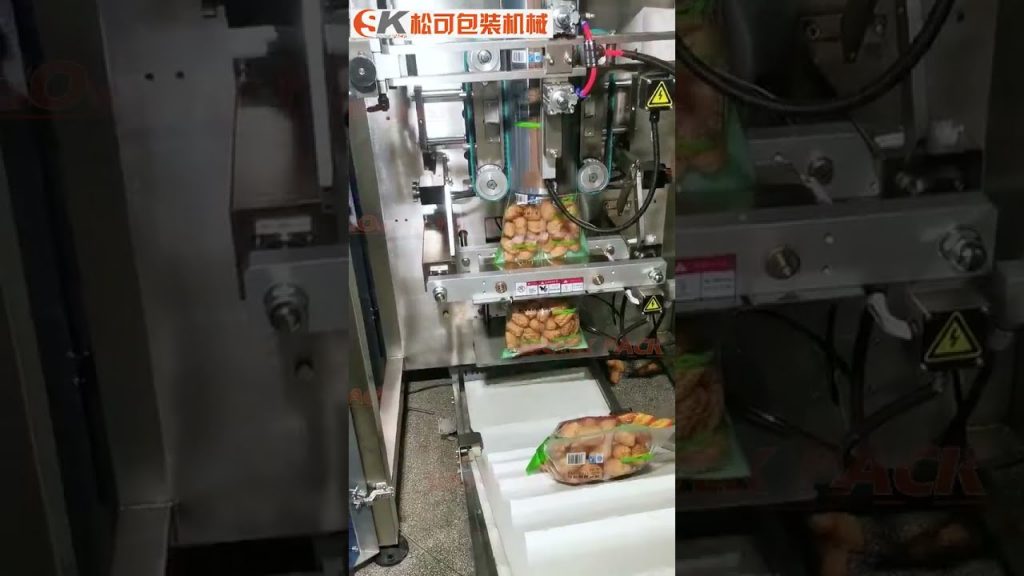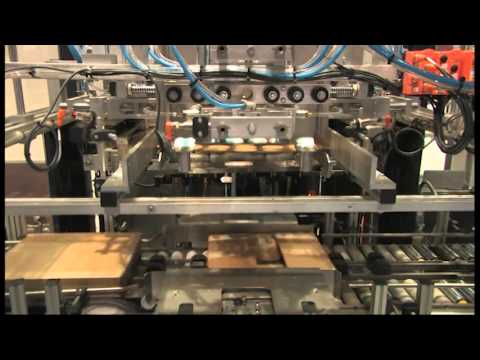

“Check out the coil packing solution with a leading manufacturer for the professional solution right here:”
Looking to extend the shelf life of your products? Gas flush vacuum sealing might just be the answer you’ve been searching for. This innovative technique, also known as Modified Atmosphere Packaging (MAP), is revolutionizing the way products are packed and sealed, ensuring freshness and longevity like never before. In this article, we will delve into the world of packing and sealing systems, exploring how gas flush vacuum sealing works and its benefits for businesses. So, let’s dive in!
Gas flush vacuum sealing is a process that involves replacing the air in a package with a modified gas mixture, typically nitrogen or a combination of nitrogen, carbon dioxide, and oxygen. This technique creates a controlled atmosphere inside the package, effectively slowing down the deterioration process of the product. By removing oxygen and reducing the level of moisture, gas flush vacuum sealing helps to inhibit the growth of bacteria, mold, and other microorganisms that cause spoilage.
So, how does gas flush vacuum sealing actually work? It all starts with a specially designed packing and sealing system. This system consists of a vacuum chamber, gas supply, and a sealing mechanism. The product to be sealed is placed inside the vacuum chamber, and the air is removed using a powerful vacuum pump. Once the desired level of vacuum is achieved, the gas mixture is introduced into the chamber, displacing the remaining air. The sealing mechanism then securely seals the package, ensuring that the modified atmosphere is maintained throughout the product’s shelf life.
The benefits of gas flush vacuum sealing are numerous. Firstly, it significantly extends the shelf life of products, allowing businesses to reduce waste and improve their inventory management. This is particularly advantageous for perishable goods such as food, where freshness and longevity are crucial. Gas flush vacuum sealing also enhances product presentation, as it helps to maintain the original color, texture, and aroma. This is especially important for industries like the food and beverage sector, where visual appeal plays a significant role in consumer purchasing decisions.
Moreover, gas flush vacuum sealing provides an added layer of protection against external factors such as temperature fluctuations and physical damage. By creating a hermetic seal, it prevents the entry of moisture, dust, and contaminants, ensuring that the product remains intact and unaffected by its surroundings. This makes it an ideal packaging solution for delicate and sensitive items, including electronic components, pharmaceuticals, and medical devices.
In addition to its practical benefits, gas flush vacuum sealing also offers environmental advantages. By extending the shelf life of products, it reduces the need for excessive packaging and minimizes food waste. This aligns with the growing global movement towards sustainability and responsible consumption. Furthermore, the use of nitrogen gas in the sealing process eliminates the need for chemical preservatives, making it a healthier and more natural option for consumers.
In conclusion, gas flush vacuum sealing is a game-changer in the world of packaging and sealing systems. Its ability to extend shelf life, preserve product quality, and enhance presentation has made it a preferred choice for businesses across various industries. Whether you’re in the food and beverage sector, electronics manufacturing, or pharmaceuticals, gas flush vacuum sealing can provide the competitive edge you need in today’s market. So, why wait? Explore the possibilities of gas flush vacuum sealing and unlock the potential of your products.
Check out the coil packing solution with a leading manufacturer for the professional solution right here: [Insert relevant link or CTA]. Packing System
“Unveiling the Mechanism Behind Nitrogen Flush Vacuum Sealing: A Comprehensive Guide to Packing and Sealing Systems”