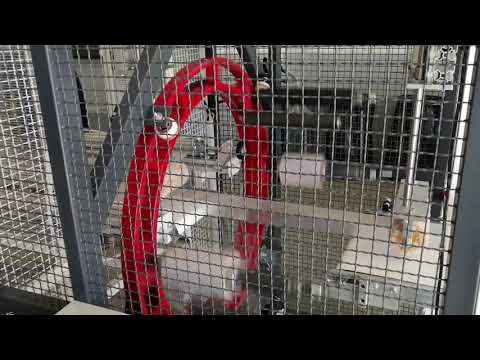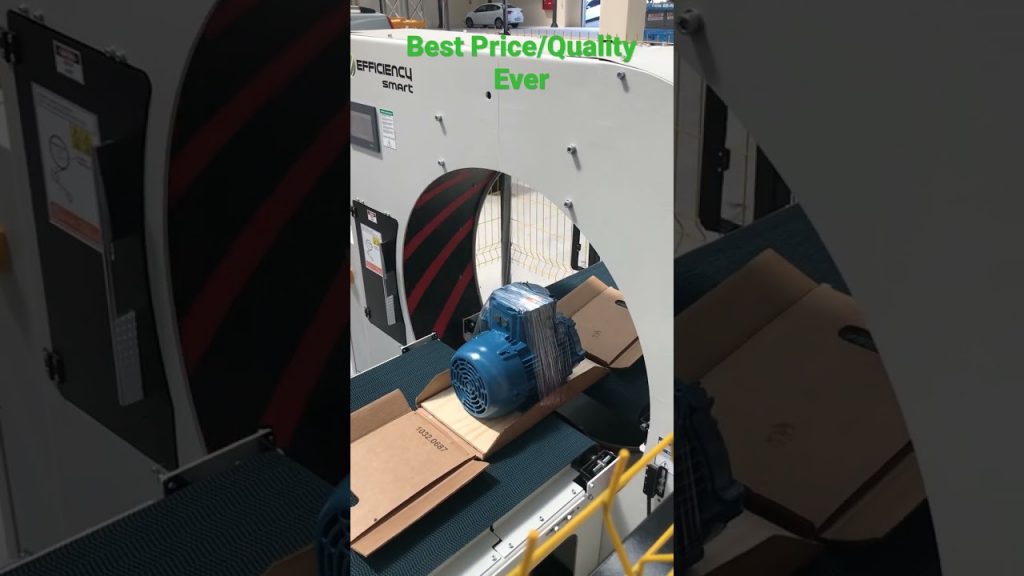

If you’re looking to learn about Orbital Wrapper Basics, you’ve come to the right place. In this article, we will explore the fundamentals of orbital wrapping and its applications in various industries. Whether you’re a sales engineer or simply interested in the topic, this article will provide valuable insights into the world of orbital wrapping.
What is Orbital Wrapper?
Orbital wrapping, also known as stretch wrapping, is a packaging method that involves wrapping a product or a load in a stretch film. The film is stretched around the load and secured in place, providing protection and stability during transportation or storage. This technique is widely used in industries such as manufacturing, logistics, and warehousing.
The Basics of Orbital Wrapper
To understand orbital wrapping, let’s break it down into its basic components and process:
1. Load Placement: The first step is to place the product or load onto the wrapping machine. The machine typically consists of a turntable or conveyor system that allows for easy loading and unloading.
2. Film Attachment: Once the load is in place, the stretch film is attached to the load. This can be done manually or automatically, depending on the type of machine used. The film is then stretched and guided around the load.
3. Wrapping Process: As the load rotates on the turntable or moves along the conveyor, the film is wrapped around it in a spiral motion. The film is stretched as it is applied, ensuring a tight and secure wrap.
4. Film Cutting and Sealing: Once the wrapping is complete, the film is cut and sealed to secure the wrap. This can be done using an automated cutting and sealing mechanism or manually with a separate tool.
5. Load Removal: After the wrapping is finished, the wrapped load is ready for transportation or storage. It can be easily removed from the machine using a forklift or other handling equipment.
Applications of Orbital Wrapper
Orbital wrapping offers several benefits and is widely used in various industries. Here are some common applications:
1. Transportation and Shipping: Orbital wrapping provides protection to products during transportation, preventing damage from moisture, dust, and other external factors. It also improves load stability, reducing the risk of load shifting or toppling during transit.
2. Warehousing: Wrapped loads are easier to stack and store, optimizing the use of warehouse space. The stretch film also acts as a barrier against dust and debris, keeping the products clean and free from contamination.
3. Product Display: In retail environments, orbital wrapping can enhance the presentation of products. The transparent film allows customers to see the product while keeping it secure and tamper-proof.
4. Manufacturing: Orbital wrapping is commonly used in the manufacturing industry to bundle products together or protect delicate components during assembly and transportation.
In conclusion, orbital wrapping is a versatile and efficient packaging method that offers numerous benefits in various industries. From protecting products during transportation to improving load stability and optimizing warehouse space, it is an essential tool for many businesses.
Check the coil packing solution with a leading manufacturer for professional solutions. Contact us today for more information on how orbital wrapping can benefit your business.
Keywords: Orbital Wrapper Basics, stretch wrapping, packaging method, load stability, transportation, warehousing, product display, manufacturing. Orbital Stretch Wrapper
Unveiling the Mind-Blowing Pokémon Card from a Vending Machine! Explore Orbital Wrapper Basics in this Epic #shorts Adventure!