Looking for a professional solution for your coil packing needs? Look no further than the leading manufacturer in the industry. With their expertise and top-notch coil packing solutions, you can ensure efficient and reliable packaging for your products. Check out their wide range of options and find the perfect fit for your packing line operations.
Packaging is an essential aspect of the pharmaceutical industry. It involves the science, art, and technology of enclosing or protecting products for distribution. In the case of pharmaceutical packaging, it plays a crucial role in ensuring the safety, integrity, and efficacy of the medications.
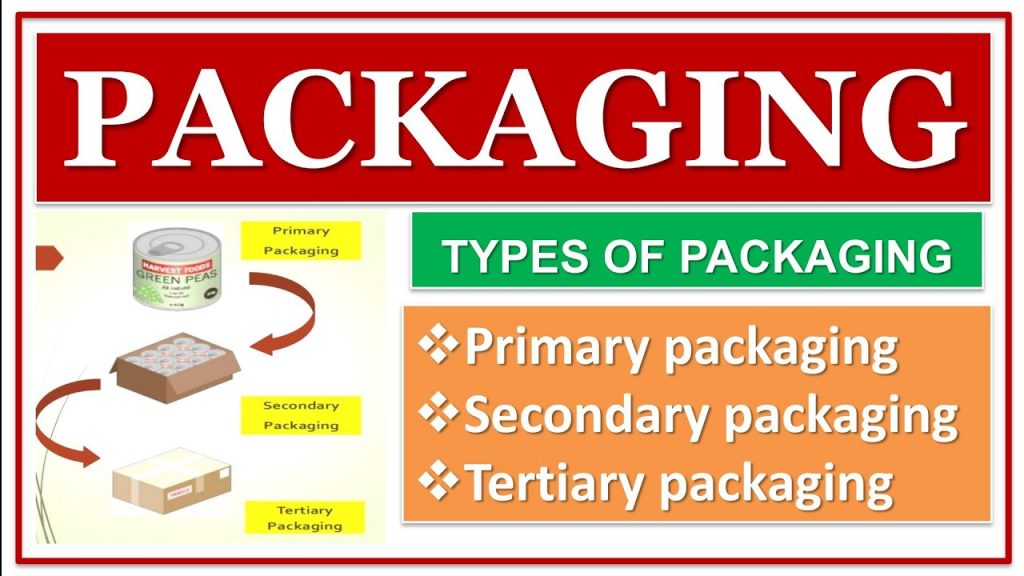
Types of Packaging:
There are various types of packaging used in the pharmaceutical industry, each serving a specific purpose. Some common types include blister packs, bottles, vials, ampoules, and sachets. These different packaging options are designed to provide the necessary protection and convenience for the medications.
Functions of Packaging:
Packaging serves multiple functions in the pharmaceutical industry. Firstly, it acts as a barrier against external factors such as moisture, light, and air, which can degrade the quality of the medications. Secondly, it provides protection during transportation and storage, preventing any damage or contamination. Additionally, packaging serves as a means of identification, with labels containing essential information such as dosage instructions and expiry dates.
Packaging Test:
To ensure the quality and effectiveness of pharmaceutical packaging, rigorous testing is conducted. This includes tests for integrity, compatibility, and stability. These tests assess the packaging’s ability to maintain the medication’s properties and protect it from external influences.
Materials for Packaging:
The choice of materials for pharmaceutical packaging is crucial. Common materials include plastic, glass, and aluminum. Each material offers unique properties that cater to specific medication requirements. For example, glass vials are often used for injectable medications due to their inert nature and ability to withstand sterilization processes.
Packing Line Operations:
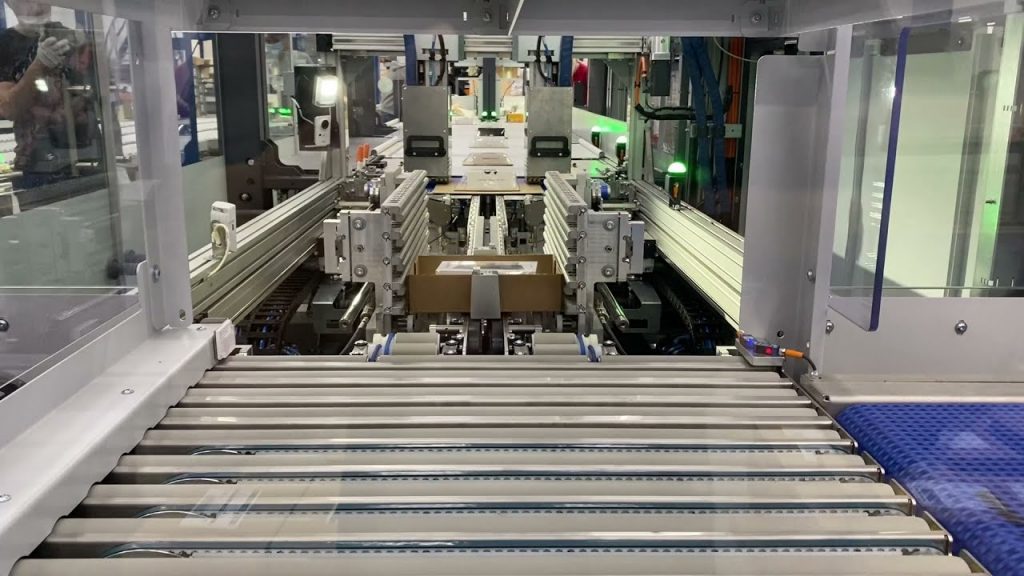
Packing line operations involve the process of packaging pharmaceutical products efficiently and effectively. It includes various stages such as filling, sealing, labeling, and inspecting. These operations require precision and adherence to strict quality standards to ensure the final packaged product meets regulatory requirements.
In conclusion, pharmaceutical packaging plays a vital role in ensuring the safety and efficacy of medications. With the right packing line operations and suitable packaging materials, pharmaceutical companies can deliver their products to customers with confidence. Check out the leading manufacturer’s coil packing solutions for a professional and reliable packaging solution.
Check the coil packing solution with the leading manufacturer for a professional solution right here. Automatic packing line
“Ultimate Guide to Pharmaceutical Packaging: Types, Functions, Testing, Materials, and Packing Line Operations”