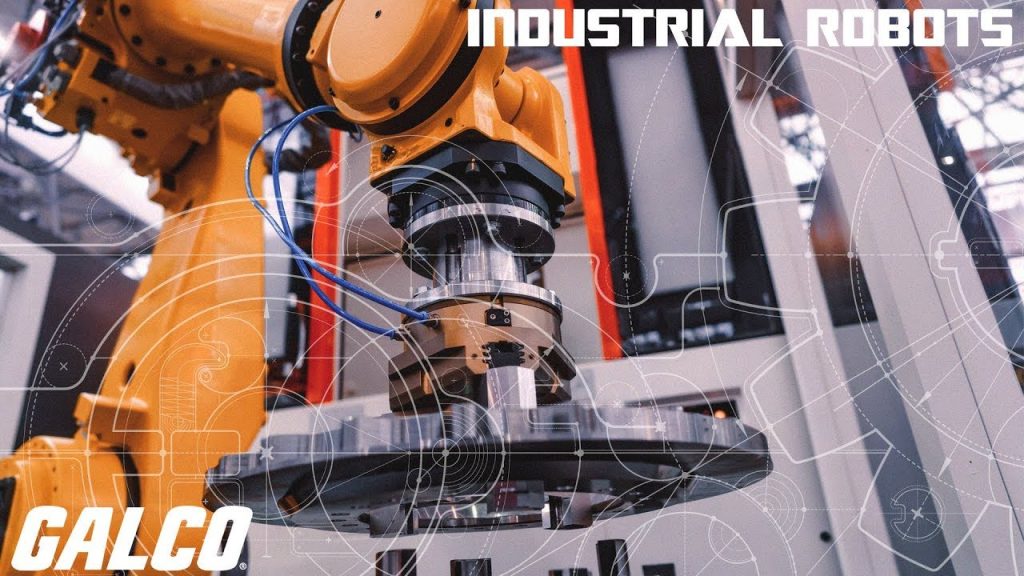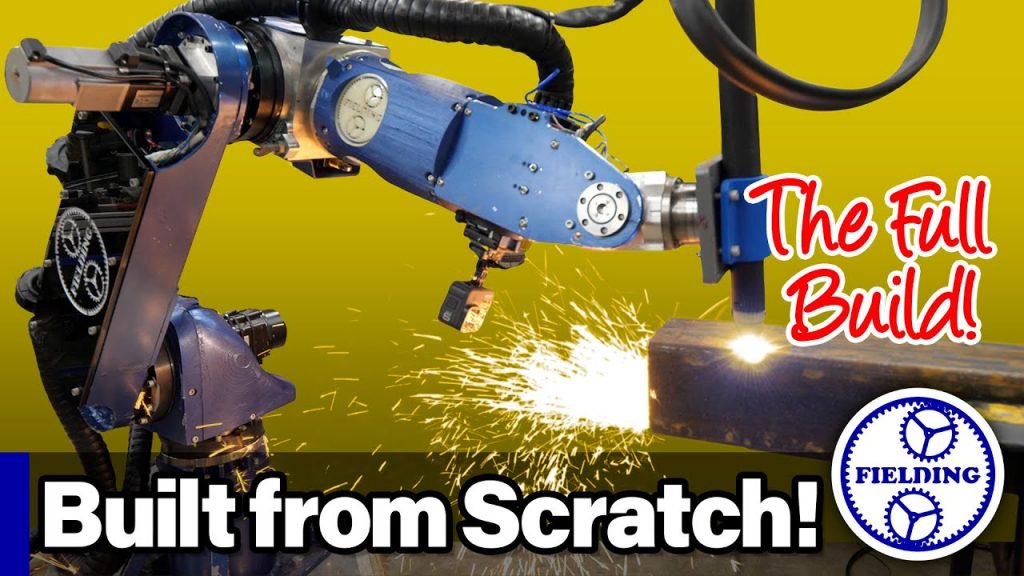

Are you curious about the capabilities of industrial robotic arms? In this video, we will explore the exciting world of industrial robot technology and its application in processing irregularly shaped wood. Whether you are a woodworking enthusiast or simply interested in the latest advancements in robotics, this video will provide valuable insights into the potential of industrial robot arms.
Industrial Robot Technology: Revolutionizing Wood Processing
Industrial robot technology has revolutionized various industries, and the woodworking industry is no exception. With the ability to perform complex tasks with precision and efficiency, industrial robotic arms have become an invaluable asset in wood processing.
Processing irregularly shaped wood has always been a challenge for manufacturers. Traditional methods often require manual labor, which can be time-consuming and prone to errors. However, with the introduction of industrial robot arms, these challenges can be overcome.
The Advantages of Industrial Robot Arms in Wood Processing
1. Increased Precision: Industrial robot arms are equipped with advanced sensors and control systems, allowing them to accurately process irregularly shaped wood. This ensures a higher level of precision and consistency in the final product.
2. Improved Efficiency: With their ability to perform repetitive tasks at a rapid pace, industrial robot arms significantly improve production efficiency. They can handle multiple wood pieces simultaneously, reducing the time required for processing.
3. Enhanced Safety: Industrial robot arms are designed to prioritize safety. They can detect obstacles and adjust their movements accordingly, minimizing the risk of accidents or injuries. This feature is particularly important when handling irregularly shaped wood, which may have unpredictable dimensions.
4. Versatility: Industrial robot arms can be programmed to perform a wide range of tasks, making them highly versatile. From cutting and shaping wood to sanding and finishing, these robots can handle various processes, eliminating the need for multiple specialized machines.
Applications of Industrial Robot Arms in Wood Processing
1. Cutting and Shaping: Industrial robot arms can be programmed to cut and shape irregularly shaped wood pieces with precision. This eliminates the need for manual cutting, ensuring consistent results every time.
2. Sanding and Finishing: Achieving a smooth surface on irregularly shaped wood can be challenging. Industrial robot arms equipped with sanding tools can efficiently sand and finish wood surfaces, resulting in a flawless end product.
3. Assembly: Industrial robot arms can also be utilized in the assembly process. They can pick and place wood components, ensuring accurate alignment and reducing assembly time.
4. Quality Control: Industrial robot arms can be equipped with vision systems and sensors to perform quality control checks. They can identify defects, measure dimensions, and ensure that each wood piece meets the required specifications.
In conclusion, industrial robot arms have revolutionized wood processing by offering increased precision, improved efficiency, enhanced safety, and versatility. Whether it is cutting, shaping, sanding, or assembly, these robots excel in processing irregularly shaped wood. Their advanced technology and capabilities have transformed the woodworking industry, paving the way for more efficient and high-quality production processes.
Check out our video to witness the power of industrial robot technology in wood processing. Discover how these advanced robotic arms are shaping the future of the woodworking industry.
Remember, the future of wood processing lies in the hands of industrial robot arms. Embrace the possibilities and stay ahead of the competition!
Check the video description for more information and resources on industrial robot technology. Subscribe to our channel for more exciting content on the latest advancements in robotics.
#robotarm #robotics #roboticarm #IndustrialRobotTechnology Industrial Robot
“Revolutionizing Woodworking: Exploring the Power of Industrial Robot Processing on Irregular Wood Surfaces”