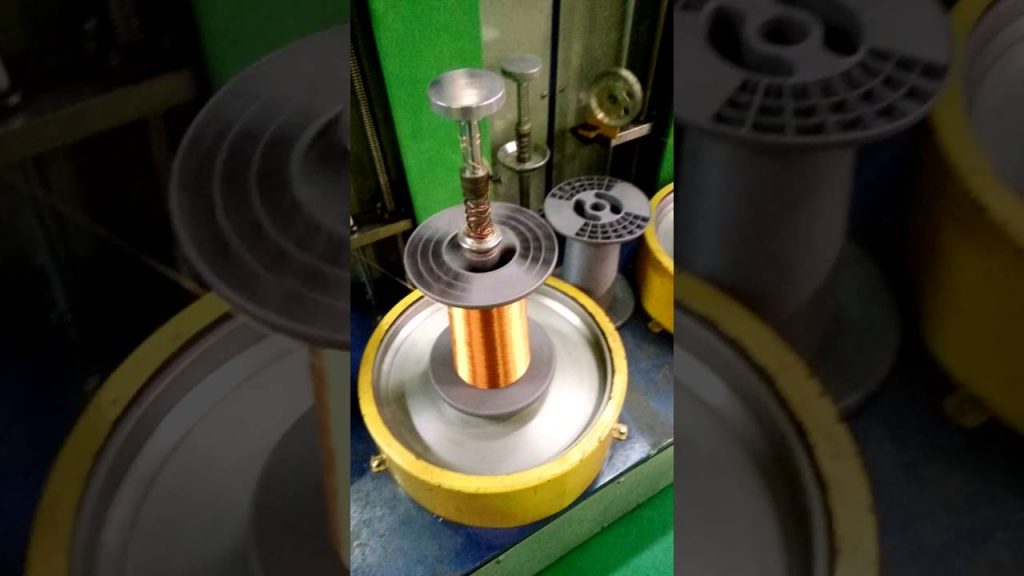
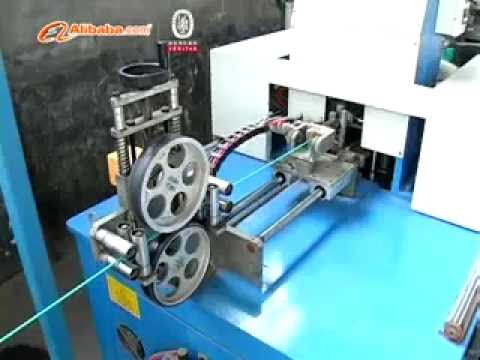
Check out the leading manufacturer for professional coil packing solutions here:
Wire Production in Industry: A Comprehensive Look into the Manufacturing Process
Introduction
In the fast-paced world of industrial manufacturing, wire production plays a crucial role in various applications across multiple industries. From electrical wiring to telecommunications and automotive components, wires and cables are integral to our daily lives. This article delves into the intricacies of wire production in the industry, exploring the manufacturing process and shedding light on the machinery and technology involved.
Wire and Cable Manufacturing Process
Wire production in the industry involves a complex manufacturing process that ensures the creation of high-quality wires and cables. Let’s take a closer look at the step-by-step process involved:
1. Wire Drawing: The first step involves pulling the raw material, usually copper or aluminum, through a series of dies to reduce its diameter. This process elongates the wire and improves its strength.
2. Annealing: After wire drawing, the wires are subjected to an annealing process to improve their ductility and flexibility. This involves heating the wires and then cooling them slowly, reducing any internal stresses.
3. Stranding: In this step, multiple wires are twisted together to create a strand. The number of wires and the twisting pattern depend on the specific requirements of the final product.
4. Insulation Extrusion: The next stage involves applying a protective layer of insulation material, typically PVC (Polyvinyl Chloride), to the wire strands. This insulation provides electrical insulation and mechanical protection.
5. Jacketing: In some applications, an additional protective layer, known as a jacket, is added to the insulated wire. This jacket is typically made of PVC or other materials such as nylon or polyethylene.
6. Cabling: In this step, multiple insulated wires or strands are combined to form a cable. The cables can be twisted together or arranged in a parallel configuration, depending on the intended use.
7. Sheathing: For certain applications that require additional protection, such as underground cables or industrial environments, a protective sheath is applied to the cable. This sheath is usually made of PVC or other materials with high resistance to environmental factors.
The Machinery and Technology Behind Wire Production
To ensure efficient and precise wire production, advanced machinery and technology are employed throughout the manufacturing process. Here are some key components involved:
1. Wire Drawing Machines: These machines use a series of dies to reduce the diameter of the raw material and elongate the wire. Modern wire drawing machines are equipped with computerized controls for enhanced precision.
2. Annealing Furnaces: Annealing furnaces heat the wires to a specific temperature and then cool them slowly, improving their ductility and flexibility. These furnaces often incorporate advanced temperature control systems for precise annealing.
3. Extruders: Extruders are used for insulation and jacketing processes, where molten PVC or other insulating materials are applied to the wires or strands. These machines ensure uniform insulation thickness and adherence.
4. Cabling Machines: Cabling machines bring together multiple wires or strands to form a cable. They can twist the wires together or arrange them in a parallel configuration, depending on the desired cable structure.
5. Sheathing Machines: Sheathing machines apply protective sheaths to cables, enhancing their resistance to environmental factors. These machines ensure uniform sheath thickness and tight adhesion.
Wire Production in Industry: The Impact and Future
The wire production industry plays a pivotal role in various sectors, enabling the transmission of electricity, data, and signals. As technology continues to advance, the demand for high-quality wires and cables will only increase. Here are some key areas where wire production is expected to make a significant impact in the future:
1. Renewable Energy: The growing focus on renewable energy sources, such as wind and solar power, requires the development of specialized cables capable of transmitting electricity efficiently over long distances.
2. Electric Vehicles: The rise of electric vehicles necessitates the production of lightweight and high-performance cables for efficient power transmission and charging infrastructure.
3. Smart Grids: As the world becomes more interconnected, the development of smart grids requires advanced cables capable of transmitting and managing data for efficient energy distribution.
4. Internet of Things (IoT): The proliferation of IoT devices demands the production of miniature and high-speed cables for seamless data transfer and communication.
Conclusion
Wire production in the industry is a complex and vital process that ensures the availability of high-quality wires and cables for various applications. From the initial wire drawing stage to the final sheathing process, advanced machinery and technology are employed to meet the precise requirements of different industries. As technology continues to evolve, the future of wire production holds immense potential for innovation and growth.
Check out the leading manufacturer for professional coil packing solutions here: [Link] Steel wire production line
“Efficient Wire and Cable Manufacturing Process: Unlocking the Secrets of Wire Production in the Industry”