
Welcome to another informative video on CREATIVE GRASPS! In today’s video, we will be discussing the advantages and disadvantages of robots. Before we dive into the topic, let’s take a closer look at the benefits of industrial robots.
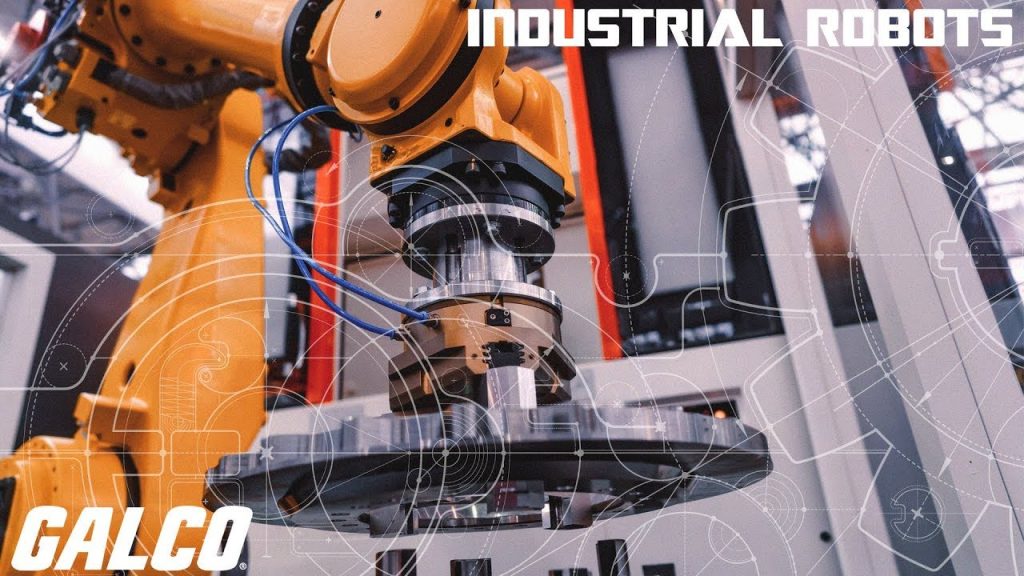
Industrial robots have revolutionized various industries with their efficiency, precision, and speed. These machines offer numerous advantages that enhance productivity and simplify complex tasks. Here are some key benefits of industrial robots:
1. Increased Efficiency: Industrial robots can perform tasks with incredible speed and accuracy, leading to enhanced productivity and reduced production time. With their ability to work non-stop, robots can significantly increase the overall efficiency of manufacturing processes.
2. Improved Safety: By automating hazardous or repetitive tasks, robots eliminate the risk of injury to human workers. They can handle dangerous materials, operate in high-temperature environments, and carry out tasks that may be too physically demanding for humans.
3. Cost Savings: Although the initial investment in industrial robots can be high, they provide long-term cost savings. Robots can work continuously without breaks, reducing labor costs and minimizing human errors. They also require minimal maintenance and have a longer lifespan compared to human employees.
4. Enhanced Quality Control: Robots ensure consistent and precise output, resulting in improved product quality. They can perform repetitive tasks with high accuracy, reducing the chances of defects or errors. This leads to increased customer satisfaction and brand reputation.
5. Flexibility and Adaptability: Industrial robots can be easily reprogrammed to perform different tasks, allowing manufacturers to quickly adapt to changing production requirements. This flexibility enables businesses to stay competitive in a dynamic market.
6. Increased Production Capacity: With the ability to work 24/7, robots can significantly increase production capacity. They can handle heavy workloads and maintain a consistent level of output, even during peak demand periods. This scalability helps businesses meet customer demands efficiently.
7. Competitive Advantage: Implementing industrial robots gives companies a competitive edge in the market. By leveraging the latest automation technology, businesses can streamline their operations, optimize resource utilization, and stay ahead of the competition.
While industrial robots offer numerous advantages, it’s essential to consider the potential drawbacks as well. Here are some disadvantages:
1. High Initial Costs: Acquiring and implementing industrial robots can be expensive, especially for small or medium-sized businesses. The cost of purchasing, installing, and maintaining these machines may require a significant upfront investment.
2. Limited Flexibility: Although industrial robots can be reprogrammed, they may have limitations in performing tasks that require human decision-making or dexterity. Certain complex or delicate operations may still require human intervention.
3. Potential Job Displacement: As robots take over certain tasks, there is a concern about job displacement for human workers. However, it’s important to note that industrial robots often create new job opportunities in areas such as robot programming, maintenance, and supervision.
4. Dependence on Technology: Industrial robots rely on advanced technology, which means any technical glitches or system failures can disrupt production. Businesses must have contingency plans in place to minimize downtime and maintain smooth operations.
5. Lack of Emotional Intelligence: Robots lack emotional intelligence and may struggle with tasks that require empathy or understanding of human emotions. Industries that heavily rely on human interaction, such as customer service, may not benefit from robot automation.
6. Skill Requirements: Operating and maintaining industrial robots require specialized skills and training. Companies may need to invest in employee training programs or hire professionals with robotics expertise.
7. Ethical Considerations: The increasing use of robots raises ethical questions regarding the impact on society, job security, and the potential for misuse or abuse of automation technology. These concerns must be addressed to ensure responsible and ethical implementation.
In conclusion, industrial robots offer numerous advantages, including increased efficiency, improved safety, cost savings, enhanced quality control, flexibility, increased production capacity, and a competitive edge. However, it’s important to consider the potential disadvantages such as high initial costs, limited flexibility, job displacement, and ethical concerns.
If you’re looking for a professional solution for your coil packing needs, be sure to check out leading manufacturers in the industry. They provide innovative and reliable packaging solutions tailored to your specific requirements. Industrial Robot
“Exploring the Pros and Cons of Robots: Unveiling the Advantages and Disadvantages, Plus Insights into the Benefits of Industrial Automation”