Check out our video on the Future of Packing Automation to discover the incredible advancements happening in this field. From burger-flipping machines to car-building robots, the world of automation is rapidly evolving. In this article, we will delve into the topic, providing you with valuable insights and information on the future of packing automation.
The COVID-19 pandemic has accelerated the adoption of automation across various industries. As companies strive to minimize human contact and ensure operational efficiency, packing automation has emerged as a key solution. By automating packaging processes, businesses can streamline operations, reduce costs, and enhance productivity.
In recent years, we have witnessed a surge in the development and implementation of advanced technologies in the field of packing automation. Robots equipped with artificial intelligence and machine learning capabilities are revolutionizing the packaging industry. These intelligent machines can perform complex tasks with precision and speed, leading to increased efficiency and improved product quality.
One of the key drivers of the future of packing automation is the rising demand for customization. Consumers now expect personalized products, and automation enables manufacturers to meet these expectations. Advanced software systems can analyze customer preferences and create customized packaging solutions, catering to individual needs and preferences.
Moreover, automation in packing can significantly reduce the risk of errors and inconsistencies. By eliminating human involvement in repetitive tasks, the chances of mistakes are minimized. This ensures that each product is packaged accurately and consistently, enhancing customer satisfaction and brand reputation.
The future of packing automation also holds immense potential for sustainability. With growing concerns about environmental impact, companies are actively seeking ways to reduce packaging waste. Automated systems can optimize packaging materials, minimizing waste and reducing the carbon footprint. Additionally, these systems can facilitate the use of eco-friendly materials, further contributing to sustainability efforts.
The COVID-19 pandemic has further highlighted the importance of automation in ensuring business continuity. With the implementation of social distancing measures and safety protocols, companies need to rethink their packaging processes. Automation allows for remote operation and monitoring, minimizing the need for physical presence on the production floor. This not only ensures the safety of workers but also provides flexibility in managing operations.
As we look towards the future, it is clear that packing automation will continue to evolve and reshape the industry. The integration of advanced technologies such as robotics, artificial intelligence, and machine learning will drive innovation and efficiency. Companies that embrace these technologies will gain a competitive edge, delivering superior products and services to their customers.
In conclusion, the future of packing automation is promising and transformative. From improving operational efficiency and reducing costs to enhancing sustainability and meeting consumer demands, automation offers a wide range of benefits. As we navigate through the challenges of the COVID-19 pandemic and beyond, embracing automation will be crucial for businesses to thrive in the ever-changing landscape of the packaging industry.
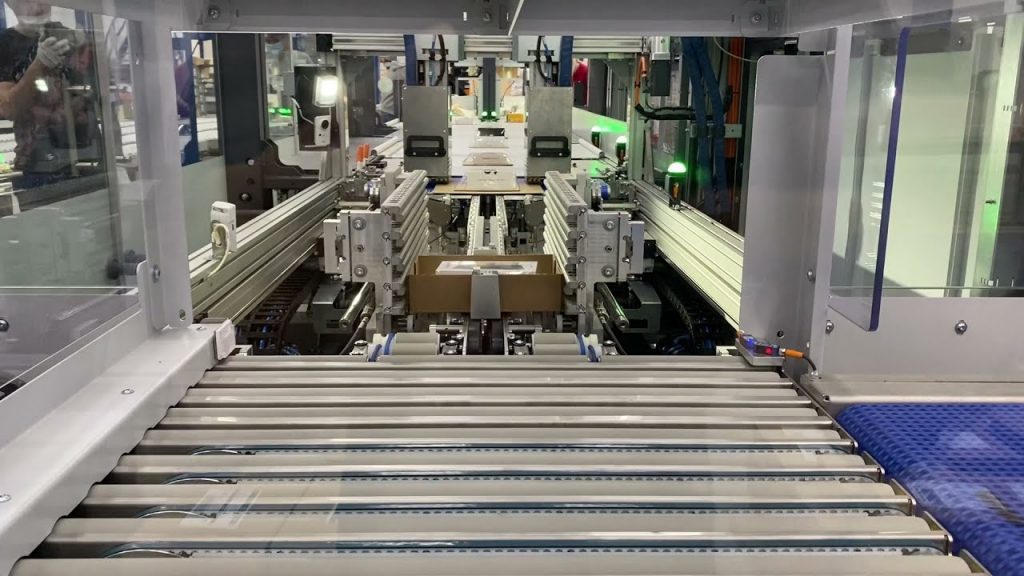
Check out the video above to learn more about the future of packing automation and discover how it can revolutionize your business. Automatic packing line
“The Impact of Coronavirus on Automation and Job Prospects: A Look into the Future of Packing Automation”