
Check out our website for the best packing automation solutions: [Website URL]
Title: The Future of Packing Automation: Revolutionizing Online Deliveries
Introduction:
In today’s fast-paced world, online shopping has become an integral part of our lives. With the convenience of a few clicks, we can purchase anything and have it delivered right to our doorstep. However, this growing trend has led to a significant challenge for delivery services – the rising number of packages needing delivery. To overcome this hurdle, the future of packing automation holds immense promise. In this article, we will explore the potential of packing automation and its impact on the future of online deliveries.
Opinion/Thought Piece Style
As a sales engineer in the logistics industry, I have witnessed firsthand the challenges faced by delivery services due to the increasing demand for online shopping. The traditional manual packing process is not equipped to handle the surging volume of packages efficiently. This is where the future of packing automation steps in to revolutionize the entire delivery process.
The Rise of Packing Automation:
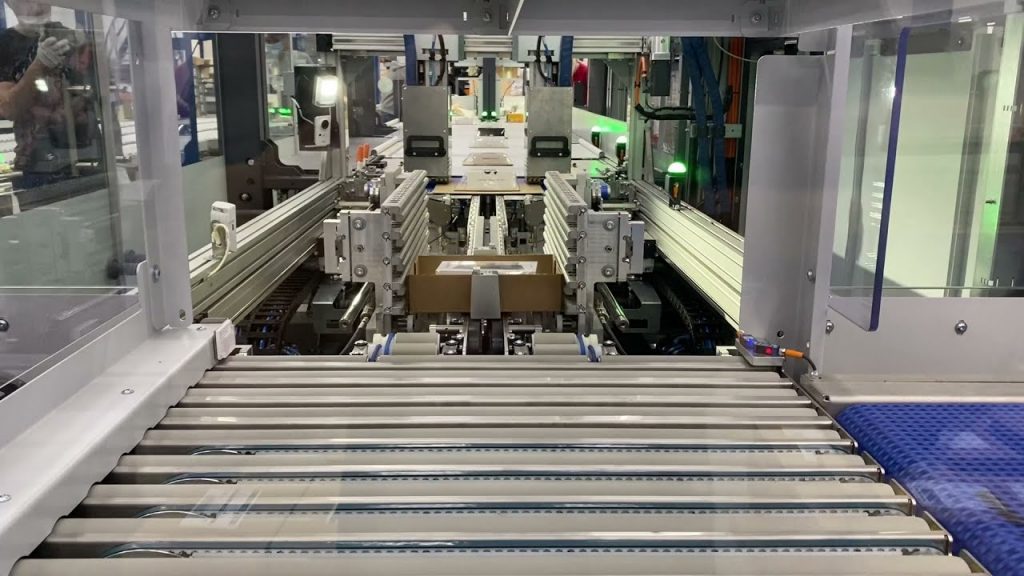
Packing automation refers to the use of advanced technology and robotics to streamline the packaging process. Automated systems can sort, package, and label products at a much faster pace than human workers. This not only increases productivity but also ensures accuracy and reduces the risk of errors. With the ability to handle a large volume of packages, packing automation presents a viable solution to the growing problem of online deliveries.
Benefits of Packing Automation:
The implementation of packing automation brings numerous benefits to the delivery industry. Firstly, it significantly reduces the time required for packaging, allowing delivery services to meet the ever-increasing customer demands. Faster packaging also translates to quicker dispatch and delivery, resulting in improved customer satisfaction.
Moreover, packing automation eliminates the reliance on manual labor for repetitive and monotonous tasks. This frees up human resources to focus on more complex and value-added activities, such as customer service and problem-solving. By automating packaging processes, companies can optimize their workforce and increase overall operational efficiency.
In recent years, the use of robots in the delivery industry has gained significant traction. Fully automated deliveries via robots are becoming a reality, thanks to advancements in artificial intelligence and robotics. These autonomous robots can navigate through streets and deliver packages to customers’ doorsteps, reducing the need for human involvement in the last-mile delivery process. This not only enhances efficiency but also minimizes the risk of human error or delays.
The Future of Packing Automation:
Looking ahead, the future of packing automation seems incredibly promising. The integration of artificial intelligence and machine learning algorithms will enable automated systems to adapt and learn from real-time data, further enhancing their efficiency and accuracy. This will result in even faster and more precise packaging and delivery processes.
Furthermore, advancements in sensor technology and connectivity will enable real-time tracking and monitoring of packages throughout the entire delivery journey. This level of transparency and visibility will not only provide customers with peace of mind but also help delivery services optimize their routes and schedules for maximum efficiency.
Conclusion:
The future of packing automation holds immense potential for revolutionizing the online delivery industry. With the ability to handle the rising number of packages efficiently, packing automation ensures faster delivery, improved customer satisfaction, and optimized operational processes. As we embrace this technological advancement, we can expect a seamless and hassle-free online shopping experience for years to come.
Check out our website for the best packing automation solutions: [Website URL] Automatic packing line
“A Glimpse into the Future: Fully Automated Deliveries via Robots and the Evolution of Packing Automation”