
Check out the top-notch coil packing solution with the leading manufacturer for the most professional solution right here:
Title: Exploring the Advancements in Industrial Automation: A Comprehensive Guide
Introduction:
In today’s rapidly evolving industrial landscape, the role of automation has become crucial for enhancing productivity, efficiency, and safety. Industrial automation systems have revolutionized various industries by streamlining processes, reducing human intervention, and optimizing overall operations. This YouTube video will delve into the world of Industrial Automation, providing valuable insights into its architecture, applications, and benefits.
Section 1: Understanding Industrial Automation
Industrial Automation refers to the use of advanced technologies and control systems to automate industrial processes and machinery. These systems integrate hardware, software, and communication protocols to ensure seamless operations across different stages of production. By replacing manual labor with automated systems, businesses can achieve higher accuracy, consistency, and speed while minimizing errors and downtime.
Section 2: Architecture of Industrial Automation Systems
2.1. Sensors and Actuators
Industrial Automation systems rely on sensors to gather real-time data from the production environment. These sensors detect various parameters such as temperature, pressure, humidity, speed, and position, enabling precise control and monitoring. Actuators, on the other hand, are responsible for executing specific actions based on the received signals. They convert electrical signals into mechanical motion, enabling precise control over machinery and equipment.
2.2. Programmable Logic Controllers (PLCs)
PLCs serve as the brain of Industrial Automation systems. These specialized computers are designed to control and monitor the functioning of machines and processes. PLCs can execute complex logic operations, process inputs from sensors, and generate outputs to actuators. They play a crucial role in automating industrial processes, ensuring efficient and reliable operations.
2.3. Human-Machine Interface (HMI)
To interact with Industrial Automation systems, operators require a user-friendly interface known as HMI. HMIs provide a graphical representation of the automated systems, allowing operators to monitor real-time data, change settings, and receive alerts or notifications. With intuitive interfaces, HMIs empower operators to control and optimize industrial processes effectively.
Section 3: Applications of Industrial Automation
Industrial Automation finds applications across diverse industries, revolutionizing manufacturing, packaging, logistics, and many other sectors. Some key applications include:
3.1. Manufacturing Automation
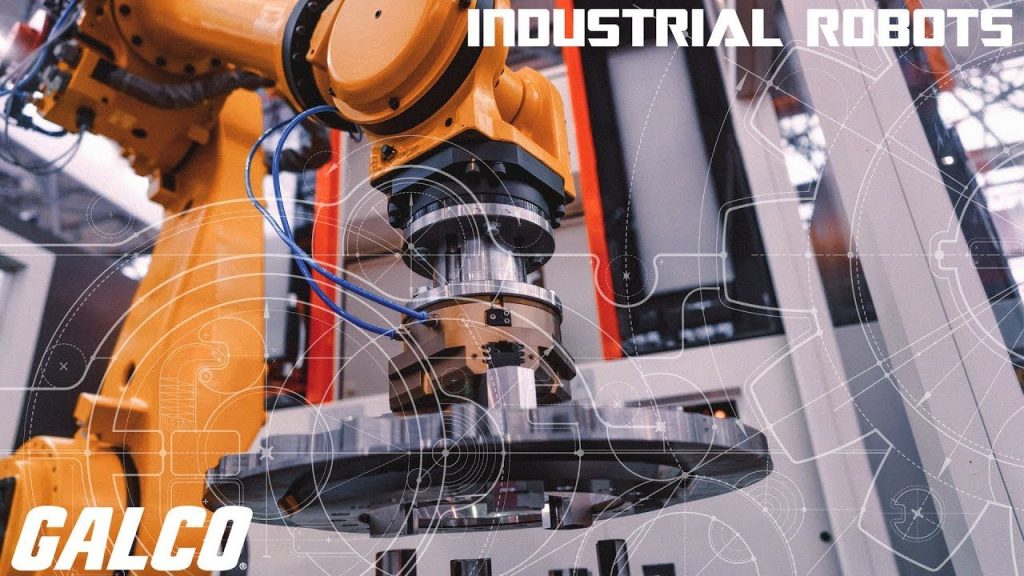
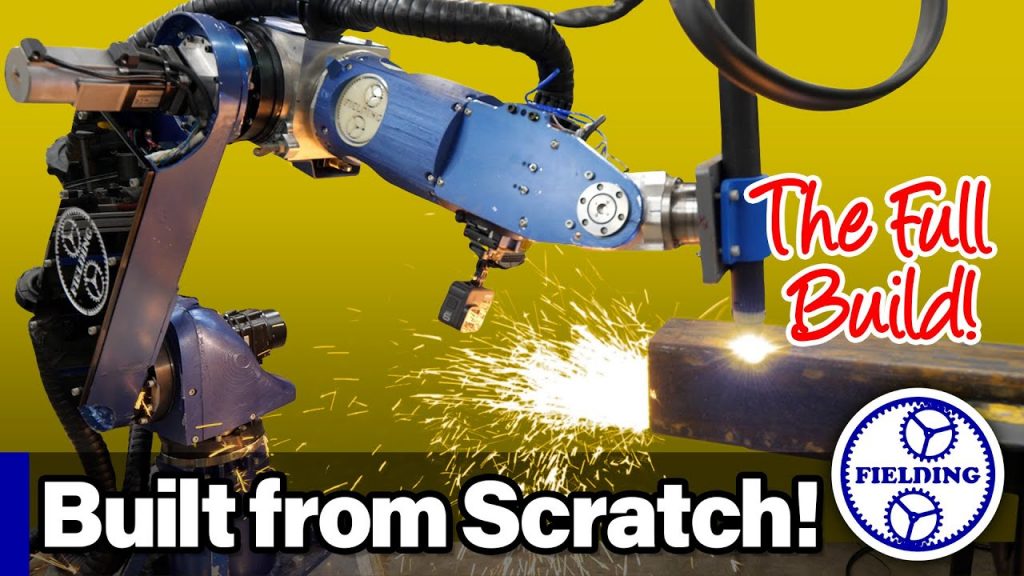
Automated assembly lines and robotic systems have transformed the manufacturing sector, enabling high-volume production with minimal errors. Industrial robots equipped with advanced sensors and actuators can perform complex tasks, reducing labor costs and enhancing product quality.
3.2. Packaging Automation
Automation in packaging processes ensures efficient and precise packaging of products, reducing human errors and increasing throughput. Automated systems can handle various packaging tasks, such as filling, labeling, sealing, and palletizing, with minimal human intervention.
3.3. Logistics Automation
Industrial Automation plays a vital role in optimizing logistics operations, including inventory management, order fulfillment, and warehouse operations. Automated systems, such as conveyor belts, automated guided vehicles (AGVs), and robotic arms, streamline material handling processes, reducing lead times and enhancing overall efficiency.
Section 4: Benefits of Industrial Automation
4.1. Increased Productivity
By automating repetitive tasks, Industrial Automation systems significantly improve productivity. These systems operate at high speeds and precision, reducing cycle times and increasing output. Moreover, automation eliminates the risk of human errors, ensuring consistent quality and reducing rework.
4.2. Enhanced Safety
Automation eliminates the need for human operators to perform potentially hazardous tasks. This significantly reduces the risk of injuries and accidents in industrial environments. By deploying robots and automated systems, businesses can prioritize employee safety and create a secure work environment.
4.3. Cost Savings
Industrial Automation systems help businesses reduce labor costs, optimize energy consumption, and minimize material wastage. Automated processes operate with higher efficiency, reducing operational costs and maximizing profits in the long run.
Conclusion:
Industrial Automation has revolutionized the way industries operate, offering unprecedented levels of efficiency, productivity, and safety. By leveraging advanced technologies and control systems, businesses can unlock new opportunities for growth and sustainability. Embracing Industrial Automation is the key to staying competitive in today’s dynamic market. So, don’t miss out on the leading manufacturer’s cutting-edge coil packing solution – watch the YouTube video now! Industrial Robot
“Streamlining Efficiency: Unveiling the Architecture of Industrial Automation Systems and Revolutionizing Industrial Automation”