If you are looking for a comprehensive guide on Wire Production Line Operations, you have come to the right place. In this article, we will explore the ins and outs of wire production, focusing on the operations involved in a wire production line. Whether you are a sales engineer, a wire production line operator, or simply someone interested in the manufacturing process, this article will provide you with valuable insights.
Wire production is a crucial part of various industries, including telecommunications, automotive, construction, and electronics. From electrical wiring to cables and connectors, wires play a pivotal role in connecting devices and enabling the transfer of information and power.
To understand wire production line operations, it is essential to first grasp the basic steps involved in the manufacturing process. The production of wires typically begins with the selection of raw materials, which can include copper, aluminum, steel, or other conductive materials. These raw materials are then transformed into wire rods through a process called wire drawing.
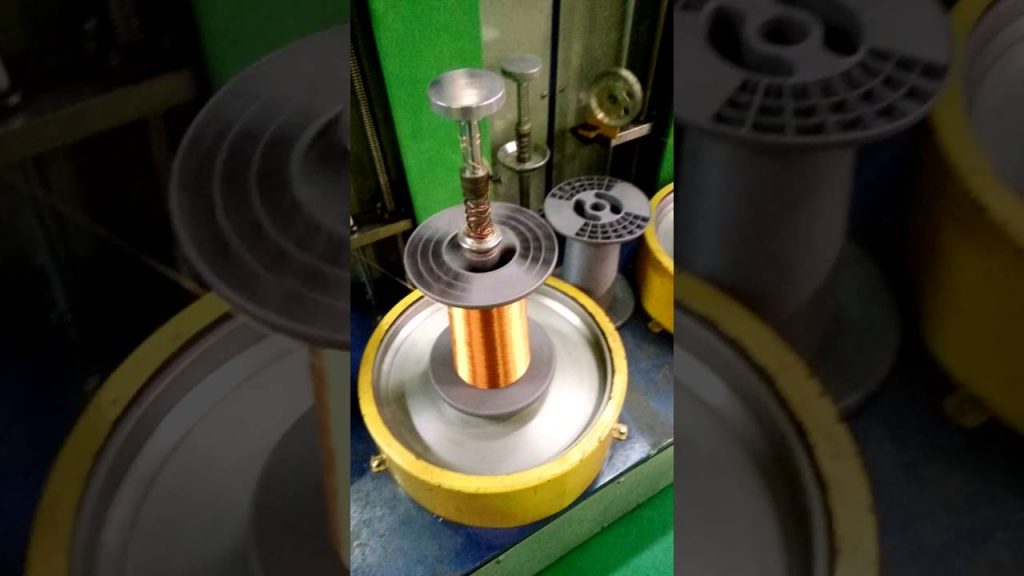
Wire drawing involves pulling the wire rod through a series of dies, gradually reducing its diameter and increasing its length. This process helps to refine the wire’s surface finish and mechanical properties. Once the desired wire diameter is achieved, the wire is typically wound onto a spool for further processing.
The next step in wire production line operations is wire annealing. Annealing is a heat treatment process that helps to improve the wire’s ductility and reduce its hardness. This process involves heating the wire to a specific temperature and then slowly cooling it down. Annealing also helps to remove any residual stresses in the wire, making it more pliable and easier to work with.
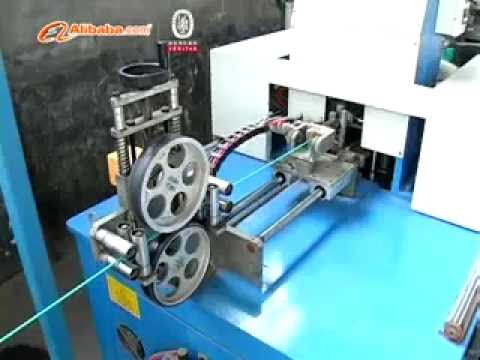
After annealing, the wire may undergo additional processes such as coating, stranding, or twisting, depending on its intended application. Coating can provide the wire with insulation or corrosion resistance, while stranding and twisting help to enhance its strength and flexibility.
Once the wire has been processed and prepared, it is time for quality control checks. These checks ensure that the wire meets the required specifications and standards. Various tests, such as tensile strength, conductivity, and diameter measurements, are conducted to verify the wire’s quality.
Finally, the wire is packaged and prepared for shipment. This involves coiling the wire onto spools or reels, which are then securely packaged to prevent any damage during transportation. Proper packaging is crucial to ensure that the wire reaches its destination in optimal condition.
In conclusion, wire production line operations involve a series of steps, from wire drawing to annealing, coating, and quality control checks. Each process plays a vital role in producing high-quality wires that meet industry standards. Understanding these operations is essential for anyone involved in the wire production industry.
If you are looking for a professional and reliable coil packing solution for your wire production line, look no further. We provide leading packaging solutions that are specifically designed to meet the unique requirements of the wire industry. With our expertise and experience, we can help you streamline your packaging process and ensure that your wires are protected during transportation.
Check out our range of coil packing solutions today and discover how we can help you optimize your wire production line operations. Steel wire production line
“Efficient Production Procedure and Operations of Reversible USB Cables: Streamlining Wire Manufacturing for Improved Connectivity”