
Check out the leading manufacturer for professional coil packing solutions here:
Efforts to Maximize Throughput Driving Automation and Digitization in Pharmaceutical Manufacturing
In the fast-paced world of pharmaceutical manufacturing, the race to maximize throughput has become a top priority. As pharmaceutical companies strive to meet increasing demand and stay competitive in the market, automation and digitization have emerged as key solutions. In this YouTube video article, we will explore the future of packing automation in the pharmaceutical industry and how it is shaping the future of manufacturing.
The pharmaceutical industry is constantly evolving, with new drugs and therapies being developed and introduced. With this rapid growth, the need for increased production and packaging efficiency has become essential. Companies are now turning to automation and digitization to streamline their manufacturing processes and meet the growing demand.
Automation in pharmaceutical manufacturing involves the use of advanced technologies and machinery to perform tasks that were previously done manually. By automating processes such as packaging, labeling, and quality control, companies can significantly increase their production rates while minimizing errors and reducing costs.
Digitization, on the other hand, focuses on the integration of digital technologies and data analytics into the manufacturing process. By collecting and analyzing data from various sources, companies can gain valuable insights into their operations and make informed decisions to optimize efficiency and productivity.
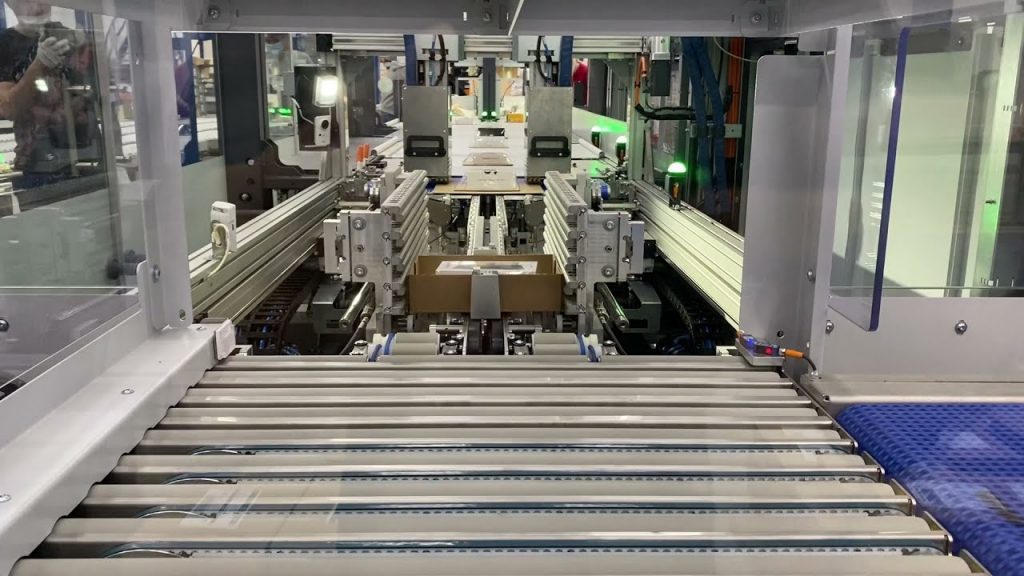
One of the key areas where automation and digitization are making a significant impact is in packing automation. Traditionally, packing pharmaceutical products involved manual labor, which was time-consuming and prone to errors. However, with the advent of advanced packaging machines and robotics, companies can now automate the entire packing process, from sorting and labeling to sealing and palletizing.
This automation not only speeds up the packing process but also ensures accuracy and consistency, leading to higher quality products. Additionally, automated packing machines can handle a wide range of packaging formats and sizes, allowing for greater flexibility and adaptability in the manufacturing process.
The future of packing automation in the pharmaceutical industry looks promising. Advancements in technology, such as the Internet of Things (IoT) and artificial intelligence (AI), are further enhancing automation capabilities. IoT-enabled machines can communicate with each other and with the central control system, enabling real-time monitoring and optimization of the packing process.
AI-powered algorithms can analyze vast amounts of data and make predictive recommendations, helping companies identify potential bottlenecks or inefficiencies in their packing operations. This proactive approach allows for proactive maintenance and continuous improvement, ensuring smooth and uninterrupted production.
As the pharmaceutical industry continues to evolve, it is clear that automation and digitization will play a crucial role in driving efficiency and productivity. Companies that embrace these technologies will be better equipped to meet the increasing demands of the market and stay ahead of the competition.
In conclusion, the future of packing automation in the pharmaceutical industry is bright. Efforts to maximize throughput are driving investments in automation and digitization, revolutionizing the way pharmaceutical products are packaged. By embracing these technologies, companies can streamline their manufacturing processes, increase productivity, and deliver high-quality products to meet the growing demand. The future is automated, and the possibilities are endless.
Check out the leading manufacturer for professional coil packing solutions here: Automatic packing line
“Revolutionizing Pharmaceutical Manufacturing: The Future of Automation and Packing Trends”