
Welcome to our YouTube video on work envelope geometry and industrial robot types. In this article, we will explore the concept of work envelope geometry and how it relates to different types of industrial robots. Whether you are new to the field of robotics or a seasoned professional, this video will provide valuable insights into the fascinating world of industrial automation.
Before we delve into the specifics, let’s first define what work envelope geometry means in the context of robotics. Work envelope refers to the physical space within which a robot can operate. It is determined by the reach and mobility of the robot’s arm or end effector. Work envelope geometry, therefore, involves understanding the size, shape, and limitations of this operating space.
Industrial robots come in various types, each designed for specific tasks and applications. Understanding these different types can help you choose the right robot for your specific needs. Let’s take a closer look at some common industrial robot types:
1. Cartesian Robots: These robots have three linear joints that allow movement along the X, Y, and Z axes. They are known for their precise and accurate movements, making them ideal for applications that require high precision.
2. SCARA Robots: SCARA stands for Selective Compliance Assembly Robot Arm. These robots have a vertical arm that can move in a horizontal plane. They are commonly used in assembly and material handling tasks.
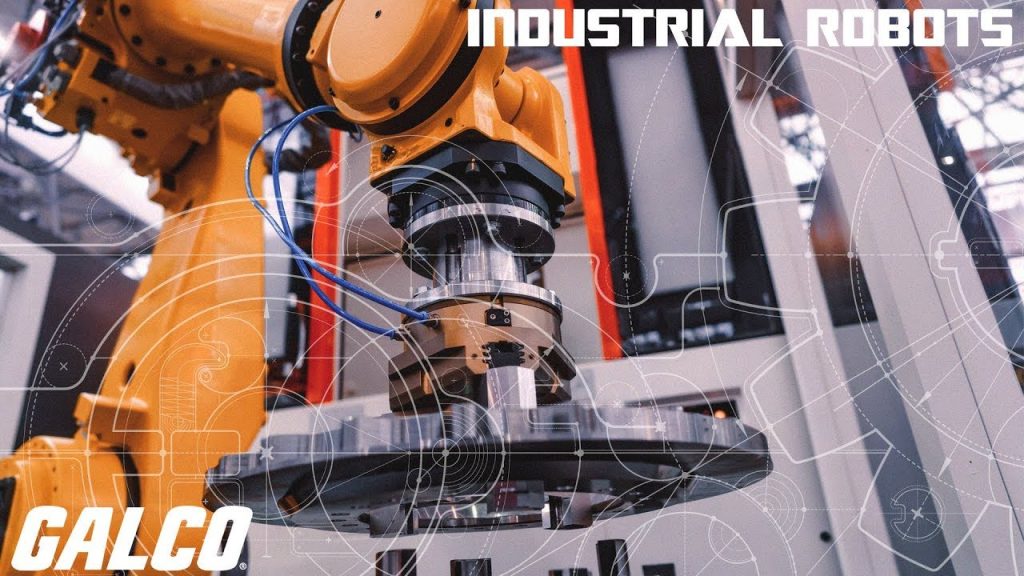
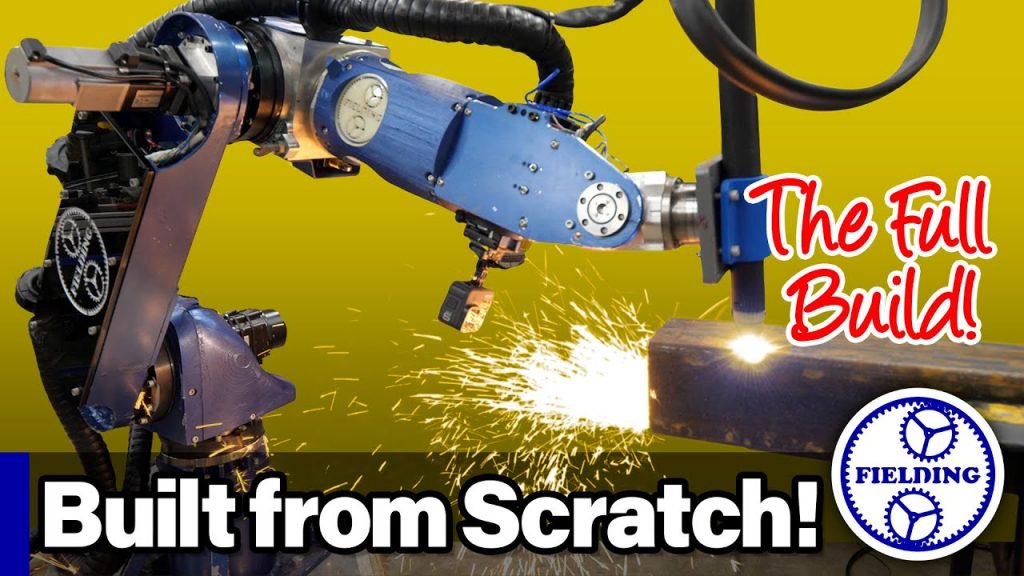
3. Articulated Robots: Articulated robots have multiple rotary joints, which enable them to mimic the movements of a human arm. They are highly versatile and can be used in a wide range of applications, such as welding, painting, and pick-and-place operations.
4. Delta Robots: Delta robots are known for their high-speed and precision. They consist of multiple arms connected to a central base, allowing them to perform tasks quickly and accurately. They are commonly used in packaging and assembly operations.
5. Collaborative Robots: Also known as cobots, collaborative robots are designed to work alongside humans. They have built-in safety features that allow them to operate in close proximity to humans without causing any harm. Cobots are particularly useful in tasks that require human-robot collaboration, such as assembly and inspection.
Now that we have explored the different types of industrial robots, let’s discuss how work envelope geometry plays a crucial role in determining the suitability of a robot for a given task. The size and shape of the work envelope need to be considered to ensure that the robot can reach all the necessary points in the workspace. Factors such as reach, payload capacity, and joint limitations need to be taken into account during the robot selection process.
In addition to understanding the work envelope geometry, it is also important to consider other factors, such as the speed and accuracy requirements of the application, the environment in which the robot will operate, and any safety considerations. These factors will help determine the most suitable robot type for your specific needs.
In conclusion, work envelope geometry is a critical aspect of industrial robotics. By understanding the different types of industrial robots and their respective work envelopes, you can make informed decisions when it comes to selecting the right robot for your application. Remember to consider factors like reach, payload capacity, and joint limitations to ensure optimal performance.
Check out our selection of industrial robots and consult with our experts for the professional solution you need. We are committed to providing cutting-edge automation solutions tailored to your specific requirements. Together, let’s revolutionize your industry with the power of industrial robotics. Industrial Robot
“Exploring Industrial Robotics: An Overview of Different Types and Applications”