
Check out the leading manufacturer for professional coil packing solutions here:
Have you ever wondered what steam, electricity, automation, and digital technology have in common? These innovations have been the driving force behind the industrial revolution, transforming the way we produce goods and revolutionizing various industries. In this YouTube video article, we will explore the fascinating connection between these elements and delve into the role of Industrial Automation in shaping the future of manufacturing.
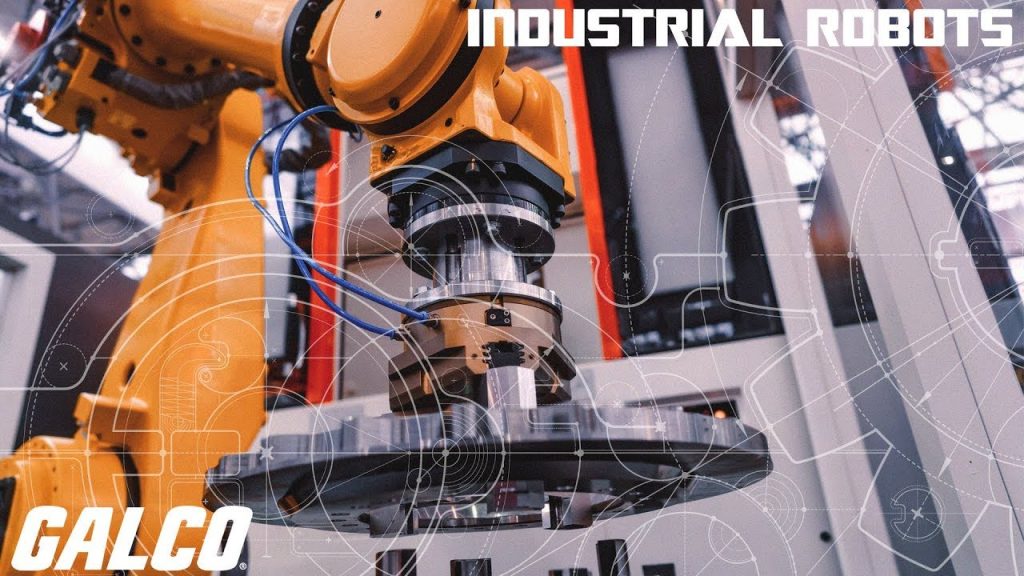
Industrial Automation has become an integral part of modern factories and production facilities. It involves the use of advanced technologies and systems to control and monitor industrial processes, reducing human intervention and increasing efficiency. By automating repetitive tasks, companies can achieve higher productivity, improved quality, and reduced costs.
One of the key factors that have fueled the growth of Industrial Automation is the development of steam power. Steam engines powered the industrial revolution, allowing factories to harness the power of steam to drive machinery and equipment. This breakthrough not only increased the scale of production but also paved the way for the mechanization of various manufacturing processes.
The next major milestone was the discovery and utilization of electricity. With the advent of electricity, factories could now power their machines and equipment more efficiently, without relying on bulky and cumbersome steam engines. Electric motors brought about a new era of automation, allowing for precise control and faster operation of machinery. This breakthrough marked the beginning of the era of electrification and automation.
Fast forward to the digital age, and we witness yet another revolution in industrial manufacturing. The integration of digital technology with automation has given rise to what is known as Industry 4.0 or the Fourth Industrial Revolution. This new wave of automation leverages the power of digital connectivity, data analytics, and artificial intelligence to create smart factories that are capable of self-optimization and autonomous decision-making.
Industrial Automation has transformed various industries, including automotive, aerospace, pharmaceuticals, food processing, and many others. It has enabled companies to streamline their operations, improve product quality, and meet the ever-increasing demands of consumers. From robotic assembly lines to computer-controlled machining, automation has become the backbone of modern manufacturing.
With the rapid advancements in technology, Industrial Automation continues to evolve and expand its reach. The Internet of Things (IoT) has brought about a new level of connectivity, allowing machines, devices, and systems to communicate and collaborate seamlessly. This connectivity enables real-time monitoring, predictive maintenance, and remote control of industrial processes, further enhancing productivity and efficiency.
In conclusion, steam, electricity, automation, and digital technology are all interconnected and have played a pivotal role in driving the industrial revolution. Industrial Automation, in particular, has been the catalyst for transforming manufacturing processes and revolutionizing various industries. As we move towards a more connected and digitized future, Industrial Automation will continue to shape the way we produce goods, ensuring efficiency, quality, and competitiveness.
If you are seeking a professional and reliable solution for your coil packing needs, look no further than the leading manufacturer in the industry. Their expertise and innovative solutions will help optimize your packaging processes and ensure the highest level of product protection. Visit their website today to discover how Industrial Automation can revolutionize your coil packing operations.
Check out the leading manufacturer for professional coil packing solutions here: Industrial Robot
“The Transformation of Industrial Automation: Unraveling the Advancements in Modern Manufacturing”