
Industrial Robot Types: Exploring the Cutting-edge Technology
In today’s rapidly evolving industrial landscape, automation has become a crucial element for optimizing production processes and increasing efficiency. One of the key players in this automation revolution is industrial robots. These versatile machines have revolutionized various industries, from manufacturing to healthcare, by streamlining operations and taking over repetitive and labor-intensive tasks.
In this YouTube video, we delve into the different types of industrial robots and their applications. Whether you are a manufacturing professional, an automation enthusiast, or simply curious about the future of robotics, this video will provide you with valuable insights into the world of industrial robots.
Industrial robots can be categorized into several types based on their design, capabilities, and applications. Let’s explore some of the most common types:
1. Articulated Robots:
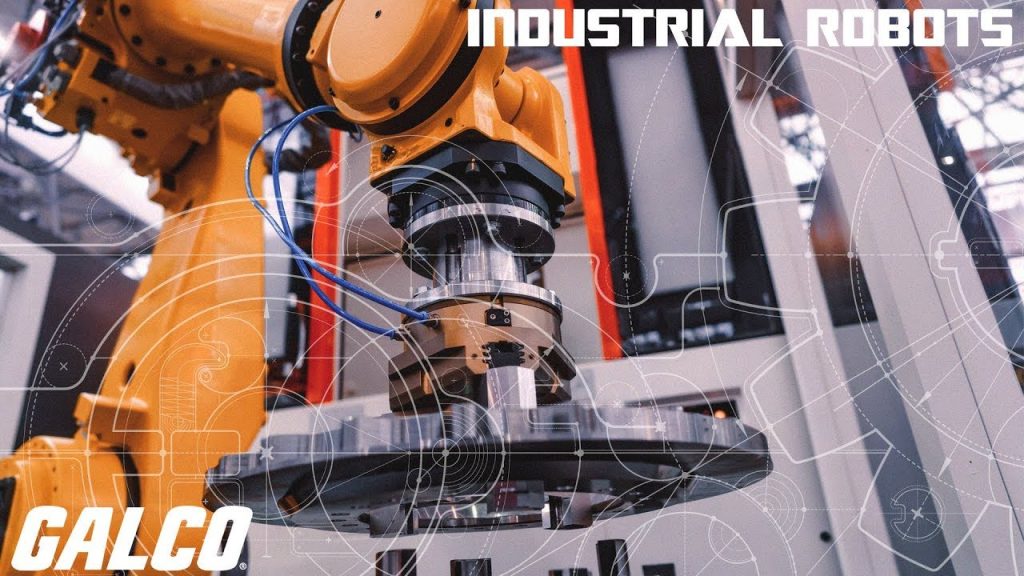
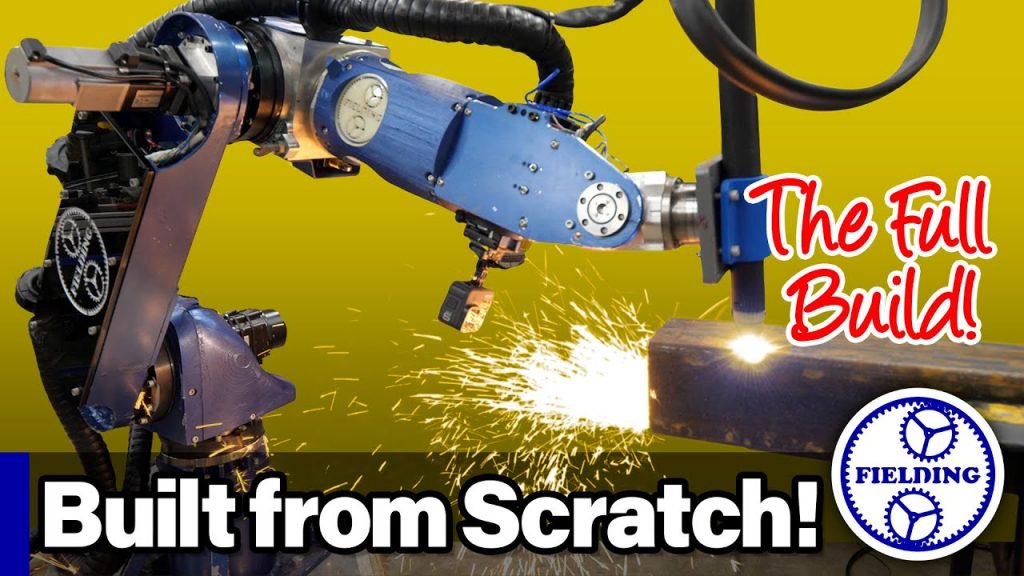
Articulated robots are the most widely used type of industrial robots. They consist of a series of interconnected joints, resembling a human arm. This design allows them to have a wide range of motion and perform complex tasks with precision. Articulated robots excel in applications such as welding, painting, material handling, and assembly.
2. SCARA Robots:
SCARA (Selective Compliance Assembly Robot Arm) robots are designed for high-speed and high-precision tasks. They have a rigid horizontal arm and a vertical arm that can move in a single plane. SCARA robots are commonly used in assembly lines, pick and place operations, and electronic component manufacturing.
3. Delta Robots:
Delta robots, also known as parallel robots, are characterized by their unique design with multiple arms connected to a common base. This configuration allows them to achieve high-speed and highly accurate movements, making them ideal for tasks such as packaging, sorting, and food processing.
4. Cartesian Robots:
Cartesian robots, also called gantry robots, operate on a three-axis system (X, Y, and Z) using linear motion. They are known for their simplicity and versatility, making them suitable for a wide range of applications, including material handling, packaging, and CNC machining.
5. Collaborative Robots:
Collaborative robots, or cobots, are designed to work alongside humans in a collaborative manner. They feature advanced sensors and safety systems that enable them to detect and react to human presence, ensuring a safe working environment. Cobots are increasingly being used in industries such as healthcare, electronics, and small-scale manufacturing.
These are just a few examples of the various types of industrial robots available today. Each type offers unique advantages and can be customized to meet specific industry requirements. Whether it’s increasing production speed, improving quality control, or enhancing workplace safety, industrial robots have the potential to transform the way businesses operate.
In conclusion, industrial robots have emerged as game-changers in the world of automation. Their versatility, precision, and ability to perform repetitive tasks with consistency make them indispensable in modern industries. As technology continues to advance, we can expect even more innovative and sophisticated industrial robot types to revolutionize various sectors.
If you want to explore the fascinating world of industrial robots further, don’t forget to check out our video on Industrial Robot Types. Discover how these incredible machines are reshaping industries and paving the way for a more efficient and automated future.
Check the coil packing solution with leading manufacturers for professional solutions just here: [Insert relevant link] Industrial Robot
“Exploring Industrial Robotics: An In-depth Look at Robot Types and Sridhar D R’s Insights”