
Check out our website to explore the cutting-edge coil packing solutions offered by a leading manufacturer in the industry.
Title: The Future of Packing Automation: Revolutionizing Food Packaging with Autocoding Systems
Introduction:
In today’s fast-paced world, where efficiency and productivity are paramount, the automation of packaging lines has become a game-changer for industries, particularly the food packaging sector. Autocoding systems, along with advancements in technology, have revolutionized the way food packaging lines operate. In this article, we will delve into three key areas where autocoding systems and the future of food packaging line automation are set to develop, paving the way for a more streamlined and efficient packaging process.
1. Enhanced Traceability and Compliance:
With increasing consumer demand for transparency and stringent regulatory requirements, the need for accurate traceability in food packaging is more critical than ever before. Autocoding systems enable seamless integration of traceability data, ensuring that every product can be tracked throughout the entire packaging process. By automating the coding and labeling of products, these systems eliminate the risk of human error and improve compliance with industry standards. This enhanced traceability not only facilitates recalls, if necessary, but also builds consumer trust and confidence in the product.
2. Real-time Data Analytics and Reporting:
In the era of digitalization, data is king. Autocoding systems equipped with advanced analytics capabilities provide manufacturers with real-time data on their packaging lines. By collecting and analyzing data such as production rates, downtime, and quality control metrics, manufacturers can identify bottlenecks, inefficiencies, and opportunities for optimization. This data-driven approach empowers decision-makers to make informed and timely adjustments, ensuring maximum productivity and minimizing downtime. Moreover, the ability to generate comprehensive reports allows manufacturers to showcase their compliance with regulatory requirements and industry standards.
3. Integration with Industry 4.0 Technologies:
As we move towards the era of Industry 4.0, the integration of autocoding systems with other advanced technologies opens up new possibilities for food packaging line automation. Collaborative robots (cobots), artificial intelligence (AI), and machine learning algorithms can work in synergy with autocoding systems to further enhance productivity and flexibility. For instance, AI-powered vision systems can inspect packaging quality in real-time, ensuring only flawless products are released to the market. Cobots can assist human workers in tasks that require dexterity and precision, increasing efficiency and reducing the risk of injuries. The future of packing automation lies in the seamless integration of these technologies, creating a highly adaptive and responsive packaging process.
Conclusion:
The future of packing automation holds immense potential for the food packaging industry. Autocoding systems, coupled with advancements in technology, are set to transform the way packaging lines operate. Enhanced traceability, real-time data analytics, and integration with Industry 4.0 technologies are the key areas driving this evolution. By embracing these advancements, manufacturers can achieve higher productivity, improved compliance, and enhanced product quality. The journey towards a more automated and efficient food packaging process has just begun, and the possibilities are limitless.
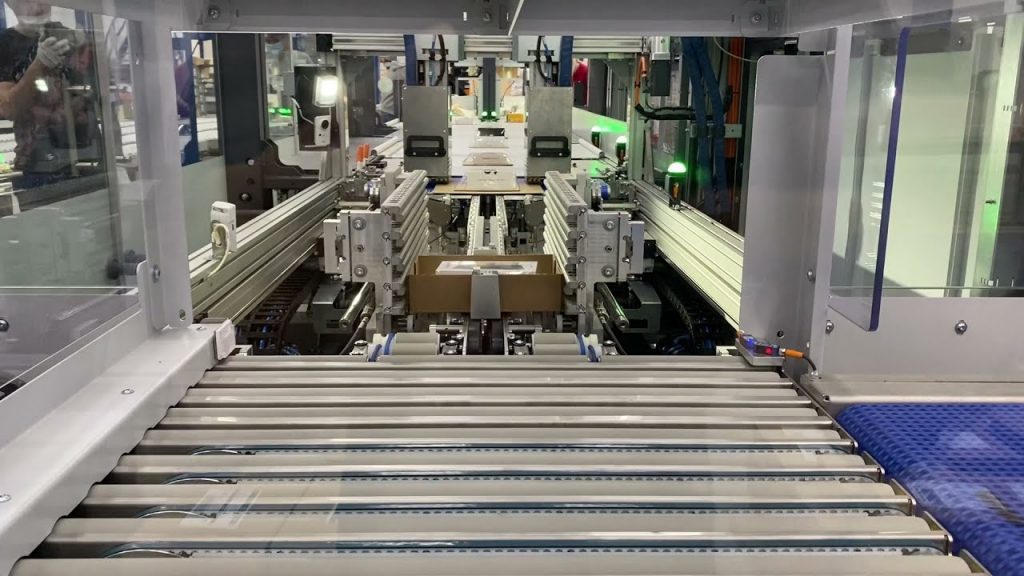
Check the coil packing solution with a leading manufacturer for a professional packaging solution. Visit our website today! Automatic packing line
“The Next Generation of Autocoding Systems & Food Packaging Line Automation: Exploring OAL Connected and the Future of Packing Automation”