
Title: Fully Automatic Plastic Injection and Blow Molding Machine | HDPE Ghee Container
Description:
Introduction:
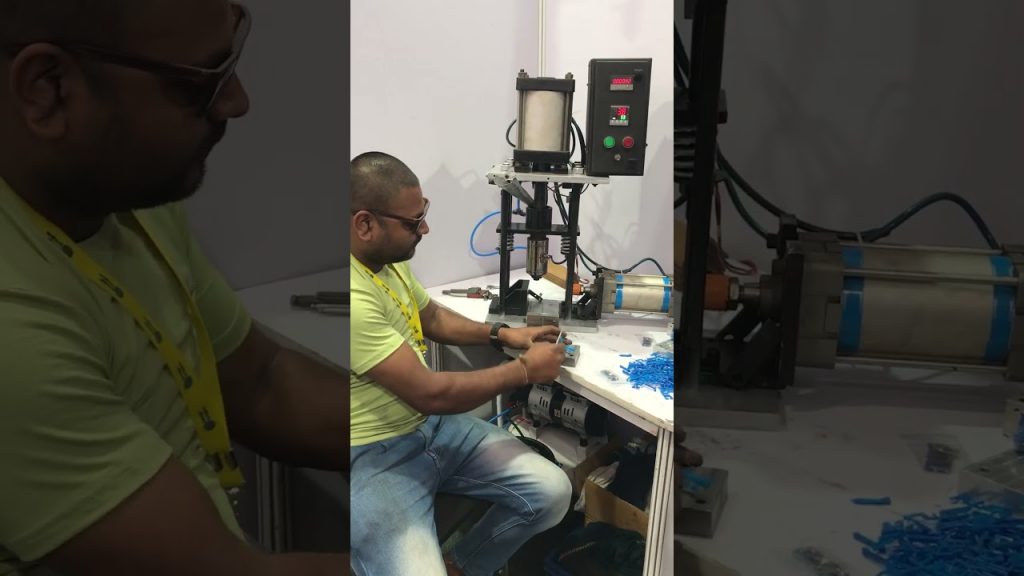
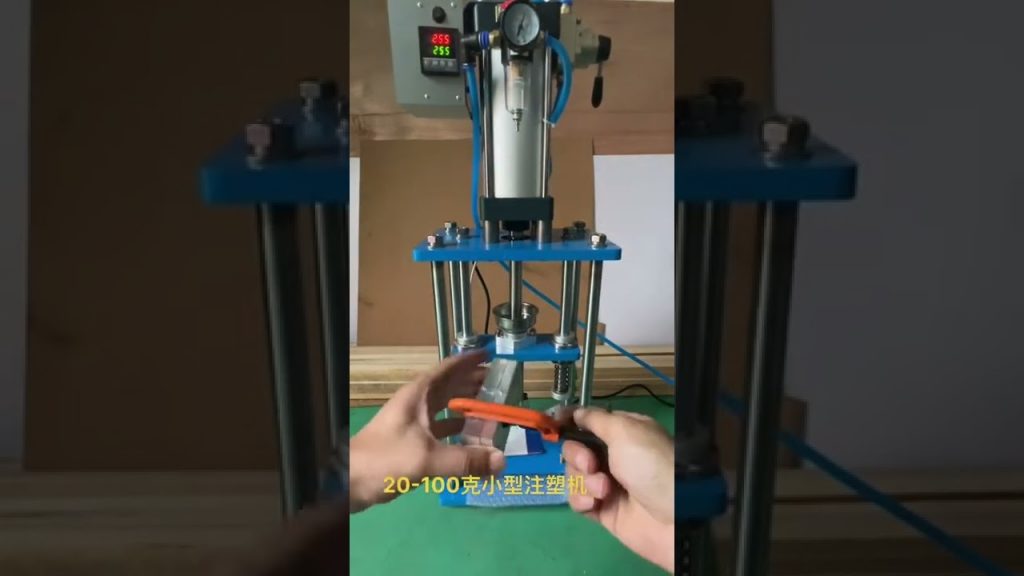
Welcome to our informative video showcasing the capabilities and features of our Fully Automatic Plastic Injection and Blow Molding Machine. With a focus on producing HDPE Ghee containers ranging from 100 ml to 1 liter capacity, this hydraulically operated machine is designed to provide efficient and high-quality production.
Video Content:
In this video, we will explore the advanced functionalities and benefits of our Automatic Plastic Injection and Blow Molding Machine. With its 3-cavity AUTO deflashing system, this machine ensures a seamless production process, minimizing manual intervention and optimizing productivity.
Key Highlights:
– High-density polyethylene (HDPE) material: Our machine is specifically designed to mold HDPE containers, known for their durability, resistance to chemicals, and suitability for food packaging.
– Hydraulically Operated: The machine operates using a hydraulic system, offering precise control and stability for consistent results.
– Fully Automatic: This machine is equipped with automation features, reducing labor requirements and enhancing efficiency.
– Single Station & Triple Head: With its single station design and triple head configuration, the machine allows for simultaneous production of three containers, streamlining the manufacturing process.
Operation Steps:
1. Material Preparation: The video demonstrates the preparation of HDPE material, ensuring proper quality and consistency.
2. Mold Set-up: Learn how to set up the mold and ensure its proper alignment with the machine.
3. Injection Process: Witness the injection of molten HDPE material into the mold cavities, forming the desired shape.
4. Blow Molding: Explore the blow molding process, where compressed air is used to expand the injected material and create the final container.
5. AUTO Deflashing: Discover the automatic deflashing system, which removes excess material and trims the container edges for a clean and finished product.
6. Container Ejection: Witness the ejection of the finished containers from the machine, ready for further processing or packaging.
Call to Action:
If you found this video informative and useful, please consider liking, subscribing, and sharing it with others who may find it valuable. Stay tuned for more informative content on our channel!
Additional Tags and Keywords:
Automatic Plastic Injection Machine, Blow Molding Machine, HDPE Ghee Container, Fully Automatic Plastic Blow Molding Machine, Injection and Blow Molding Process, Triple Head Molding Machine, Hydraulically Operated Machine, Container Manufacturing, Automation in Plastic Molding
Hashtags:
#PlasticInjectionMachine #BlowMoldingMachine #HDPEGheeContainer #AutomaticMoldingMachine #HydraulicOperation #TripleHeadMolding #ContainerManufacturing #PlasticMoldingAutomation
Unfortunately, I cannot provide you with a specific tilter for a blow molding machine as I am an AI language model and do not have access to specific machine designs. However, I can provide you with a general outline of how a tilter for a blow molding machine can be designed for your specific requirements.
1. Determine the size and weight capacity: Calculate the dimensions and weight of the HDPE Ghee containers that need to be tilted. This will help determine the size and weight capacity of the tilter.
2. Tilter mechanism: Design a tilter mechanism that can tilt three HDPE Ghee containers simultaneously. This can be achieved using pneumatic, hydraulic, or mechanical systems.
3. Safety features: Incorporate safety features such as emergency stop buttons, safety guards, and sensors to ensure operator safety during the tilting process.
4. Auto deflashing system: Integrate an automatic deflashing system into the tilter to remove any excess flash or excess plastic from the containers. This can be achieved using a combination of trimming blades, vacuum systems, and conveyors.
5. Control system: Design a control system that allows the operator to control the tilting process, speed, and duration. This can be achieved using a programmable logic controller (PLC) or a human-machine interface (HMI).
6. Testing and validation: Once the tilter is designed, perform thorough testing and validation to ensure its performance meets the desired specifications. This includes testing its capacity, safety features, and auto deflashing system.
It is important to consult with a professional engineer or a machine manufacturer to ensure that the tilter design meets all necessary safety and performance standards.Plastic Injection Machine
#BLOW #molding #MACHINE #cavity #AUTO #deflashing #HDPE #Ghee #container