Automating Certain Processes with Robots: The Benefits for Various Industries
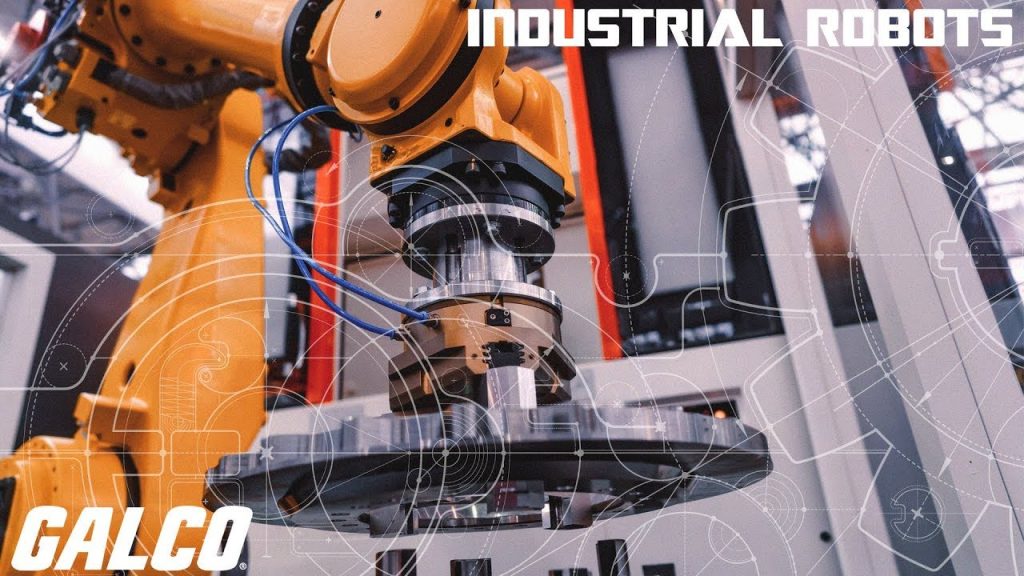
In today’s fast-paced world, where efficiency and productivity are crucial for businesses to thrive, the use of robots has become increasingly prevalent. Automating certain processes with robots can bring about numerous advantages across various industries. In this article, we will explore the benefits of industrial robots and discuss ten key advantages of automating processes with robots.
Industrial robots have come a long way since their inception. In the past, they were primarily utilized in manufacturing industries for repetitive and labor-intensive tasks. However, with advancements in technology, robots are now capable of performing a wide range of complex tasks that were once considered impossible.
One of the major benefits of industrial robots is their ability to enhance productivity. Robots can work tirelessly without the need for breaks, ensuring continuous production and reducing downtime. They can also perform tasks at a much faster pace than humans, resulting in increased output and efficiency.
Moreover, by automating processes with robots, businesses can significantly improve the quality of their products. Robots are programmed to perform tasks with precision and accuracy, minimizing the risk of errors or defects. This can lead to higher customer satisfaction and reduced waste, ultimately boosting profitability.
Another advantage of using industrial robots is the improvement in workplace safety. Robots can handle hazardous tasks that may pose risks to human workers, such as working in extreme temperatures, handling toxic substances, or lifting heavy objects. By delegating these tasks to robots, companies can ensure the well-being of their employees and reduce the likelihood of workplace accidents.
Cost savings are also a significant benefit of automating processes with robots. While the initial investment in robots may seem substantial, the long-term cost-effectiveness is undeniable. Robots can perform tasks at a lower cost per unit compared to human labor, resulting in reduced operating expenses. Additionally, robots can work around the clock without the need for overtime pay or additional benefits.
Flexibility and versatility are two more advantages of industrial robots. They can be easily reprogrammed to adapt to changing production needs or perform different tasks altogether. This allows businesses to quickly respond to market demands and remain competitive in dynamic industries.
Furthermore, robots can improve the overall working conditions for employees. By taking over repetitive and physically demanding tasks, robots free up human workers to focus on more meaningful and creative work. This can lead to higher job satisfaction and employee retention.
The benefits of industrial robots extend beyond manufacturing industries. They can be applied to various sectors, including healthcare, logistics, agriculture, and even customer service. For example, robots can assist in surgeries, help with warehouse operations, automate agricultural processes, and provide personalized customer support.
In conclusion, automating certain processes with robots brings numerous benefits to various industries. The advantages of industrial robots include increased productivity, improved product quality, enhanced workplace safety, cost savings, flexibility, and improved working conditions. By leveraging the capabilities of robots, businesses can stay ahead of the competition and meet the ever-changing demands of the market.
Check out the leading manufacturers in the industry for professional coil packing solutions. They offer comprehensive and tailored solutions to meet your specific needs. Embrace the benefits of industrial robots and automate your processes today. Industrial Robot
“The Power of Automation: Unleashing the Benefits of Industrial Robots for Streamlined Processes”