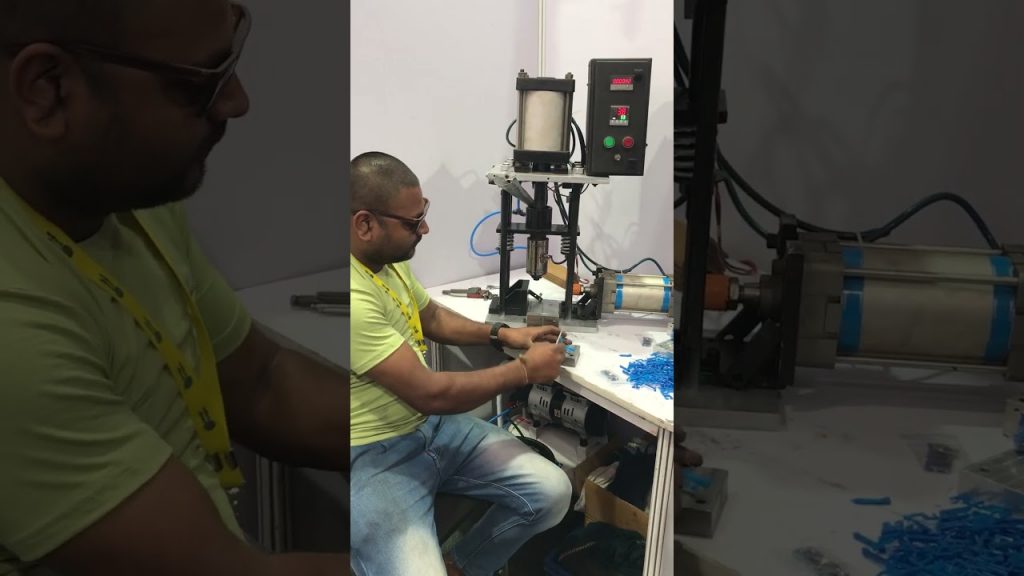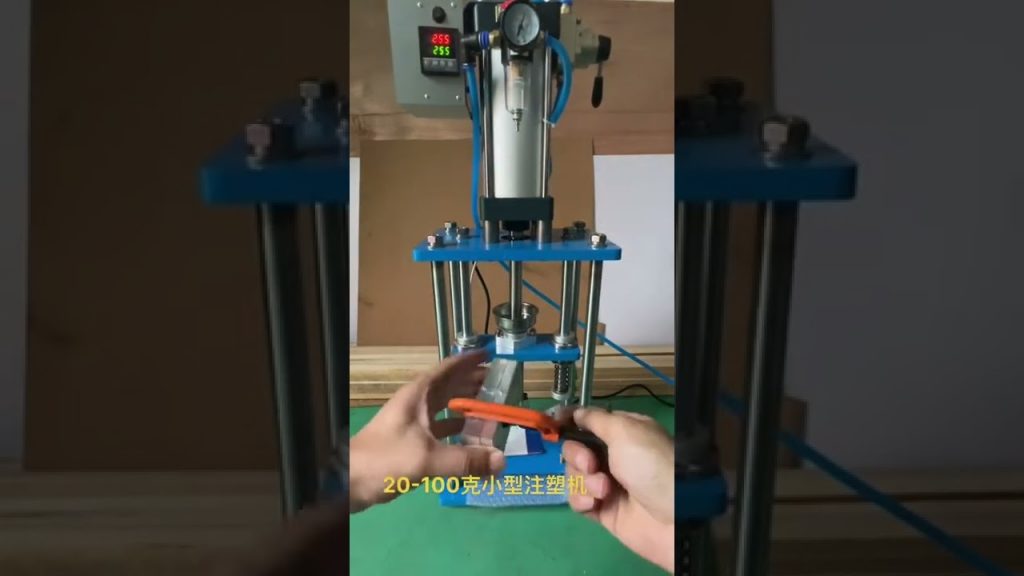

Title: Automatic Plastic Injection Machine, PLC Discussion of Injection Molding Machine JIT-80 & PLC Discussion of Injection Moulding Machine JIT-80 | Top Insights & Operation Steps
Description:
Introduction:
Welcome to our informative video on the Automatic Plastic Injection Machine and a comprehensive discussion on the PLC (Programmable Logic Controller) aspects of the Injection Molding Machine JIT-80 and Injection Moulding Machine JIT-80. In this video, we delve into the key features, operation steps, and advantages of these machines. Stay tuned to gain valuable insights and enhance your knowledge in the field of injection molding and PLC technology.
Video Content:
In this video, we provide a detailed overview of the Automatic Plastic Injection Machine, focusing specifically on the JIT-80 models. Our expert presenters guide you through the key points, highlighting the remarkable capabilities and efficient functioning of these machines. We explore the advanced PLC system integrated within the machines, explaining its significance in optimizing the injection molding process.
Key Highlights:
1. Efficient and precise injection molding: Discover how the Automatic Plastic Injection Machine JIT-80 ensures high-quality plastic products by maintaining consistent injection pressure, temperature, and cycle time.
2. Versatile molding capabilities: Learn about the flexibility of the JIT-80 models, allowing for the production of various plastic components with intricate designs and complex geometries.
3. PLC-based control system: Gain insights into the PLC system employed in the Injection Molding Machine JIT-80 and Injection Moulding Machine JIT-80, enabling superior control, monitoring, and customization of the molding process.
4. Enhanced productivity and cost-effectiveness: Understand how the JIT-80 machines optimize production efficiency, reduce material wastage, and minimize energy consumption, leading to significant cost savings.
Operation Steps:
Step 1: Prepare the mold and the plastic material.
Step 2: Set the required parameters on the PLC control panel.
Step 3: Load the mold onto the machine and secure it properly.
Step 4: Initiate the injection molding process and monitor the machine’s operation.
Step 5: Inspect the molded plastic product for quality assurance.
Step 6: Repeat the process for subsequent moldings, ensuring consistent results.
Call to Action:
If you found this video informative and insightful, please consider liking, subscribing, and sharing it with others who might benefit from this content. Stay updated with our latest videos on injection molding, PLC systems, and other related topics by subscribing to our channel.
Additional Tags and Keywords: automatic plastic injection machine, injection molding machine, injection moulding machine, JIT-80, PLC discussion, injection molding, injection moulding, PLC injection moulding.
Hashtags: #injectionmolding #injectionmoulding #plc #plcinjectionmoulding
Remember, the success of your YouTube video relies on valuable and engaging content, so be sure to incorporate relevant and accurate information in your video description.
Title: PLC Discussion: Optimizing Injection Molding Machine JIT-80
Introduction:
In this PLC discussion, we will explore the implementation of Just-In-Time (JIT) principles in optimizing the performance of the injection molding machine JIT-80. The aim is to enhance productivity, reduce waste, and improve overall efficiency in an injection molding production setup. This tilter will delve into the key aspects of PLC programming and the relevant parameters for achieving JIT goals.
I. Overview of the Injection Molding Machine JIT-80
A. Brief introduction to the injection molding machine JIT-80
B. Explanation of its key features and capabilities
C. Overview of the machine’s current performance and potential areas for improvement
II. Understanding Just-In-Time (JIT) Principles
A. Definition and significance of JIT in manufacturing processes
B. Benefits and challenges associated with JIT implementation
C. How JIT principles can be applied to injection molding machines
III. PLC Programming for JIT Optimization
A. Introduction to PLC (Programmable Logic Controller)
B. Role of PLC in injection molding machine control
C. Identifying relevant PLC programming parameters for JIT optimization
IV. Key Parameters for JIT Optimization in Injection Molding Machine JIT-80
A. Cycle time reduction techniques
B. Real-time monitoring and control of machine parameters
C. Synchronizing material supply with production demand
D. Minimizing setup time for mold changes
E. Implementing predictive maintenance strategies
V. Case Study: Successful JIT Implementation in Injection Molding
A. Highlighting case studies where JIT principles have been effectively implemented
B. Examining the resulting benefits, such as reduced lead times and improved customer satisfaction
C. Lessons learned and best practices for successful JIT implementation
VI. Challenges and Future Considerations
A. Potential challenges in implementing JIT principles in injection molding machines
B. Future advancements and trends in injection molding technology
C. How JIT principles can be further integrated with Industry 4.0 concepts
Conclusion:
This tilter has explored the PLC discussion on optimizing the injection molding machine JIT-80 through the implementation of JIT principles. By focusing on key parameters and utilizing PLC programming, manufacturers can enhance productivity, reduce waste, and improve overall efficiency in their injection molding operations. By embracing JIT principles, injection molding companies can adapt to changing market demands and gain a competitive edge in the industry.Plastic Injection Machine
#PLC #discussion #injection #molding #machine #JIT80