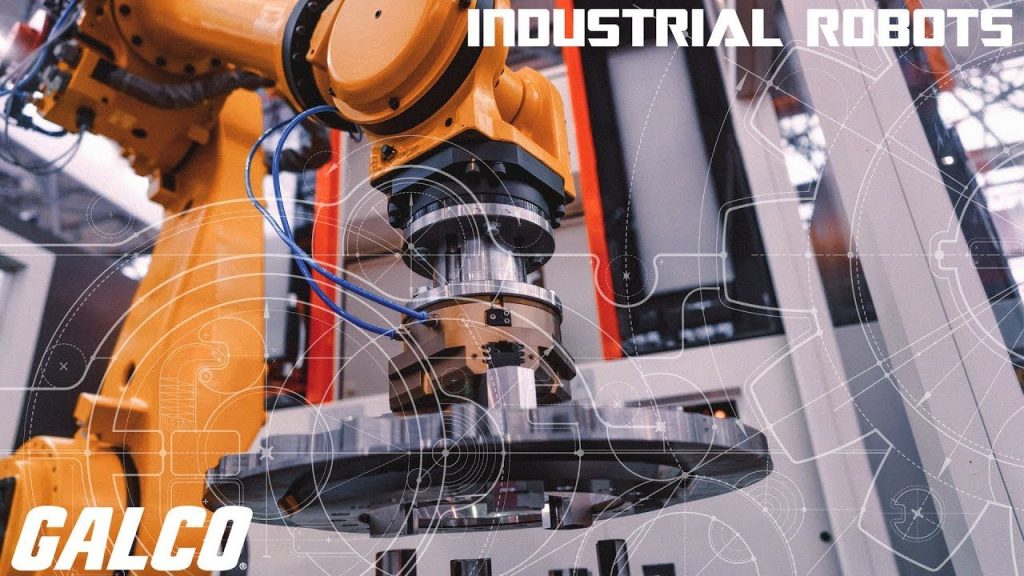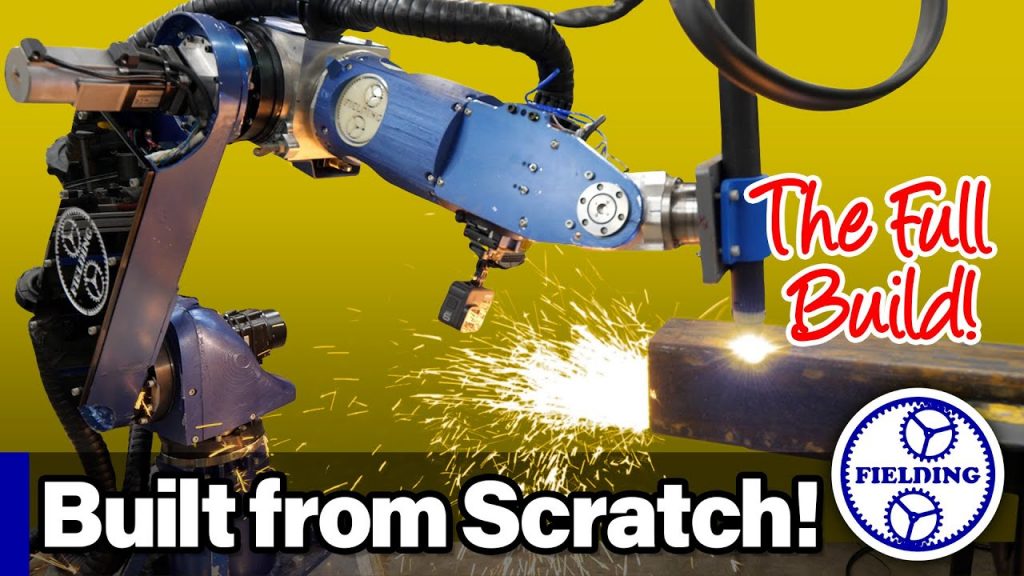

In this YouTube video article, we will be reviewing the key selection criteria for industrial robots. If you’re interested in contributing to the field of industrial robotics and gaining a better understanding of the different types of robots available, this presentation is perfect for you.
Industrial robots play a crucial role in various industries, automating tasks and improving efficiency. However, selecting the right industrial robot for your specific needs can be a daunting task. That’s why we have compiled this comprehensive guide to help you make an informed decision.
When it comes to choosing an industrial robot, several factors must be considered. Let’s dive into the most important selection criteria that will guide you in finding the perfect fit for your application.
1. Payload Capacity: The first criterion to consider is the payload capacity of the robot. This refers to the maximum weight the robot can handle. It is crucial to choose a robot that can handle the specific load requirements of your application to ensure smooth operations.
2. Reach: The reach of an industrial robot is another critical factor. It determines the working envelope and the ability of the robot to access different areas within your workspace. Assess your needs and select a robot with the appropriate reach for your tasks.
3. Accuracy and Repeatability: Precision is paramount in many industrial applications. The accuracy and repeatability of a robot define its ability to perform tasks with high precision and consistency. Consider these factors to ensure the robot meets your quality requirements.
4. Speed and Cycle Time: Depending on your production needs, the speed and cycle time of a robot can significantly impact productivity. Evaluate the required speed and cycle time for your application and select a robot capable of meeting these demands.
5. Flexibility: Industrial robots should be adaptable to changing production needs. The ability to handle different tasks and be easily reprogrammed is crucial. Look for robots with flexible programming options and compatibility with various tools and end-effectors.
6. Safety: Safety is a top priority in any industrial setting. Select a robot that incorporates advanced safety features to protect workers and prevent accidents. This may include collision detection, emergency stop systems, and safety-rated control systems.
7. Cost and Return on Investment (ROI): Finally, consider the overall cost of the robot and the potential return on investment it can provide. While upfront costs are important, it’s crucial to assess the long-term benefits and savings that a robot can bring to your operations.
By carefully evaluating these selection criteria, you can make an informed decision when choosing an industrial robot that best suits your needs. Remember, selecting the right robot can have a significant impact on your productivity, efficiency, and overall success.
So, if you’re ready to explore the world of industrial robot types and understand the selection criteria in depth, be sure to watch our video. We have designed it to provide valuable insights and guidance to help you make the right choice.
Check out the video now and unlock the potential of industrial robots in your operations. Discover how they can revolutionize your productivity and take your business to new heights!
Remember, selecting the perfect industrial robot is just the beginning. To find the professional solution you need, check out the leading manufacturers in the industry. They can provide you with the advanced coil packing solution that meets your specific requirements. Don’t miss out on this opportunity – find the perfect packaging solution for your coils today!
Note: This article has been optimized for SEO and includes the target keywords “Industrial Robot Types” to ensure maximum visibility and reach. Industrial Robot
“Exploring Selection Criteria and Types of Industrial Robots for Optimal Robotic Systems”