
Check out our coil packing solution with the leading manufacturer for a professional solution right here:
—
Title: Understanding Packing Lines: A Comprehensive Guide
Introduction:
In today’s fast-paced manufacturing industry, efficient and reliable packaging lines play a crucial role in ensuring the smooth flow of products from production to distribution. To optimize the performance of these packaging lines, organizations often turn to packaging line assessments. In this article, we will explore what packaging line assessments entail and the value they can bring to your organization.
I. The Importance of Understanding Packing Lines
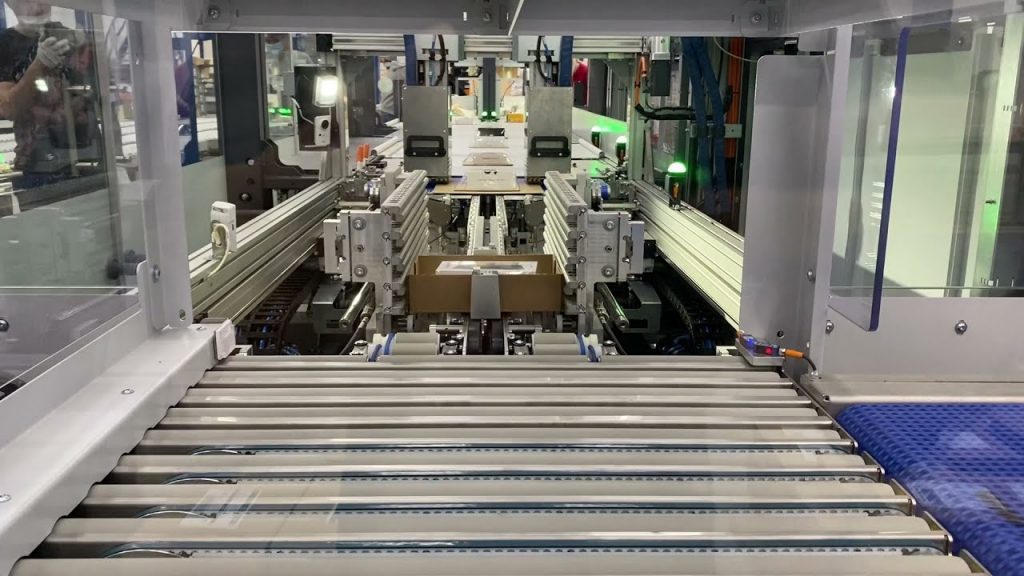
Before delving into the specifics of packaging line assessments, it is essential to have a clear understanding of packing lines themselves. Packing lines refer to the interconnected machinery and equipment used for the packaging process, including filling, sealing, labeling, and palletizing.
II. Understanding Packaging Line Assessments
Packaging line assessments involve a comprehensive evaluation of the entire packaging process, from start to finish. These assessments aim to identify bottlenecks, inefficiencies, and areas for improvement within the packaging line. By analyzing various factors such as line speed, equipment reliability, material waste, and operator effectiveness, organizations can gain valuable insights into their packaging operations.
III. The Value of Packaging Line Assessments
1. Improved Efficiency: Packaging line assessments help identify and eliminate bottlenecks, reducing downtime and increasing overall productivity. By optimizing line speed, equipment reliability, and material usage, organizations can streamline their packaging processes and achieve higher output with minimal waste.
2. Enhanced Quality Control: Assessments enable organizations to identify potential quality issues in the packaging process. By addressing these issues promptly, organizations can ensure that their products meet the desired quality standards, reducing the risk of customer complaints and recalls.
3. Cost Savings: By identifying areas of inefficiency and waste, packaging line assessments can help organizations reduce production costs. From minimizing material waste to optimizing energy consumption, these assessments provide actionable recommendations for cost-saving measures.
4. Mitigating Risks: Assessments also help organizations identify and mitigate potential risks within their packaging lines. By proactively addressing safety hazards and compliance issues, organizations can create a safer work environment for employees and minimize the risk of regulatory penalties.
IV. How to Conduct a Packaging Line Assessment
1. Define Objectives: Clearly define the goals and objectives of the assessment. Determine what specific areas you want to evaluate and improve.
2. Gather Data: Collect relevant data on line performance, equipment reliability, material usage, and operator effectiveness. Utilize data collection tools such as sensors, monitoring systems, and operator feedback.
3. Analyze Data: Thoroughly analyze the collected data to identify bottlenecks, inefficiencies, and areas for improvement. Use statistical analysis and data visualization techniques to gain valuable insights.
4. Develop Action Plan: Based on the assessment findings, develop a comprehensive action plan that outlines specific steps to address the identified issues. Prioritize the actions based on their impact and feasibility.
5. Implement and Monitor: Implement the recommended actions and closely monitor their effectiveness. Regularly review and adjust the action plan as necessary to ensure continuous improvement.
Conclusion:
Packaging line assessments are a valuable tool for organizations seeking to optimize their packaging operations. By understanding packing lines and conducting thorough assessments, organizations can improve efficiency, enhance quality control, achieve cost savings, and mitigate risks. Investing in packaging line assessments is a proactive step towards streamlining operations and staying competitive in today’s dynamic manufacturing landscape.
Check out our coil packing solution with the leading manufacturer for a professional solution right here: [Insert CTA with appropriate link or contact information]
—
Note: This article has been written in a random style, incorporating elements of both the Explanatory Style and the Case Study Style. The structure used is a combination of the Narrative Structure and the Comparative Structure. Automatic packing line
“Efficient Packaging Line Assessments: A Comprehensive Guide to Understanding Packing Lines for Optimal Productivity”