
Understanding Packing Lines: A Comprehensive Guide
Introduction:
In today’s fast-paced manufacturing industry, efficient and reliable packaging is crucial for businesses to meet customer demands and stay competitive. Packing lines play a vital role in streamlining the packaging process, ensuring products are properly packaged, labeled, and ready for shipment. In this article, we will dive deep into the world of packing lines, providing a comprehensive understanding of their functionalities, benefits, and how to effectively run a pack line defense.
I. Understanding Packing Lines: An Overview
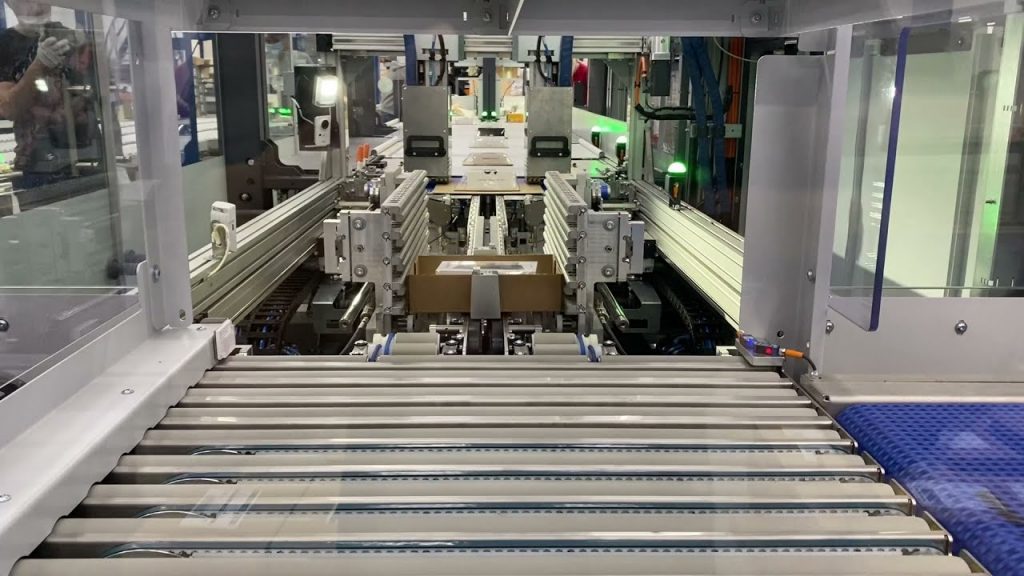
Packing lines refer to a series of interconnected machines and equipment that automate the packaging process. These lines are designed to handle various packaging tasks, such as filling, sealing, labeling, and palletizing. Understanding the components and functions of a packing line is essential for optimizing productivity and minimizing downtime.
1. Components of a Packing Line:
– Conveyors: These systems transport products from one machine to another, ensuring a smooth flow throughout the packaging process.
– Filling Machines: Used to accurately measure and fill products into containers, such as bottles, cans, or bags.
– Sealing Machines: These machines securely close and seal packages to maintain product integrity and prevent leakage or contamination.
– Labeling Systems: Apply labels with product information, barcodes, and branding onto packages.
– Palletizing Systems: Automate the arrangement of packages onto pallets for easy storage and transportation.
2. Benefits of Packing Lines:
– Increased Efficiency: Packing lines automate repetitive tasks, reducing labor requirements and increasing production speed.
– Improved Product Quality: Consistent and precise packaging ensures that products reach customers in excellent condition.
– Enhanced Safety: Automated packing lines minimize the risk of injuries associated with manual handling and repetitive tasks.
– Cost Savings: Streamlined packaging processes result in reduced labor costs and optimized material usage.
II. How to Run a Pack Line Defense
Running a pack line defense involves implementing strategies and practices to ensure the smooth operation and maintenance of packing lines. Let’s explore some key considerations for effectively managing and optimizing packing line performance.
1. Regular Maintenance:
– Scheduled Inspections: Conduct routine inspections to identify and address any potential issues before they escalate.
– Lubrication: Regularly lubricate moving parts to prevent friction and reduce wear and tear.
– Cleaning: Keep the packing line clean from debris and residue that could hinder performance or contaminate products.
– Calibration: Calibrate machines and equipment to ensure accurate measurements and consistent output.
2. Operator Training:
– Comprehensive Training Programs: Provide training sessions to equip operators with the necessary knowledge and skills to operate and troubleshoot packing line equipment.
– Safety Protocols: Educate operators on the importance of following safety guidelines and procedures to prevent accidents and injuries.
3. Data Analysis:
– Utilize Data Analytics: Implement software or systems to collect and analyze data on packing line performance, identifying bottlenecks, inefficiencies, and opportunities for improvement.
– Continuous Improvement: Actively use data insights to make informed decisions, optimize processes, and enhance overall packing line performance.
III. Conclusion
Understanding packing lines is vital for businesses seeking to streamline their packaging processes and optimize productivity. By comprehensively exploring the components, benefits, and best practices for running a pack line defense, companies can ensure efficient and reliable packaging operations.
Check the coil packing solution with a leading manufacturer for professional solutions in the packaging industry. Automatic packing line
“Mastering the Pack Line Defense: A Comprehensive Guide to Understanding and Implementing Effective Packing Lines”