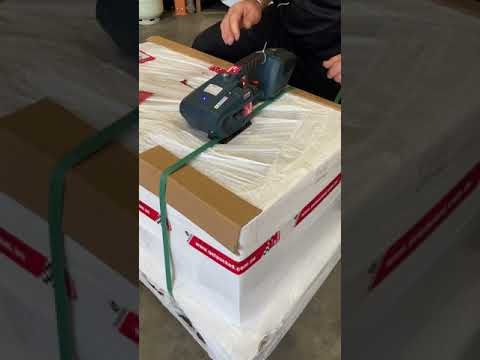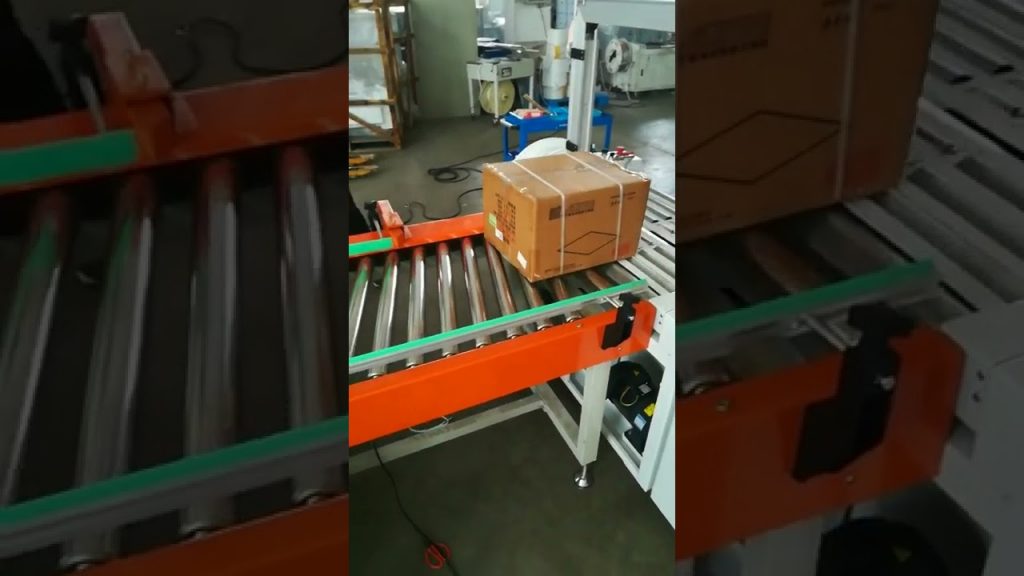

Looking for a reliable and efficient way to secure your packages? Look no further than manual strapping machines. These handy tools make the process of strapping packages quick and easy, ensuring that your goods are securely bundled and ready for transport. In this article, we will explore the ins and outs of manual strapping machines, including how they work and how to use them effectively.
Manual strapping machines are a versatile and cost-effective solution for businesses of all sizes. Whether you’re in the manufacturing, logistics, or retail industry, these machines can greatly improve your packaging process. They are especially useful for bundling items together, securing boxes, or reinforcing pallets.
So, how do manual strapping machines work? These machines operate by tensioning and sealing a plastic or steel strap around a package or pallet. The strap is fed through the machine, tightened around the package, and then sealed using a metal or plastic buckle. This creates a strong and secure bond, keeping your items tightly bound during transportation.
Using a manual strapping machine is a straightforward process that anyone can learn. Here’s a step-by-step guide to get you started:
Step 1: Prepare the machine and strapping material. Make sure the machine is in good working condition and that you have the appropriate strapping material for your needs. This could be plastic or steel strapping, depending on the weight and size of your packages.
Step 2: Position the package. Place the package or pallet that needs to be strapped in a convenient location near the machine. Make sure it is stable and won’t shift during the strapping process.
Step 3: Feed the strap through the machine. Take the end of the strapping material and thread it through the appropriate guides on the machine. Ensure that the strap is aligned correctly and won’t twist or tangle during the strapping process.
Step 4: Wrap the strap around the package. Pull the strapping material around the package or pallet, making sure it is snug but not overly tight. Leave enough slack for the strapping machine to tension the strap properly.
Step 5: Tension the strap. Activate the tensioning mechanism on the machine to tighten the strap around the package. This will ensure a secure bond and prevent the strap from loosening during transport.
Step 6: Seal the strap. Once the strap is tensioned, use the sealing mechanism on the machine to secure the strap. This could involve using a metal buckle, heat sealing, or friction welding, depending on the type of machine you are using.
Step 7: Trim the excess strap. After sealing the strap, trim any excess material using a strapping cutter or scissors. This will give your package a neat and professional appearance.
Manual strapping machines offer several advantages over other strapping methods. They are portable, easy to operate, and require minimal maintenance. Additionally, they are a cost-effective option for businesses that don’t require high-volume strapping.
In conclusion, manual strapping machines are a valuable tool for businesses looking to improve their packaging process. By following the simple steps outlined in this article, you can effectively secure your packages and ensure their safe transportation. So why wait? Invest in a manual strapping machine today and experience the benefits for yourself.
Check the coil packing solution with a leading manufacturer for the professional solution just here. Strapping Machines
“Efficiently Mastering Strapping Techniques: A Comprehensive Guide to Utilizing Manual Strapping Machines”