
Strapping Tool: The Ultimate Guide to Efficient Cord Strapping with Tensioners
*This article is presented in an Explanatory Style*
If you work in the manufacturing, logistics, or shipping industry, you are probably familiar with the challenges of securing heavy loads for transportation. The use of strapping tools, specifically tensioners, has become increasingly popular due to their efficiency and effectiveness in cord strapping. In this article, we will explore the world of strapping tools and provide you with a comprehensive guide on how to use tensioners for cord strapping.
What is a Strapping Tool?
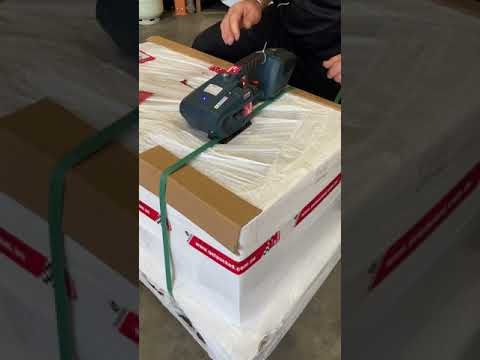
A strapping tool is a device used to secure items together for safe transportation. It is commonly used in industries such as construction, manufacturing, and logistics. Strapping tools are designed to apply tension to a strap or cord, ensuring that the load is tightly bound and secure. These tools not only save time and effort but also provide a reliable and strong strapping solution.
Introducing the Tensioner
One of the most crucial components of a strapping tool is the tensioner. A tensioner is a device that allows you to apply tension to the strapping material, ensuring a tight and secure hold. There are various types of tensioners available in the market, including manual, pneumatic, and battery-powered tensioners. Each type has its own advantages and is suitable for different applications.
Manual Tensioners: These tensioners are operated by hand and are ideal for low to medium volume strapping applications. They are easy to use and require minimal maintenance. Manual tensioners are available in different designs, including feed wheel, push-type, and windlass.
Pneumatic Tensioners: Pneumatic tensioners use compressed air to apply tension to the strapping material. They are highly efficient and can handle high-volume strapping tasks. Pneumatic tensioners are suitable for heavy-duty applications and provide consistent tensioning across multiple straps.
Battery-Powered Tensioners: Battery-powered tensioners are portable and offer the convenience of cordless operation. These tensioners are ideal for applications where mobility is essential. They provide consistent tensioning and are easy to handle.
How to Use a Tensioner for Cord Strapping
Using a tensioner for cord strapping is a straightforward process. Here is a step-by-step guide to help you achieve optimal results:
Step 1: Prepare the Strapping Material
Ensure that you have the appropriate strapping material for your application. Cord strapping is commonly made of polyester or polypropylene, which are strong and durable. Make sure the strapping material is free from any damages or defects.
Step 2: Load the Tensioner
Load the strapping material onto the tensioner according to the manufacturer’s instructions. Pay attention to the direction of the strapping and ensure that it is properly aligned with the tensioner.
Step 3: Apply Tension
Once the strapping material is loaded onto the tensioner, apply tension by operating the tensioning mechanism. The tensioner will tighten the strapping material, ensuring a secure hold. Adjust the tension according to the specific requirements of your application.
Step 4: Seal the Strapping
After applying the desired tension, seal the strapping material using a suitable sealing method. This can be done using a strapping sealer or a strapping tool with built-in sealing capabilities. Ensure that the seal is securely fastened to prevent any risk of the load becoming loose during transportation.
Step 5: Cut the Excess Strapping
Once the strapping is sealed, cut off any excess material using a strapping cutter or a sharp knife. This will provide a neat and professional finish to your strapping.
Step 6: Inspect and Test
Before finalizing the strapping process, inspect the strapping to ensure that it is securely fastened and free from any defects. Perform a test to verify the strength and stability of the strapping under load. This will give you peace of mind knowing that your load is properly secured.
Conclusion
Strapping tools, particularly tensioners, are indispensable for efficient cord strapping in various industries. Whether you are securing heavy loads for transportation or bundling items together, using a tensioner will save you time, effort, and provide a reliable strapping solution. By following the step-by-step guide outlined in this article, you can achieve optimal results and ensure the safe transportation of your goods.
Check the coil packing solution with a leading manufacturer for the professional solution just here: [Replace with relevant website URL] Strapping Machines
“Master the Art of Cord Strapping: Expert Techniques for Tensioning and Strapping with Essential Tools”