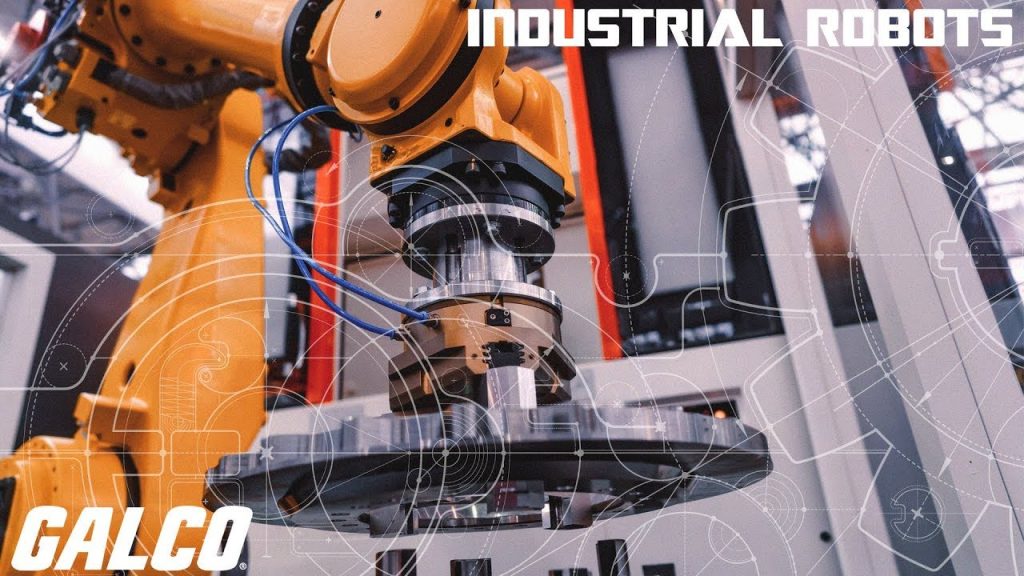
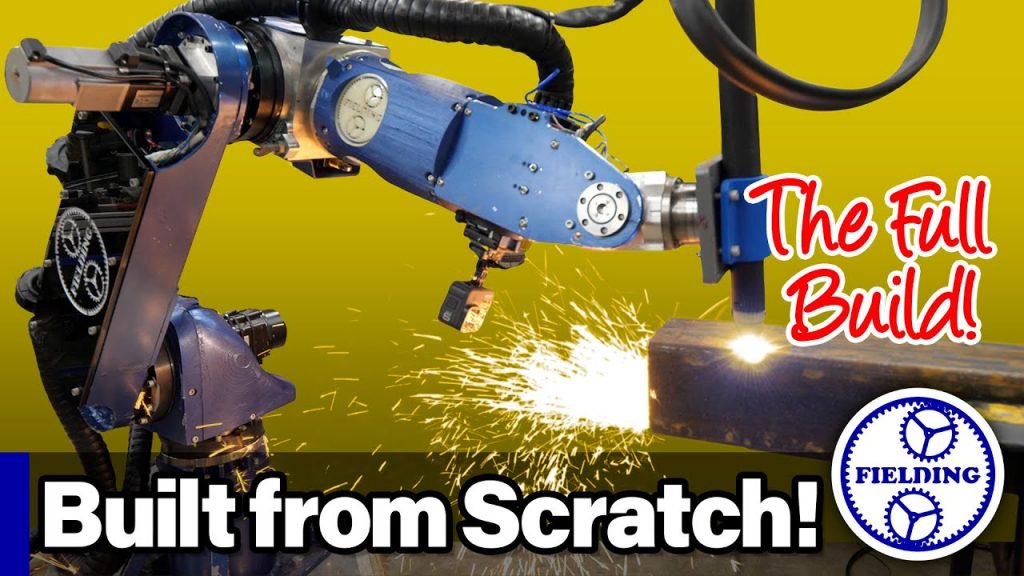
Check out the leading manufacturer for professional coil packing solutions right here:
One of the major advantages of industrial automation is its limitless potential. With industrial automation, you have the ability to easily enter the world of streamlined and efficient processes. In this article, we will explore the significance of industrial automation, its benefits, and how you can become an automation engineer.
Industrial automation refers to the use of control systems, such as robots or computer software, to handle various processes and tasks in industries. This technology has revolutionized the way factories and manufacturing plants operate, offering numerous advantages to businesses.
One of the key benefits of industrial automation is increased productivity. By automating repetitive and mundane tasks, companies can significantly enhance their production rates. Automation allows for faster and more accurate operations, minimizing errors and improving overall efficiency. This leads to higher output, reduced costs, and improved competitiveness in the market.
Another advantage of industrial automation is improved safety. By replacing manual labor with automated systems, companies can reduce the risk of accidents and injuries in the workplace. Automation eliminates the need for workers to perform dangerous or physically demanding tasks, ensuring a safer working environment for everyone.
Additionally, industrial automation offers enhanced quality control. Automated systems can consistently and precisely perform tasks, ensuring a high level of accuracy and minimizing defects. This leads to improved product quality and customer satisfaction.
Moreover, industrial automation enables companies to optimize their resources. By automating processes, businesses can effectively manage their time, energy, and materials. Automation systems can monitor and control resource usage, minimizing waste and maximizing efficiency.
To become an automation engineer, it is essential to acquire the necessary skills and knowledge. A strong foundation in engineering principles, such as electrical or mechanical engineering, is crucial. Additionally, proficiency in programming languages, such as C++ or Python, is highly beneficial. Understanding control systems, robotics, and data analysis is also important in this field.
As an automation engineer, your role will involve designing, developing, and maintaining automated systems. You will be responsible for ensuring the smooth operation of these systems, troubleshooting any issues that may arise, and continuously improving their performance. Automation engineers play a vital role in optimizing processes and driving innovation within industries.
In conclusion, industrial automation offers unlimited possibilities for businesses. Its advantages include increased productivity, improved safety, enhanced quality control, and optimized resource utilization. By embracing industrial automation, companies can achieve higher efficiency, reduce costs, and stay ahead in a competitive market.
Check out the leading manufacturer for professional coil packing solutions right here: Industrial Robot
“Mastering Industrial Automation: Essential Skills, Roles, and Study Path to Becoming an Automation Engineer”