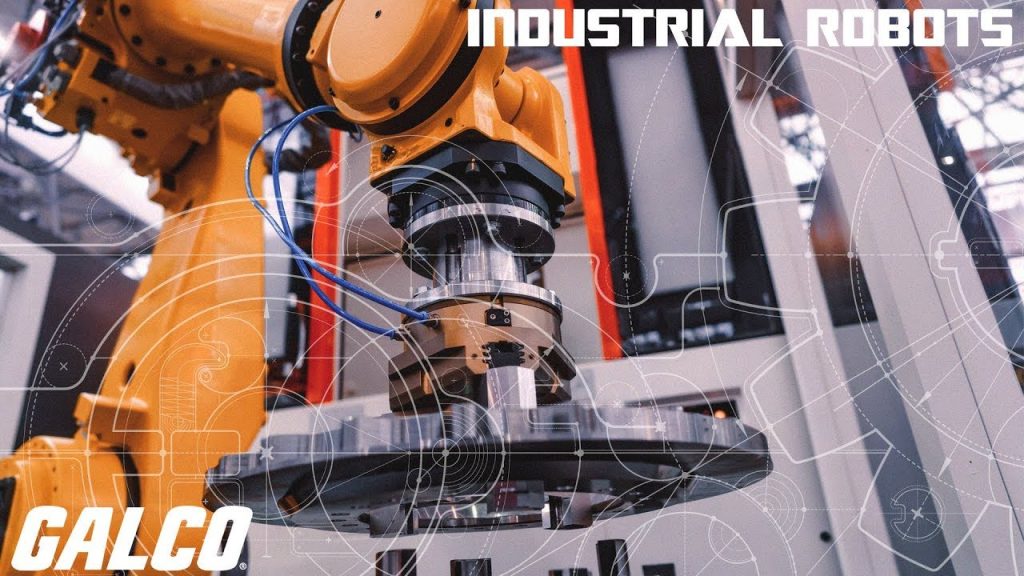
Robotic buffing has revolutionized the manufacturing industry, offering a more efficient and automated solution for achieving high-quality finishes. In this YouTube video, we will delve into the world of robotic buffing, exploring how robots can automate the buffing process, the types of materials ideal for robotic buffing, and the numerous benefits it brings to industrial operations.
Robotic buffing involves the use of advanced robotic systems to perform buffing tasks, which were traditionally carried out manually by skilled workers. By leveraging robotic technology, manufacturers can significantly increase productivity, reduce labor costs, and improve the overall quality of their products.
One of the key advantages of using industrial robots for buffing is the automation they bring to the process. Robots are capable of performing repetitive tasks with precision and consistency, eliminating human error and ensuring uniformity in the buffing process. This leads to a higher quality end product and reduces the need for rework or touch-ups.
Another benefit of robotic buffing is the ability to handle a wide range of materials. Whether it’s metal, plastic, wood, or composites, robotic buffing systems can be programmed to adapt to different materials and surfaces, making them ideal for diverse manufacturing applications. This versatility allows manufacturers to streamline their production processes and achieve consistent results across various materials.
In addition to increased productivity and material versatility, robotic buffing offers several other advantages. These include:
1. Improved safety: By automating buffing tasks, manufacturers can minimize the risk of injuries to human workers. Robots are designed to operate in hazardous environments, reducing the need for workers to be exposed to potentially dangerous conditions.
2. Cost savings: Investing in robotic buffing systems may initially require a significant upfront investment. However, in the long run, manufacturers can realize substantial cost savings. Robots can work continuously without the need for breaks or shifts, leading to increased production output and reduced labor costs.
3. Enhanced efficiency: Industrial robots are designed to work at high speeds and with great precision. This enables them to complete buffing tasks in a fraction of the time it would take a human worker. As a result, manufacturers can meet tight deadlines and increase their overall production capacity.
4. Consistency and quality control: Robotic buffing systems can be programmed to follow precise instructions, ensuring consistent results across all products. This level of accuracy is particularly crucial for industries that require strict quality control standards, such as automotive or aerospace manufacturing.
In conclusion, the benefits of industrial robots in robotic buffing are vast and undeniable. From increased productivity and material versatility to improved safety and cost savings, incorporating robotic systems into the buffing process can significantly enhance manufacturing operations. As technology continues to advance, the role of robotics in the manufacturing industry will only become more prominent.
Check out the YouTube video to learn more about the benefits of industrial robots and how they are transforming the buffing process. Discover how Robots Done Right is leading the way in providing innovative solutions for industrial automation. Industrial Robot
“Efficient Robotic Buffing: Unlocking the Full Potential of Industrial Robots for Superior Results”