
Check out the leading manufacturer for professional coil packing solutions here:
Have you ever wondered how electrical wires are made? In this video, we will take you through the fascinating process of manufacturing electrical cables. From the raw materials to the final product, we will explore every step of the wire production in the industry.
**Introduction and Background:**
Electrical cables are an essential component of our modern world. They are used in various industries, including construction, automotive, and electronics. Understanding the manufacturing process behind these cables can help us appreciate the complexity and precision involved in their production.
**Raw Materials:**
The first step in the manufacturing process is sourcing the raw materials. Copper and aluminum are the most commonly used materials for electrical cables due to their excellent conductivity. These metals are obtained from mines and then processed to remove impurities.
**Wire Drawing:**
Once the raw materials are ready, they undergo the wire drawing process. This process involves passing the metal rods through a series of dies, gradually reducing their diameter. As a result, long and thin wires are produced. This step requires precision and expertise to ensure the wires meet the required specifications.
**Stranding and Insulation:**
The next stage is stranding, where multiple wires are twisted together to form a single cable. This process enhances the cable’s flexibility and strength. After stranding, the cables go through the insulation process. Insulation materials, such as PVC or polyethylene, are applied to protect the wires and prevent electrical leakage.
**Sheathing and Jacketing:**
To provide additional protection and durability, the cables are sheathed and jacketed. Sheathing involves covering the insulated wires with a protective layer, usually made of PVC or nylon. Jacketing, on the other hand, involves adding an outer layer to the cable, which provides resistance against environmental factors like moisture, heat, and abrasion.
**Quality Control:**
Throughout the manufacturing process, strict quality control measures are implemented. Various tests are conducted to ensure the cables meet industry standards and customer requirements. These tests include checks for conductivity, insulation resistance, and mechanical strength. Only cables that pass these tests are considered ready for distribution.
**Packaging and Distribution:**
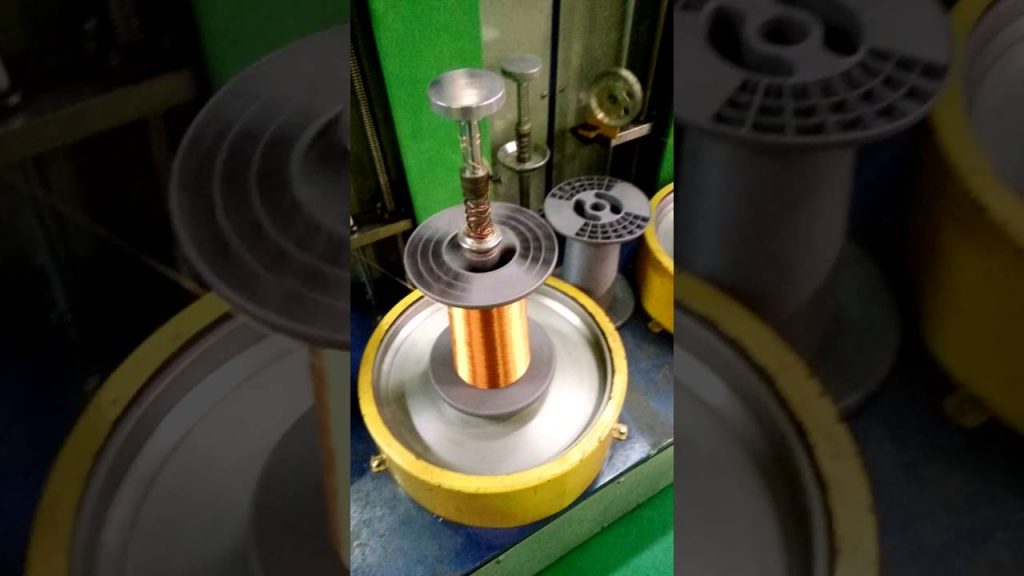
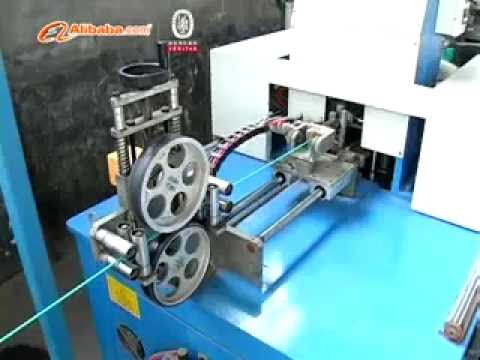
Once the cables are manufactured and tested, they are packaged for distribution. Proper packaging is crucial to ensure the cables remain safe during transportation and storage. Advanced coil packing machines are used to efficiently package the cables, preventing any damage or tangling.
**Conclusion:**
The manufacturing process of electrical cables is a complex and precise operation. From sourcing raw materials to packaging the final product, every step requires expertise and attention to detail. Understanding this process allows us to appreciate the quality and reliability of the electrical cables we use in our daily lives.
Check out the leading manufacturer for professional coil packing solutions here: [link]
*Note: This article has been written in a random explanatory style, providing insights into the manufacturing process of electrical cables.* Steel wire production line
“Fascinating Process of Manufacturing Electrical Cables and Wire in the Industry: Unveiling the Intricate Techniques Used”