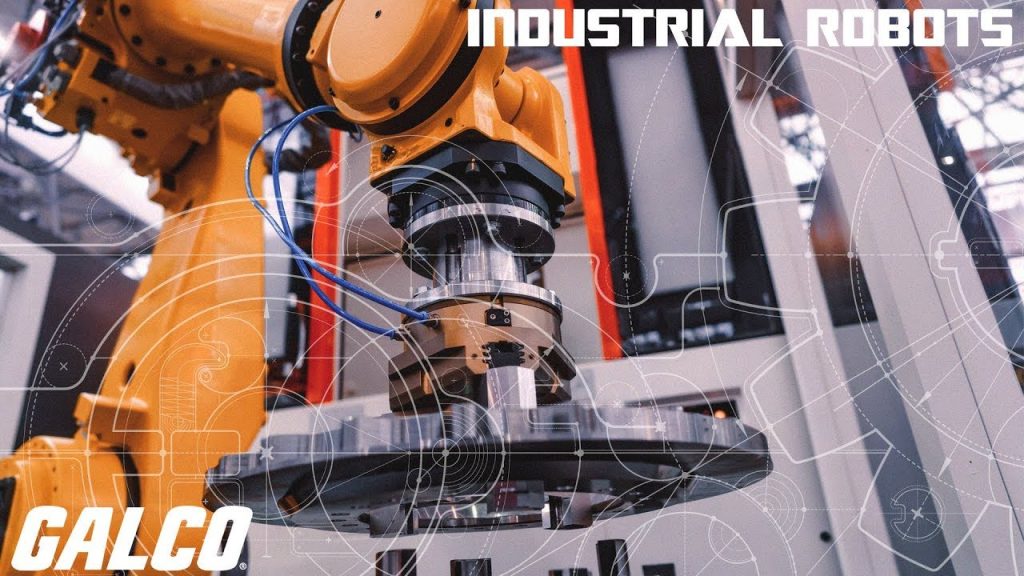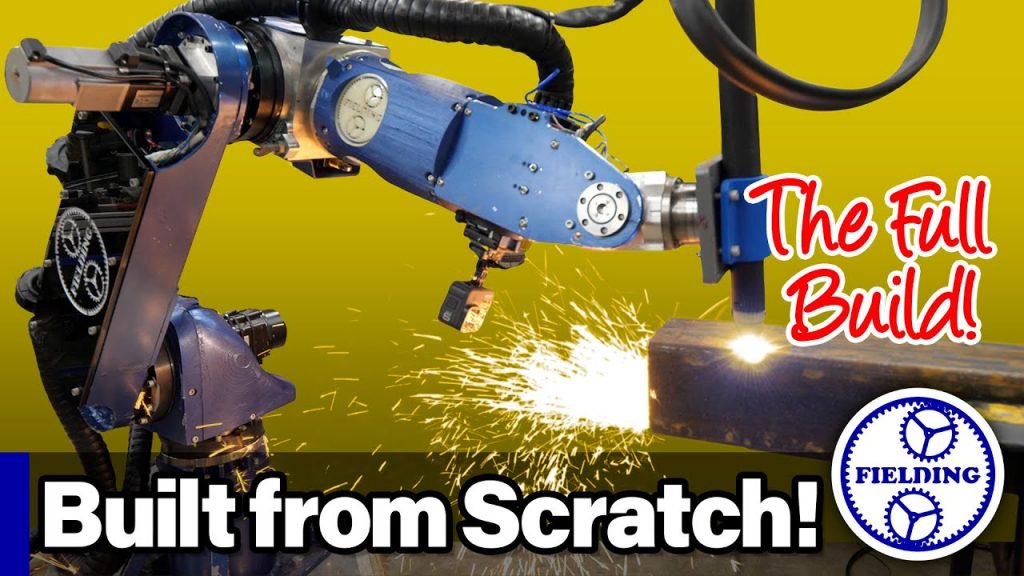

In this YouTube video, we will delve into the fascinating world of robotics and explore the various types of robot arm configurations. Additionally, we will discuss the advantages associated with each configuration. Join us as we uncover the secrets of Industrial Robot Types and delve into the realm of robotic arm configurations including Cartesian Coordinate, Cylindrical, Articulated, Spherical, and SCARA.
Robots have revolutionized numerous industries and have become an integral part of modern-day manufacturing processes. By understanding the different types of robot arm configurations, we can gain valuable insights into their functionalities and applications.
1. Cartesian Coordinate: This type of robot arm configuration operates on a three-dimensional Cartesian coordinate system. It moves along X, Y, and Z axes and is highly accurate in its movements. Cartesian robots are commonly used in pick and place operations, assembly lines, and material handling tasks.
2. Cylindrical: As the name suggests, cylindrical robots have a cylindrical work envelope. They operate on a polar coordinate system with rotary movements along the Z and theta axes. These robots excel in tasks that involve handling objects with circular or cylindrical shapes, such as arc welding and machine loading.
3. Articulated: Articulated robots are designed with multiple rotary joints, mimicking the movement of a human arm. They offer exceptional flexibility and dexterity, making them suitable for a wide range of applications. These robots are commonly used in tasks such as painting, welding, and assembly.
4. Spherical: Spherical robots, also known as polar robots, have a spherical work envelope. They operate on a polar coordinate system, allowing for smooth and precise movements. These robots are often utilized in applications that require a large range of motion, such as material handling and assembly tasks.
5. SCARA: SCARA stands for Selective Compliance Assembly Robot Arm. These robots have a unique configuration that combines rotational and linear movements. SCARA robots excel in tasks that require high-speed and precise movements, such as pick and place operations and assembly tasks.
Now that we have explored the different types of robot arm configurations, let’s discuss their advantages:
1. Increased Efficiency: Industrial robots with various arm configurations can significantly enhance productivity and efficiency in manufacturing processes. They can perform repetitive tasks with high accuracy and speed, reducing human errors and increasing overall production rates.
2. Enhanced Safety: By automating certain tasks, robots can eliminate the need for human workers to perform potentially hazardous operations. This not only improves safety but also reduces the risk of workplace accidents.
3. Versatility: Different arm configurations allow robots to perform a wide range of tasks, making them highly versatile. They can adapt to various applications, making them an ideal choice for industries with diverse production requirements.
4. Improved Quality: With precise movements and consistent performance, robots can ensure high-quality output in manufacturing processes. This leads to improved product quality and customer satisfaction.
In conclusion, the world of robotics offers a multitude of arm configurations, each with its own advantages and applications. By understanding the different types of robot arm configurations, we can harness their potential to revolutionize industrial operations.
Check out the leading manufacturer for professional coil packing solutions and explore the possibilities of integrating industrial robot types into your manufacturing processes. With their expertise and cutting-edge technology, they can provide you with tailored solutions that meet your specific requirements. Industrial Robot
“Exploring the Different Types of Robot Configurations: Cartesian Coordinate, Cylindrical, Articulated, Spherical, SCARA, and Industrial Robot Types”