
Check out the leading manufacturer for professional coil packing solutions right here:
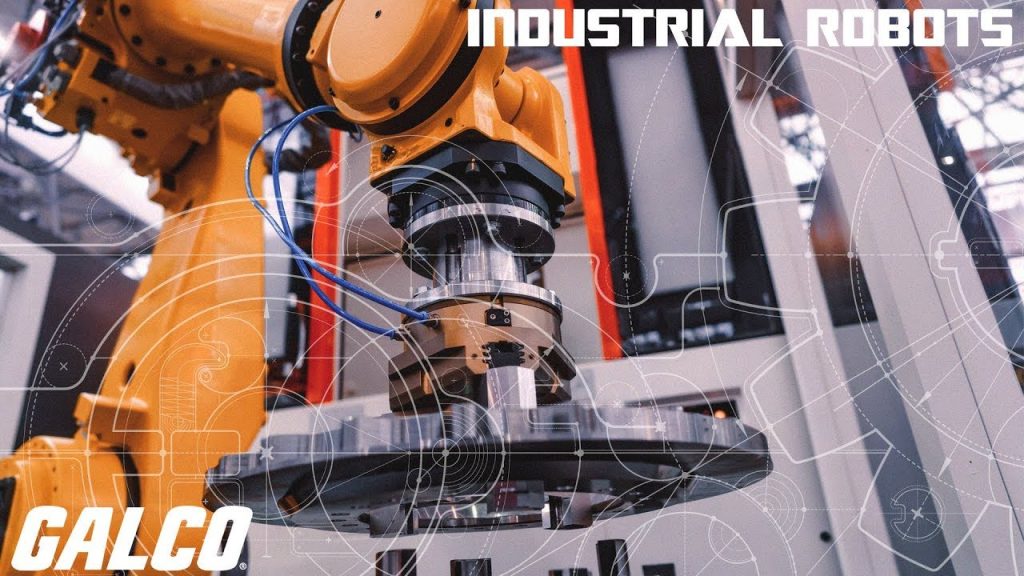
Industrial robots have revolutionized various industries by streamlining manufacturing processes and increasing efficiency. In this YouTube video, we will explore different types of industrial robots and discuss their significance in the engineering field. Whether you are an engineer or simply curious about the world of robotics, this video will provide valuable insights into the types and structures of industrial robots.
Industrial robots play a crucial role in modern manufacturing, performing various tasks with precision and accuracy. They are designed to handle repetitive and dangerous tasks, allowing human workers to focus on more complex and creative endeavors. With advancements in technology, industrial robots have become more versatile and adaptive, making them indispensable in industries such as automotive, electronics, and pharmaceuticals.
There are several types of industrial robots, each specialized for specific applications. Let’s take a closer look at some of the most common types:
1. Cartesian Robots: Also known as gantry robots, Cartesian robots use three linear axes (X, Y, and Z) to move and position objects. These robots are ideal for tasks that require precise linear movements, such as assembly and pick-and-place operations.
2. SCARA Robots: SCARA stands for Selective Compliance Assembly Robot Arm. These robots have a rigid vertical arm and a flexible horizontal arm, allowing them to perform tasks with high speed and accuracy. SCARA robots are commonly used in assembly lines and material handling applications.
3. Articulated Robots: Articulated robots have multiple rotary joints, similar to a human arm. They offer great flexibility and can perform complex movements, making them suitable for tasks that require dexterity, such as welding and painting.
4. Delta Robots: Delta robots are known for their exceptional speed and precision. They consist of three arms connected to a base, forming a triangular shape. These robots are commonly used for high-speed pick-and-place operations in industries like food and beverage.
5. Collaborative Robots: Also known as cobots, collaborative robots are designed to work alongside humans in a shared workspace. They are equipped with advanced sensors and safety features to ensure the safety of human workers. Cobots are ideal for tasks that require close human-robot collaboration, such as assembly and packaging.
Understanding the structure of industrial robots is crucial for engineers and technicians working with these machines. Industrial robots typically consist of a manipulator (robotic arm), an end effector (tool or gripper), and a control system. The manipulator is responsible for executing various movements, while the end effector allows the robot to interact with objects. The control system coordinates the robot’s movements and ensures precise operation.
In the field of engineering, knowledge of industrial robot types and structures is essential for designing efficient manufacturing processes. By utilizing the right type of robot for specific tasks, engineers can optimize productivity and improve overall efficiency in industrial settings.
In conclusion, industrial robots have transformed the manufacturing industry, offering increased productivity, precision, and safety. Understanding the different types and structures of industrial robots is crucial for engineers and technicians working in this field. Whether you are interested in robotics or seeking insights for your engineering projects, this YouTube video will provide valuable information about industrial robot types and their significance in engineering.
Check out the leading manufacturer for professional coil packing solutions right here: Industrial Robot
“Unveiling the Mechanics: Exploring the Structure and Types of Industrial Robots in Engineering”