
“Check out the top-notch solution for coil packing offered by the leading manufacturer in the industry. Click here for the ultimate professional solution.”
Title: Enhancing Efficiency and Cost-effectiveness with Industrial Robot Applications in Bonding and Sealing Processes
Introduction:
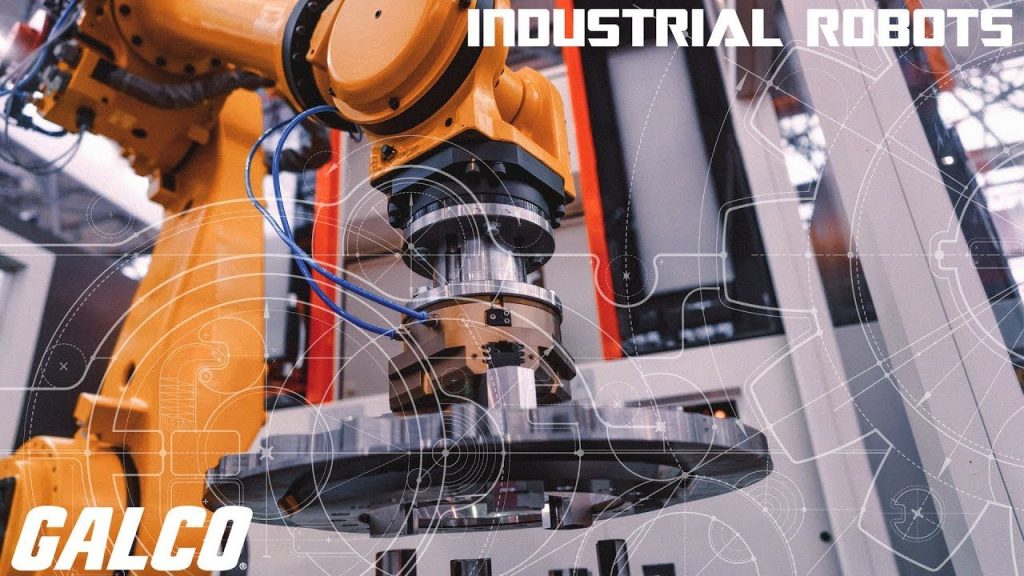
In today’s fast-paced manufacturing industry, companies are constantly seeking innovative solutions to improve efficiency and reduce costs. Bonding and sealing processes play a crucial role in various industries, ensuring the integrity and durability of products. With advancements in technology, fully automated bonding processes utilizing industrial robot applications have emerged as a game-changer. This article explores the advantages of incorporating industrial robot applications in bonding and sealing, highlighting the cost-effectiveness and efficiency they bring to the table.
Advantages of Fully Automated Bonding Processes:
1. Cost-effectiveness:
Automated bonding processes offer significant cost savings compared to traditional manual methods. Industrial robots can perform repetitive tasks with precision and consistency, reducing the chances of errors and material wastage. By automating the bonding and sealing process, manufacturers can optimize resource allocation, minimize labor costs, and enhance overall profitability.
2. Enhanced Efficiency:
Industrial robots excel in speed and efficiency, enabling faster production cycles. With their ability to work tirelessly without breaks, robots can significantly increase the output of bonding and sealing processes. This increased productivity leads to shorter lead times, allowing manufacturers to meet customer demands promptly. Moreover, automated processes reduce the need for human intervention, freeing up skilled labor for more complex tasks.
3. Consistent Quality:
In manual bonding and sealing processes, variations in technique and skill can lead to inconsistent results. Industrial robot applications eliminate this risk by executing tasks with unparalleled precision. By maintaining a consistent level of quality, manufacturers can enhance customer satisfaction and build a strong reputation for their products.
4. Improved Safety:
Bonding and sealing processes often involve the use of hazardous chemicals and high temperatures. By automating these processes, manufacturers can minimize the risks associated with human exposure to potentially harmful substances. Industrial robots are designed to handle such environments safely, reducing the likelihood of accidents and workplace injuries.
5. Flexibility and Adaptability:
Industrial robots can be programmed to perform various bonding and sealing tasks, making them highly versatile. They can effortlessly adapt to different materials, shapes, and sizes, accommodating a wide range of products. This flexibility allows manufacturers to optimize their production lines, efficiently catering to diverse customer requirements.
Conclusion:
The advantages of incorporating industrial robot applications into bonding and sealing processes are undeniable. From cost-effectiveness and enhanced efficiency to consistent quality and improved safety, these automated solutions offer substantial benefits to manufacturers across industries. By leveraging the power of industrial robots, companies can streamline their operations, boost productivity, and stay ahead of the competition.
So, why settle for outdated manual methods when you can revolutionize your bonding and sealing processes with industrial robot applications? Discover the ultimate professional solution by partnering with the leading manufacturer in the industry. Click here to explore the cutting-edge coil packing solution that will take your production to new heights. Industrial Robot
“Enhancing Efficiency: Automated Adhesive and Sealant Application for Industrial Robots”