
Title: “Efficient Automatic Plastic Injection Machine for Customized Automotive Lamp | ERBIWA”
Description:
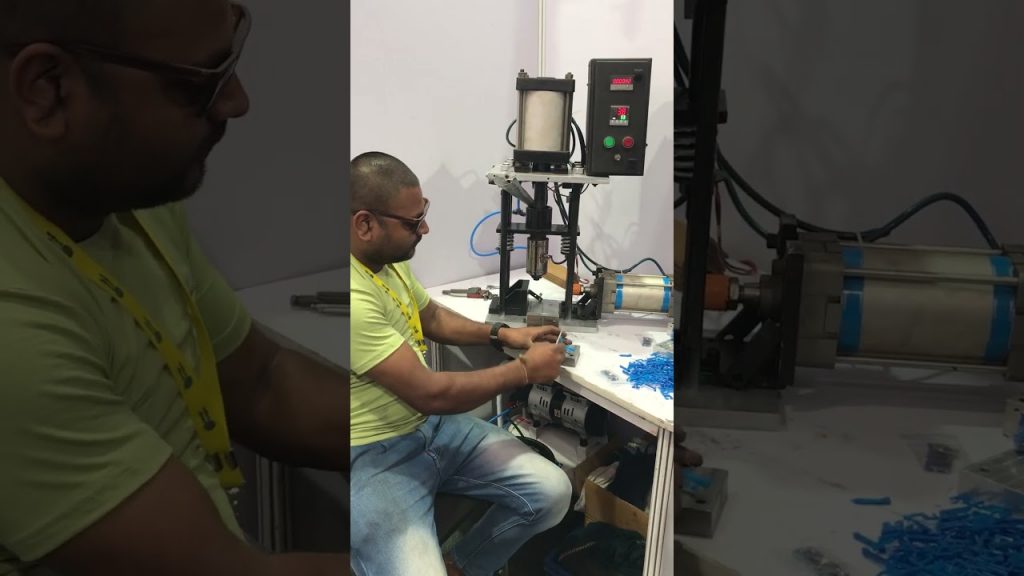
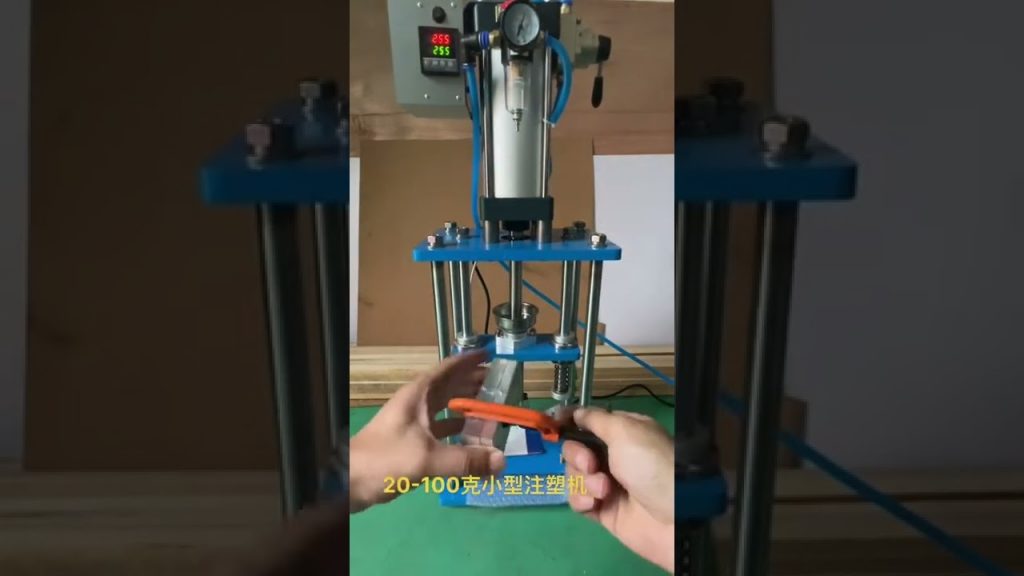
Welcome to ERBIWA, a trusted professional mould maker and plastic parts manufacturer in China for nearly 20 years. In this video, we showcase our cutting-edge Automatic Plastic Injection Machine and demonstrate its effectiveness in producing high-quality customized automotive lamps using the 2K Mould technique.
As industry leaders, we take pride in our expertise in automotive applications, ensuring that every product meets the highest standards. Our advanced injection molding trial guarantees precise and consistent results, while reducing production time and costs.
Join us as we delve into the operation steps of our Automatic Plastic Injection Machine, showcasing its efficiency, accuracy, and versatility. Witness the seamless integration of our state-of-the-art technology with the 2K Mould process, allowing for the creation of complex designs and improved functionality.
Throughout this video, we highlight the key points and interesting facts about our injection molding process, shedding light on the benefits it offers for customized automotive lamps. Our team’s extensive experience and dedication to quality ensure that our products consistently meet and exceed customer expectations.
We encourage you to like, subscribe, and share this video to support our channel and stay updated with our latest innovations. To enhance the visibility of this video, we have added relevant tags and keywords towards the end of the description. Feel free to explore the hashtags listed below to discover more insightful content related to our industry.
Thank you for choosing ERBIWA as your trusted partner in the automotive industry. Watch this video to witness the power of our Automatic Plastic Injection Machine and the exceptional quality it delivers for customized automotive lamps.
Title: Injection Molding Trial for Customized Automotive Lamp with 2K Mould
Introduction:
Injection molding trials play a crucial role in the production process of customized automotive lamps. This tilter provides a comprehensive overview of the steps involved in conducting a successful injection molding trial using a 2K mold. It covers the preparation, mold setup, material selection, machine parameters, and quality control aspects necessary to achieve optimal results.
Procedure:
1. Preparation:
a. Define the project requirements and specifications.
b. Determine the type and complexity of the automotive lamp design.
c. Identify the materials required for the 2K mold, such as thermoplastics and elastomers.
d. Ensure availability of necessary equipment, tools, and safety measures.
e. Establish a timeline for the trial process.
2. Mold Setup:
a. Inspect the 2K mold for any damages or defects.
b. Clean and lubricate the mold to ensure smooth operation.
c. Verify that all mold components are properly aligned and securely fastened.
d. Install necessary inserts, cores, and sliders according to the lamp design.
e. Conduct a dry run to ensure proper functioning of the mold.
3. Material Selection:
a. Choose suitable thermoplastic materials for the lamp’s main body.
b. Select appropriate elastomers for the lamp’s gaskets, seals, or other flexible parts.
c. Take into account environmental factors, durability, and aesthetics during material selection.
d. Ensure compatibility between the chosen materials and the 2K mold.
4. Machine Parameters:
a. Set the injection molding machine to the recommended temperature for each material.
b. Adjust injection speed, pressure, and cooling time based on the materials’ characteristics.
c. Optimize the clamping force and mold open/close speed for efficient production.
d. Fine-tune the machine parameters to achieve the desired quality and dimensional accuracy.
5. Injection Molding Trial:
a. Conduct a trial run by injecting the chosen thermoplastic material for the lamp’s main body.
b. Inspect the molded part for any defects, such as flash, sink marks, or warpage.
c. Adjust the machine parameters accordingly to rectify any issues observed.
d. Repeat the trial process for the elastomer material used in the lamp’s gaskets or seals.
e. Evaluate the overall quality, fit, and functionality of the molded parts.
6. Quality Control:
a. Measure critical dimensions of the molded parts using appropriate tools.
b. Conduct visual inspections to ensure the absence of defects or imperfections.
c. Perform functional testing, including assembly and electrical compatibility checks.
d. Compare the trial results with the initial specifications to verify compliance.
e. Document all trial data, observations, and improvements made for future reference.
Conclusion:
Conducting an injection molding trial for customized automotive lamps with a 2K mold requires careful planning, precise mold setup, suitable material selection, and optimization of machine parameters. By following this tilter, manufacturers can ensure a successful trial process that leads to high-quality, customized automotive lamps that meet the desired specifications.Plastic Injection Machine
#Injection #Molding #Trial #Customized #Automotive #Lamp #Mould