
Title: The Essential Role of Slitting Lines, Cut to Length and Slitting Lines, and Automatic Metal Cutting Lines in Sheet Metal Processing
Description:
Introduction:
In this informative video, we delve into the crucial role that Slitting Lines, Cut to Length and Slitting Lines, and Automatic Metal Cutting Lines play in the sheet metal processing industry. Whether used independently or in combination, these advanced machinery are indispensable for any sheet metal manufacturer. Join us as we explore the significance and benefits of these cutting-edge technologies.
Video Content:
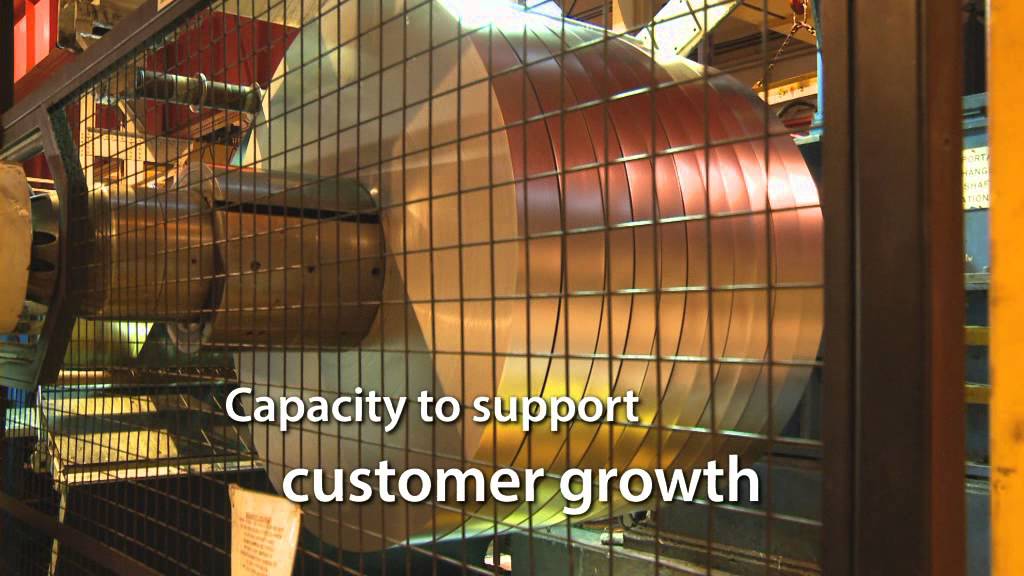
– Understanding the Role of Slitting Lines: Discover how Slitting Lines enable manufacturers to efficiently and accurately cut long rolls of sheet metal into narrower strips. We discuss the various components and processes involved, highlighting their impact on enhancing productivity and reducing material waste.
– Unveiling the Power of Cut to Length and Slitting Lines: Dive into the world of Cut to Length and Slitting Lines, where precision and versatility are key. We explore how these lines enable manufacturers to produce custom-sized sheet metal pieces, catering to specific project requirements. Gain insights into the machinery’s features and operational steps that guarantee high-quality outputs.
– Exploring Automatic Metal Cutting Lines: Witness the revolution in sheet metal processing with Automatic Metal Cutting Lines. We shed light on how these cutting lines automate the metal cutting process, significantly improving efficiency and precision. Learn about the advanced technologies incorporated and the advantages they bring to manufacturers.
Call to Action:
If you found this video informative and engaging, we encourage you to hit the like button, subscribe to our channel for more industry insights, and share this video with your peers. Stay up-to-date with the latest advancements in sheet metal processing by joining our community of passionate professionals.
Additional Tags and Keywords: Slitting Lines, Cut to Length, Slitting Lines, Automatic Metal Cutting Lines, sheet metal processing, sheet metal manufacturer, machinery, technology, productivity, precision, efficiency, custom-sized pieces, operational steps, advanced technologies.
Hashtags: #SlittingLines #CutToLength #AutomaticMetalCutting #SheetMetalProcessing #ManufacturingTechnology #IndustryInsights
A tilter for Cut to Length and Slitting Lines is a critical component that is responsible for tilting and positioning the coils or sheets accurately before further processing. Here is a basic framework for a tilter:
1. Import necessary libraries and modules:
“`python
import time
import RPi.GPIO as GPIO
“`
2. Define GPIO pins for controlling the tilter:
“`python
tilter_up_pin = 17
tilter_down_pin = 18
“`
3. Set up GPIO mode and initial states:
“`python
GPIO.setmode(GPIO.BCM)
GPIO.setup(tilter_up_pin, GPIO.OUT)
GPIO.setup(tilter_down_pin, GPIO.OUT)
GPIO.output(tilter_up_pin, GPIO.LOW)
GPIO.output(tilter_down_pin, GPIO.LOW)
“`
4. Define functions for tilting operations:
“`python
def tilt_up():
GPIO.output(tilter_up_pin, GPIO.HIGH)
GPIO.output(tilter_down_pin, GPIO.LOW)
time.sleep(0.5) # Adjust the delay as per your requirements
GPIO.output(tilter_up_pin, GPIO.LOW)
def tilt_down():
GPIO.output(tilter_up_pin, GPIO.LOW)
GPIO.output(tilter_down_pin, GPIO.HIGH)
time.sleep(0.5) # Adjust the delay as per your requirements
GPIO.output(tilter_down_pin, GPIO.LOW)
“`
5. Implement a control loop for the tilter:
“`python
while True:
command = input(“Enter the tilt command (‘u’ for up, ‘d’ for down): “)
if command == ‘u’:
tilt_up()
elif command == ‘d’:
tilt_down()
else:
print(“Invalid command. Try again.”)
“`
6. Clean up GPIO and exit gracefully:
“`python
GPIO.cleanup()
“`
This is a basic example of a tilter for Cut to Length and Slitting Lines. You can modify it according to your specific requirements and integrate it with the rest of your system. Additionally, you may need to consider safety measures and error handling to ensure smooth operation.Steel Coil Slitting Line
#Cut #length #slitting #lines