Bagging Machine Operations: A Comprehensive Guide
Introduction:
Bagging machines play a crucial role in various industries, including the food industry, agriculture, and manufacturing. These machines automate the packaging process, ensuring efficiency, accuracy, and consistency. In this article, we will explore the operations of bagging machines, with a focus on rice bagging machines equipped with PLC (Programmable Logic Controller) technology. So, whether you are a business owner, a sales engineer, or simply curious about bagging machine operations, this article is for you!
I. Bagging Machine Operations: An Overview
To understand the intricate workings of bagging machines, let’s take a closer look at their operations. Bagging machines are designed to pack products into bags or containers. The process involves several steps, including product feeding, bag opening, product filling, bag sealing, and bag discharge.
1. Product Feeding:
Bagging machines are equipped with a product feeding system that ensures a steady supply of products to be packed. Depending on the specific machine, the feeding system may utilize gravity, conveyor belts, or other mechanisms to transport the products to the bagging area.
2. Bag Opening:
Once the products are ready to be packed, the bagging machine opens the bags. This can be done manually or automatically, depending on the machine’s capabilities. Automatic bag opening systems use vacuum suction or mechanical arms to open and position the bags correctly.
3. Product Filling:
The next step in the bagging process is product filling. This is where the products are accurately measured and dispensed into the open bags. Rice bagging machines equipped with PLC technology ensure precise measurements, minimizing wastage and maximizing efficiency. PLCs allow for precise control over the filling process, ensuring consistent weights and reducing human error.
4. Bag Sealing:
After the bags are filled with the desired amount of product, they need to be sealed to ensure proper containment. Bagging machines use various sealing methods, including heat sealing, stitching, and adhesive sealing, depending on the bag and product requirements. PLC-controlled machines offer advanced sealing options, such as adjustable sealing parameters and temperature control, to achieve optimal results.
5. Bag Discharge:
Once the bags are sealed, they are discharged from the machine for further processing or distribution. Bagging machines may incorporate conveyors or other mechanisms to efficiently transport the filled bags to the next stage in the production line.
II. Case Study: Rice Bagging Machine PLC Operation
To provide a real-world example of bagging machine operations, let’s delve into the operation of a rice bagging machine equipped with PLC technology.
1. Efficient Production:
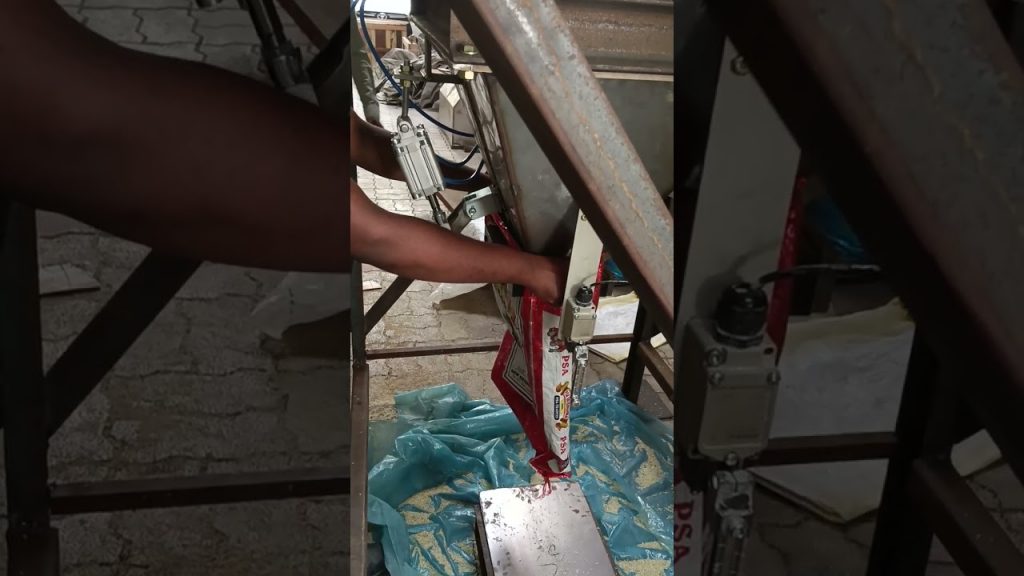
A rice processing plant recently invested in a state-of-the-art rice bagging machine equipped with PLC technology. This machine revolutionized their packaging process by offering precise weighing and filling capabilities. The PLC system allowed them to set specific weight parameters, ensuring consistency and reducing product giveaway. The automated operation also eliminated the need for manual intervention, resulting in increased productivity and reduced labor costs.
2. Enhanced Accuracy:
The rice bagging machine’s PLC system enabled the plant to achieve unparalleled accuracy in their packaging process. The system’s sensors and feedback mechanisms ensured that each bag was filled with the exact weight of rice, eliminating variations and enhancing customer satisfaction. Additionally, the PLC technology allowed for easy adjustments and calibration, ensuring optimal performance and minimizing downtime.
III. In-depth Analysis: The Future of Bagging Machine Operations
As technology continues to advance, bagging machine operations are poised to undergo significant transformations. Here are some key trends and predictions for the future:
1. Integration of Artificial Intelligence:
AI-powered bagging machines can analyze data in real-time, optimizing packaging processes, and identifying potential issues before they impact production. These machines can self-adjust their operations based on changing conditions, leading to increased efficiency and reduced waste.
2. Sustainability and Eco-friendly Packaging:
With growing environmental concerns, bagging machine manufacturers are focusing on developing eco-friendly packaging solutions. Future bagging machines may incorporate biodegradable and recyclable materials, reducing the environmental impact of packaging processes.
IV. Conclusion:
Bagging machine operations are crucial for businesses in various industries, ensuring efficient and accurate packaging processes. Rice bagging machines equipped with PLC technology offer enhanced productivity, accuracy, and consistency. As technology continues to advance, bagging machines will become even more sophisticated, integrating AI and eco-friendly packaging solutions.
Check the coil packing solution with a leading manufacturer for the professional solution just here: [Insert relevant CTA/Link] bagging machine
“Efficient Rice Bagging Machine Operations: Streamlining PLC Control for Optimal Packaging”