
Food Packing Systems: Revolutionizing the Packaging of Food Products
Introduction:
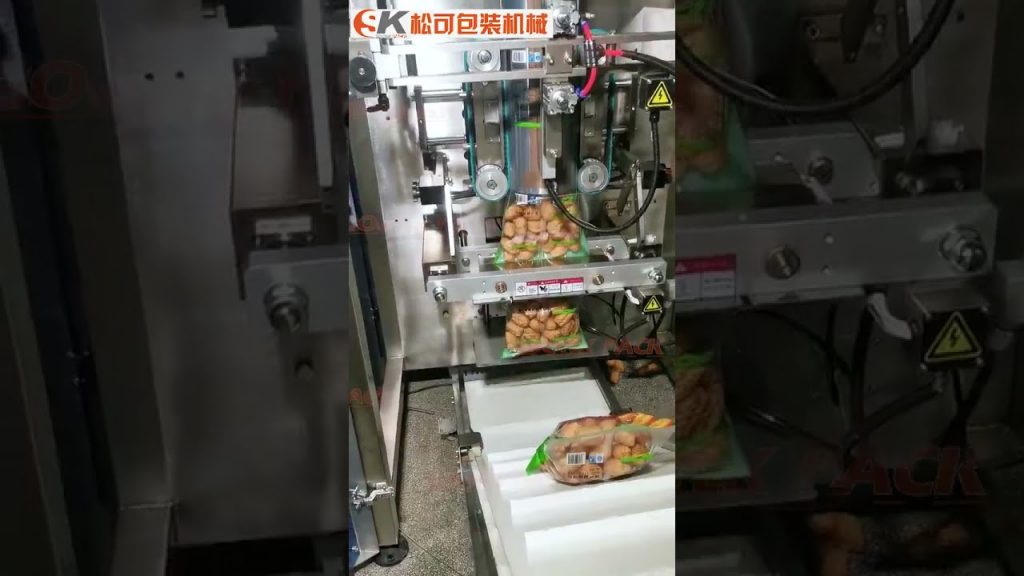
In today’s fast-paced world, the packaging industry plays a crucial role in ensuring the safety, preservation, and presentation of various food products. From beans and rice to legumes and short pasta, the demand for efficient and reliable packaging solutions for small-format food items is on the rise. This is where Food Packing Systems come into the picture. Designed specifically for the packaging of such products in pillow bags or similar formats, these systems have revolutionized the way food products are packed and delivered to consumers. In this article, we will delve into the world of Food Packing Systems, exploring their importance, functionality, and impact on the food industry.
Food Packing Systems: Enhancing Efficiency and Reliability
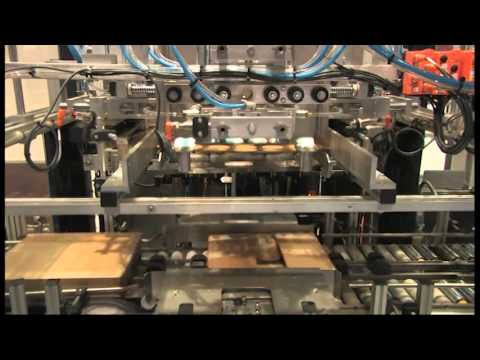
Food Packing Systems have transformed the packaging process by introducing advanced automation and cutting-edge technology. These systems are equipped with state-of-the-art machinery that ensures precise measurements, accurate sealing, and reliable packaging of food products. By automating the packaging process, these systems eliminate the need for manual labor, reducing the chances of human errors and enhancing overall efficiency.
Moreover, Food Packing Systems offer a wide range of customization options, allowing manufacturers to adapt to the specific requirements of different food products. Whether it’s adjusting bag sizes, incorporating branding elements, or ensuring proper product presentation, these systems provide flexibility and versatility.
The Importance of Packaging Food Products in Small Formats:
Packaging food products in small formats has become increasingly popular due to changing consumer preferences and evolving market trends. Small-format packaging offers numerous advantages, both for the consumers and the manufacturers. From a consumer perspective, small-format packaging provides convenience, portion control, and easy storage. It allows individuals to enjoy a variety of food products without worrying about wastage or spoilage.
For manufacturers, packaging food products in small formats opens up new market opportunities and enables them to cater to the rising demand for on-the-go and single-serving options. It also allows for better inventory management, reduces transportation costs, and minimizes the risk of product damage during transit.
Food Packing Systems: A Game-Changer for the Food Industry
Food Packing Systems have brought about a paradigm shift in the way food products are packaged, ensuring efficiency, reliability, and quality. These systems offer several key benefits that have made them indispensable for the food industry:
1. Speed and Productivity: Food Packing Systems are designed to handle high volumes of packaging, significantly increasing productivity and reducing production time. With their automated processes, these systems can package a large number of products in a fraction of the time compared to manual methods.
2. Enhanced Product Safety: The advanced technology incorporated in Food Packing Systems ensures proper sealing, preventing contamination and preserving the freshness and quality of food products. This is particularly crucial for perishable items that require airtight packaging to maintain their integrity.
3. Cost Savings: By eliminating the need for manual labor and streamlining the packaging process, Food Packing Systems help reduce operational costs for manufacturers. These systems also minimize material wastage, leading to additional cost savings in the long run.
4. Improved Shelf Appeal: Food Packing Systems allow for precise and consistent packaging, resulting in attractive and visually appealing products on the store shelves. The ability to incorporate branding elements, nutritional information, and product details enhances the overall presentation of food items, catching the attention of consumers.
Check the coil packing solution with a leading manufacturer for the professional solution just here:
In conclusion, Food Packing Systems have revolutionized the packaging of beans, rice, legumes, short pasta, and other small-format food products. With their advanced automation, customization options, and efficiency, these systems have become an integral part of the food industry. As the demand for convenience and quality continues to grow, Food Packing Systems will play a crucial role in meeting consumer expectations and ensuring the safe delivery of food products. Packing System
“Efficient Packaging Solutions for Small Food Formats: Enhancing Food Packing Systems with Optimal Strategies and Techniques”