
Title: Mastering the Art of Automatic Plastic Injection Machine for Small Chair Making: Second Hand Mould Running Process
Description:
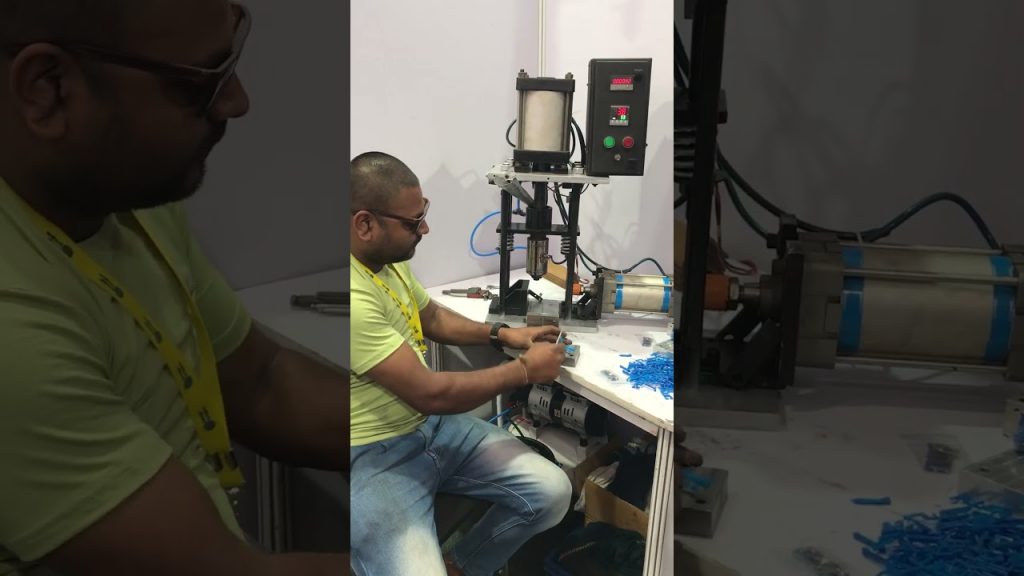
Welcome to our comprehensive video on the process of small chair making using an automatic plastic injection machine, specifically focusing on the second hand mould running process. In this detailed tutorial, we will guide you through the key steps involved in injection molding, showcasing the seamless operation of the machine and its significance in the manufacturing industry.
Introduction:
This video aims to provide a step-by-step demonstration of the automatic plastic injection machine, emphasizing its role in the small chair making process and the utilization of second hand moulds. By understanding the intricate details of this efficient manufacturing technique, you can gain valuable insights into the world of injection molding.
Video Content:
1. Overview of Injection Molding: Discover the fundamental principles behind injection molding and its widespread application in various industries. Understand how this technique revolutionizes the production of plastic components.
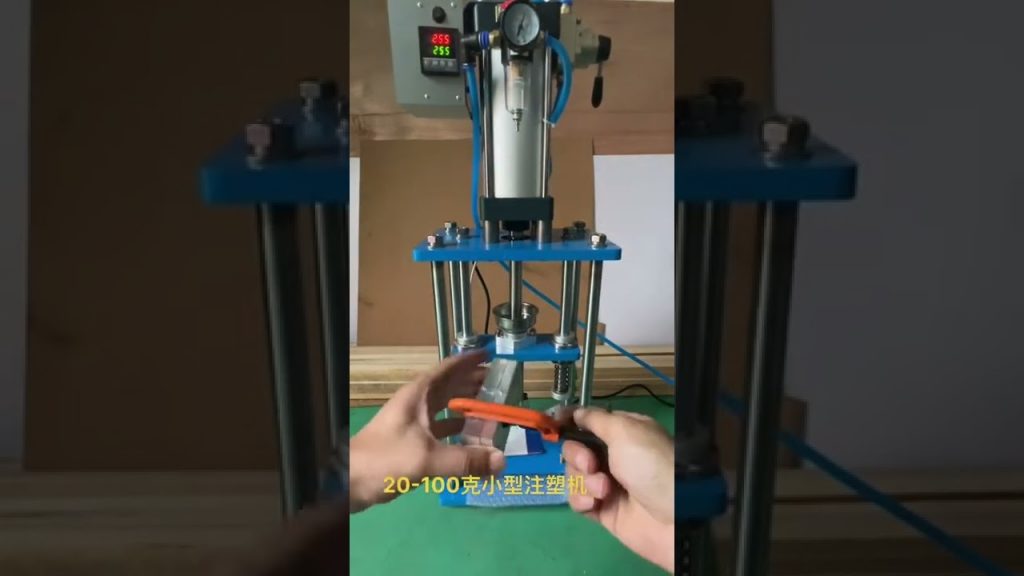
2. Unveiling the Automatic Plastic Injection Machine: Get acquainted with the advanced features and functionalities of the automatic plastic injection machine. Learn about its robust construction, user-friendly interface, and precise control mechanisms.
3. Small Chair Making Process: Dive into the specifics of creating small chairs using an automatic plastic injection machine. Explore the design considerations, material selection, and mold preparation required for manufacturing high-quality chairs efficiently.
4. Second Hand Mould Running Process: Gain insights into the benefits and challenges associated with using second hand moulds in the injection molding process. Discover the key factors to consider when selecting and preparing a second hand mould for optimal production outcomes.
5. Operation Steps: Step-by-step, we will guide you through the operation of the automatic plastic injection machine, highlighting each critical stage involved in the small chair making process. From mold loading to product ejection, understand the intricacies and best practices to achieve exceptional results.
Call to Action:
If you found this video informative and insightful, we encourage you to hit the like button, subscribe to our channel, and share this valuable content with others who may benefit from it. Stay tuned for more engaging videos on injection molding and other manufacturing processes.
Additional Tags and Keywords:
Automatic Plastic Injection Machine, Small Chair Making, Second Hand Mould Running Process, Injection Molding Machine, Manufacturing Process, Plastic Components, Design Considerations, Material Selection, Mold Preparation, Operation Steps, High-Quality Chairs, Manufacturing Efficiency, Injection Molding Tutorial.
Hashtags:
#AutomaticPlasticInjectionMachine #SmallChairMaking #InjectionMoldingProcess #ManufacturingTechnique #SecondHandMouldRunning #PlasticComponents #InjectionMoldingTutorial
Title: Automated Injection Molding Process for Small Chair Manufacturing Using Second-Hand Molds
Introduction:
In the world of furniture manufacturing, small chairs are in high demand due to their versatility and practicality. To meet this demand efficiently, an automated injection molding process can be implemented, utilizing second-hand molds. This tilter aims to outline the steps involved in the automatic injection molding machine process for small chair manufacturing, using pre-owned molds.
Process Overview:
1. Mold Preparation:
a. Acquire second-hand molds specifically designed for small chair production.
b. Inspect the molds for any damages or defects and repair them if necessary.
c. Clean and lubricate the molds to ensure smooth operation during injection.
2. Injection Molding Machine Setup:
a. Choose an appropriate injection molding machine based on the size and specifications of the small chairs.
b. Install the mold onto the machine, ensuring it is securely fastened.
c. Configure the machine’s settings, such as temperature, pressure, and injection speed, according to the material being used.
3. Material Preparation:
a. Select a suitable raw material, such as plastic pellets, for the chair manufacturing process.
b. Load the material into the machine’s hopper, ensuring an adequate supply for continuous production.
c. Set the required material parameters on the machine, such as temperature and drying time, to optimize material quality.
4. Injection Process:
a. Start the injection molding machine and allow it to warm up to the designated temperature.
b. Once the desired temperature is reached, the machine automatically feeds the plastic material into the heating barrel.
c. The material is melted, homogenized, and pressurized within the barrel.
d. The molten plastic is then injected into the mold cavity through a nozzle, conforming to the shape of the small chair.
e. The machine applies a predetermined cooling cycle to solidify the plastic within the mold.
5. Ejection and Finishing:
a. Once the plastic has solidified, the machine initiates the ejection process.
b. The mold opens, and the formed small chair is ejected from the cavity using ejector pins or air assist.
c. The machine trims any excess plastic and performs any necessary finishing operations, such as removing flash or excess material.
d. The finished chairs are collected for further quality control checks and packaging.
Conclusion:
By implementing an automatic injection molding machine process utilizing second-hand molds, the manufacturing of small chairs can be streamlined and cost-effective. This tilter has provided a comprehensive overview of the various steps involved, from mold preparation to ejection and finishing, ensuring consistent production of high-quality small chairs.Plastic Injection Machine
#small #chair #making #process #hand #mould #running #process #Injection #molding #machine #automatic