Check out the leading manufacturer for the best coil packing solution here:
Hey there, folks! In this exciting YouTube video, we will delve into the captivating history of Industrial Robots. Many of us work with these incredible machines on a daily basis, so it’s high time we explore their origins and different types. Join us as we embark on a journey through time and technology!
Industrial Robots have come a long way since their inception. These mechanical marvels have revolutionized industries across the globe, enhancing productivity and efficiency like never before. In this article, we will provide you with a comprehensive overview of Industrial Robot Types and delve into the fascinating history behind these incredible machines.
When it comes to Industrial Robot Types, there are several classifications that you should be familiar with. Each type serves a specific purpose and facilitates unique tasks in various industries. By understanding the different types, you can better appreciate the versatility and functionality of these robots.
1. Cartesian Robots: These robots operate in a three-dimensional Cartesian coordinate system, allowing for precise and controlled movements. They are widely used in assembly lines, material handling, and pick-and-place operations.
2. SCARA Robots: SCARA stands for Selective Compliance Assembly Robot Arm. These robots are known for their high-speed and precision, making them ideal for applications such as electronics manufacturing, packaging, and assembly.
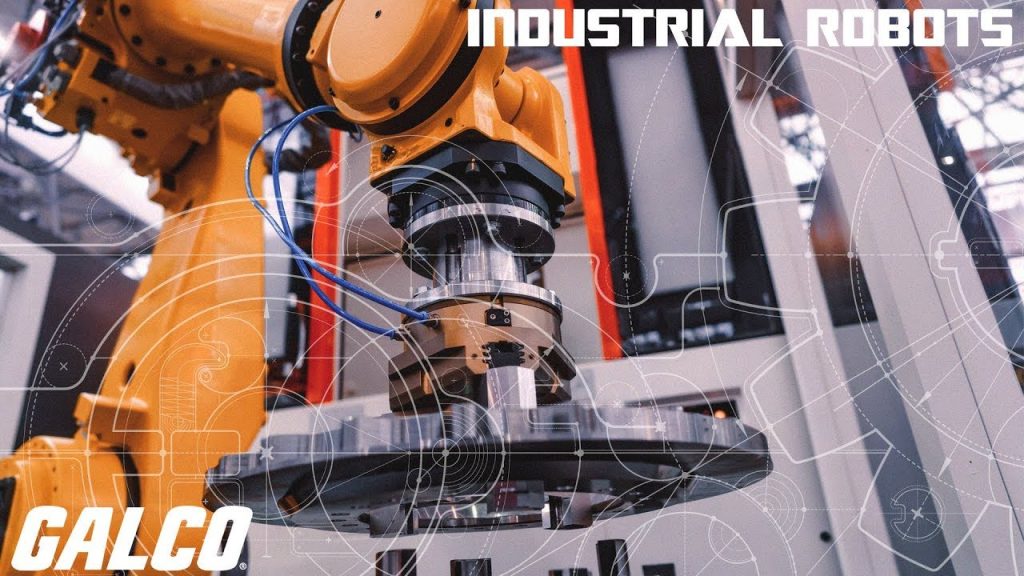
3. Articulated Robots: As the name suggests, these robots have articulated joints, allowing for a wide range of motion. They are commonly used in welding, painting, and material handling applications.
4. Delta Robots: Delta robots are characterized by their speed and agility. They are commonly found in pick-and-place operations, packaging, and food processing industries.
5. Collaborative Robots: Also known as cobots, these robots are designed to work alongside humans, enhancing productivity and safety. They are revolutionizing industries such as healthcare, automotive, and electronics assembly.
Now that we have explored the various Industrial Robot Types, let’s dive into the captivating history of these machines. Industrial Robots have a rich and intriguing past, filled with groundbreaking advancements and milestones. Understanding their history allows us to appreciate the immense progress made in the field of robotics.
Industrial robots first emerged in the 1960s when the Unimate, the world’s first industrial robot, was introduced by General Motors. This groundbreaking invention paved the way for the automation revolution, forever changing the landscape of industries worldwide.
Since then, Industrial Robots have evolved rapidly, with advancements in technology enabling them to perform increasingly complex tasks. From the early days of simple pick-and-place operations to the sophisticated robots of today, the history of Industrial Robots is a testament to human ingenuity and innovation.
In conclusion, Industrial Robots have played a crucial role in transforming industries and revolutionizing the way we work. Understanding the different types of robots and their rich history allows us to fully appreciate their impact on our daily lives.
We hope you enjoyed this captivating journey into the world of Industrial Robots. If you’re looking for the best coil packing solution, make sure to check out the leading manufacturer. They offer professional solutions tailored to your specific needs. Don’t miss out on the opportunity to enhance your packaging process with top-notch quality and reliability.
Remember, the world of Industrial Robots is constantly evolving, so stay tuned for more exciting updates and advancements. Until next time, keep exploring, innovating, and embracing the power of technology!
Keywords: Industrial Robot Types, History of Industrial Robots, coil packing solution, leading manufacturer. Industrial Robot
“The Evolution and Classification of Industrial Robots: Tracing the Historical Development and Varied Types”