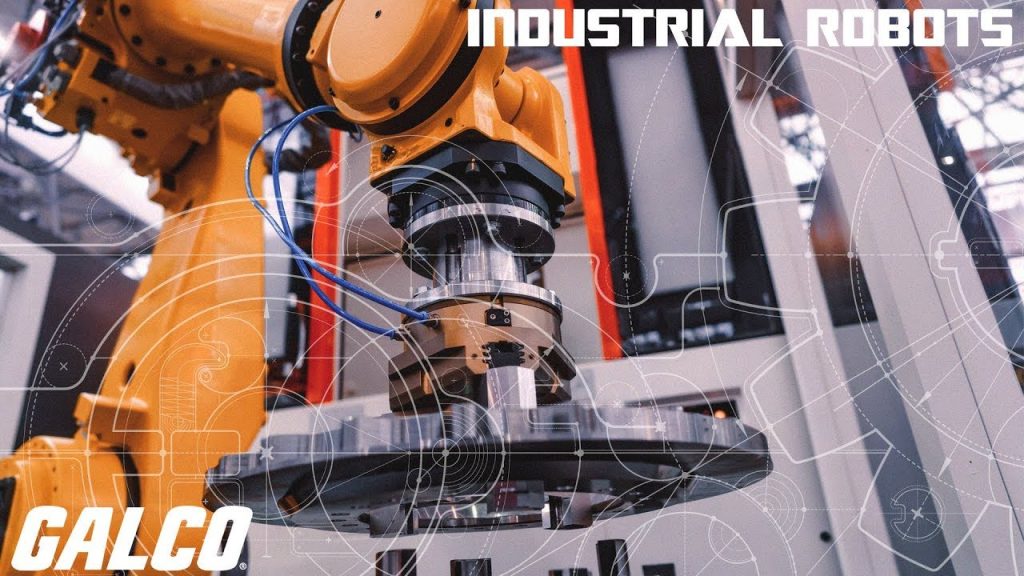
animation shows the different types of robotic configurations commonly used in various industries. This visually engaging video is accompanied by the captivating background music, “Heading West” by an undisclosed artist. In this article, we will delve into the fascinating world of industrial robot types, providing valuable insights and references to enhance your understanding. So, sit back, relax, and let’s explore the realm of industrial robots!
Industrial robots are revolutionizing the way industries operate, enhancing productivity, efficiency, and precision. These mechanical marvels are designed to perform various tasks with minimal human intervention, making them an essential part of modern-day manufacturing processes. Let’s dive into the different types of industrial robots showcased in the video and shed light on their functionalities.
1. Cartesian Robots:
Cartesian robots, also known as gantry or rectangular coordinate robots, are characterized by their three linear axes of motion. These robots utilize a Cartesian coordinate system to move along each axis independently. Their precise and predictable movement makes them ideal for tasks that require accurate positioning, such as pick-and-place operations and assembly lines.
2. SCARA Robots:
SCARA robots, which stands for Selective Compliance Assembly Robot Arm, are widely used in applications that demand rapid and precise horizontal movements. These robots feature a rigid vertical arm and a rotating joint at the base, allowing them to perform tasks with high-speed and repeatability. SCARA robots excel in tasks like assembly, material handling, and packaging.
3. Articulated Robots:
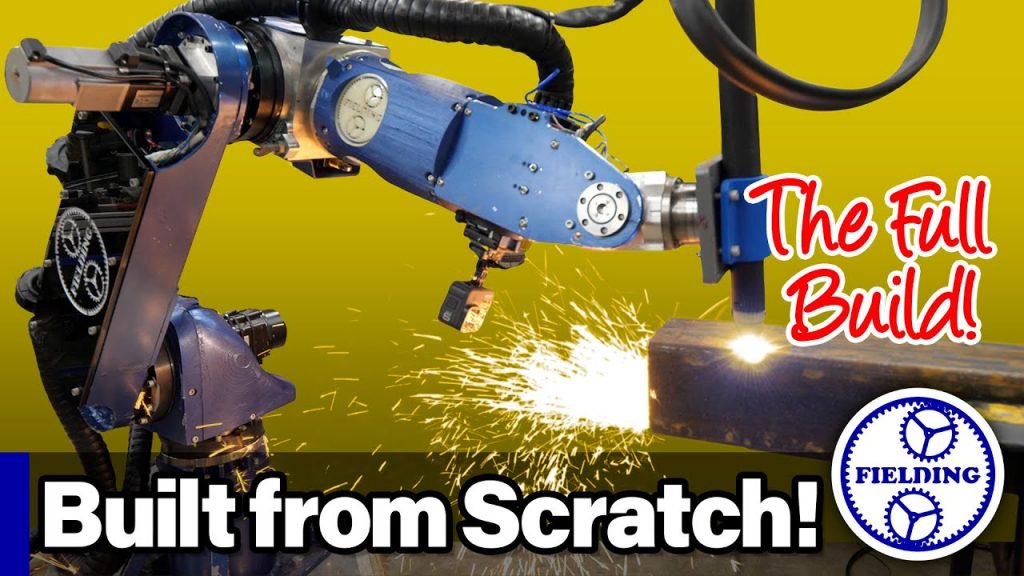
Articulated robots are perhaps the most recognizable type of industrial robots. With their multi-joint structure resembling a human arm, they offer excellent flexibility and dexterity. These robots are capable of performing complex movements with ease, making them suitable for tasks that require intricate manipulation, such as welding, painting, and material removal.
4. Delta Robots:
Delta robots, also known as parallel robots, are designed for high-speed and precision applications. These robots consist of multiple arms connected to a common base, allowing them to move quickly in a coordinated manner. Delta robots are commonly used in industries where rapid picking, packaging, and sorting are required, such as food processing and pharmaceuticals.
5. Collaborative Robots:
Collaborative robots, or cobots, have gained significant popularity in recent years due to their ability to work alongside humans safely. These robots are equipped with advanced sensors and technology that enable them to detect and respond to human presence, ensuring a safe working environment. Cobots find applications in tasks that require close collaboration between humans and robots, such as assembly, testing, and material handling.
The video provides a captivating glimpse into the world of industrial robot types, showcasing their diverse capabilities and applications. Whether it’s the precision of Cartesian robots, the speed of SCARA robots, the flexibility of articulated robots, the agility of delta robots, or the collaboration of cobots, industrial robots are transforming industries worldwide.
In conclusion, industrial robots play a pivotal role in streamlining manufacturing processes and improving productivity. The video serves as an excellent introduction to the various types of industrial robots and their unique functionalities. We hope this article has provided valuable insights and references for your understanding of industrial robot types. If you’re interested in exploring further and discovering the optimal coil packing solution, we invite you to check out leading manufacturers in the industry. They offer professional solutions tailored to your specific requirements. Industrial Robot
“Exploring the Variety of Industrial Robots: A Comprehensive Overview of Robot Types in Modern Manufacturing”