
Check out the coil packing solution with a leading manufacturer for a professional solution here:
When it comes to packaging food, one of the biggest challenges is ensuring its freshness and preventing spoilage. When food is packed in air, it becomes susceptible to three main spoilage mechanisms: oxidation, microbial growth, and enzymatic reactions. To combat these spoilage mechanisms, many food manufacturers turn to Modified Atmosphere Food Packaging (MAP).
MAP involves modifying the composition of the air surrounding the food in order to extend its shelf life. This is done by replacing the air with a mixture of gases that are specifically chosen to inhibit the growth of spoilage microorganisms and slow down enzymatic reactions. Some common gases used in MAP include carbon dioxide, nitrogen, and oxygen.
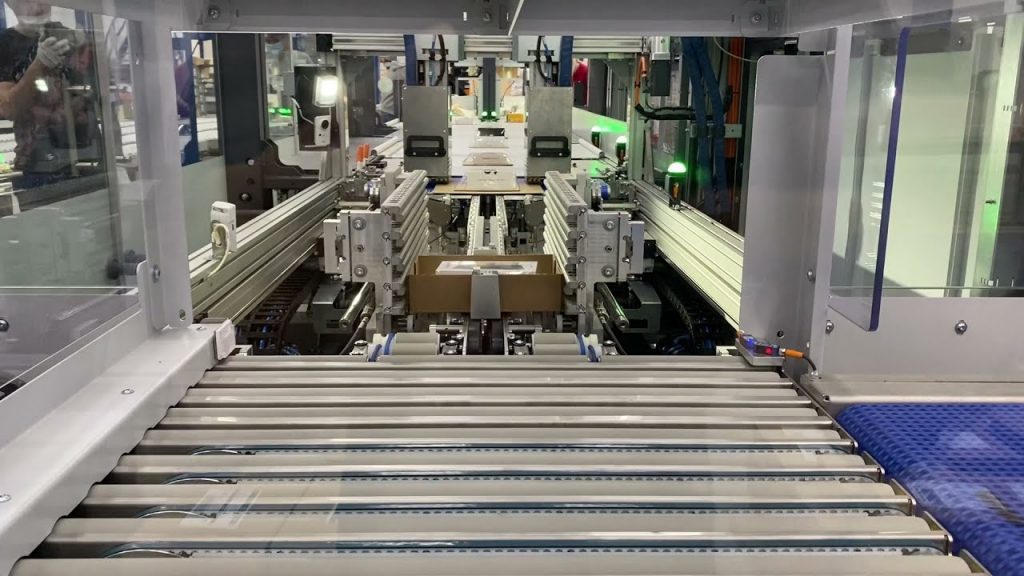
So, how does MAP work? In a typical MAP system, the food is first placed in a packaging container, such as a bag or a tray. The container is then sealed, and the air inside is replaced with the desired gas mixture. This is usually done using a packing line, which is a series of machines that automate the packaging process.
There are several benefits to using a packing line for MAP. First and foremost, it allows for precise control over the gas composition and the packaging process. This ensures that the food is packed in the optimal conditions for maximum freshness and shelf life. Additionally, packing lines can handle large volumes of food, making them ideal for industrial-scale production.
One of the key benefits of MAP is the extended shelf life it provides for food products. By inhibiting the growth of spoilage microorganisms and slowing down enzymatic reactions, MAP can significantly increase the time that food stays fresh. This not only reduces food waste but also allows manufacturers to distribute their products over larger distances without the risk of spoilage.
Another benefit of MAP is the preservation of food quality. By controlling the gas composition and packaging conditions, MAP helps to maintain the sensory attributes of the food, such as taste, color, and texture. This is particularly important for sensitive food products, such as fresh produce and meat, where even slight changes in the packaging environment can affect the quality.
In addition to these benefits, MAP also offers increased product safety. By inhibiting the growth of spoilage microorganisms, MAP reduces the risk of foodborne illnesses caused by bacterial contamination. This is especially crucial in the food industry, where consumer safety is of utmost importance.
To implement MAP effectively, food manufacturers need reliable and efficient packing line solutions. These packing lines should be able to handle different types of food products and packaging materials, while also providing precise control over the gas composition and packaging process.
In conclusion, Modified Atmosphere Food Packaging (MAP) is a powerful tool for extending the shelf life and preserving the quality of food products. By using a packing line for MAP, food manufacturers can enjoy the benefits of increased shelf life, improved product quality, and enhanced food safety. So, if you’re in the food industry, don’t miss out on the advantages of packing line solutions for MAP. Check out the coil packing solution with a leading manufacturer for a professional solution today!
Remember, when it comes to packaging food, it’s not just about protecting the product – it’s about ensuring that consumers can enjoy fresh and high-quality food for longer periods of time. Automatic packing line
“Enhancing Food Freshness: Unveiling the Mechanics, Advantages, Gas Composition, Requirements, and Packaging Line Benefits of Modified Atmosphere Food Packaging”