
Title: Automated Palletizers: Enhancing Efficiency with FANUC Robotic Palletizing Systems and Kaufman Engineered Systems
Description:
Introduction:
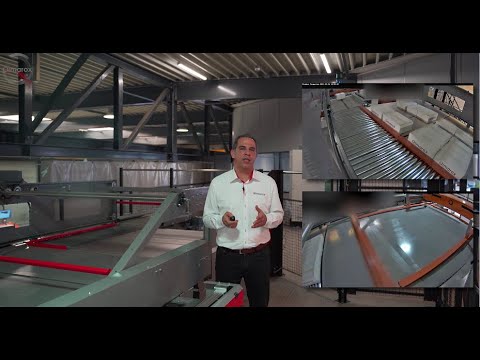
Welcome to our informative video on Automated Palletizers, specifically focusing on the remarkable capabilities of Automated FANUC Robotic Palletizing Systems and Kaufman Engineered Systems. In this video, we will explore the benefits, features, and operational steps of these advanced systems, including Stretch Wrappers and Case Packer Equipment.
Video Content:
1. Overview of Automated Palletizers:
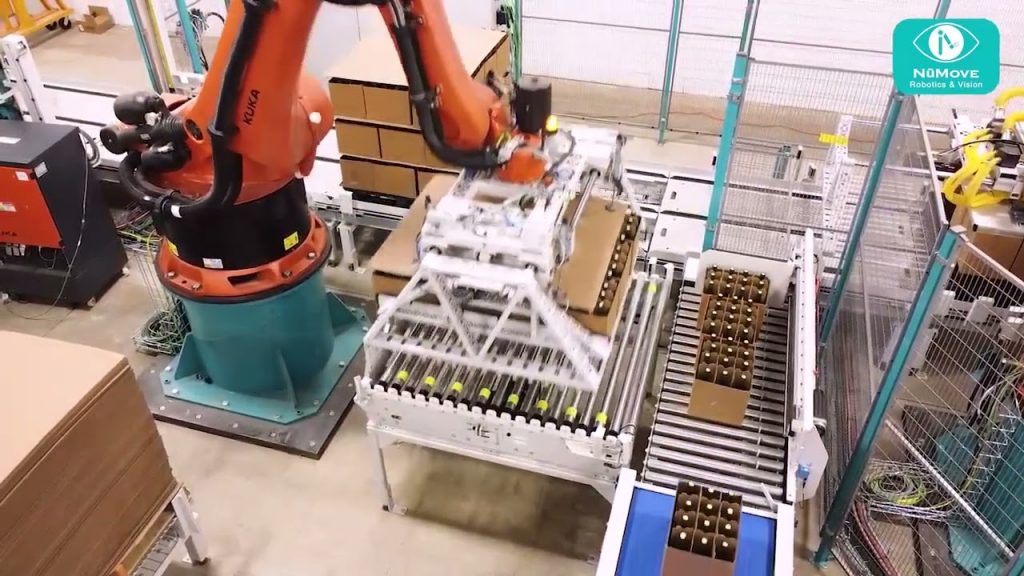
Automated Palletizers revolutionize the packaging industry by streamlining and optimizing the palletizing process. These systems employ cutting-edge technology, such as FANUC Robotic Palletizing Systems and Kaufman Engineered Systems, to efficiently handle and stack various products on pallets.
2. Key Features and Advantages:
a. FANUC Robotic Palletizing Systems:
– Unparalleled Precision: FANUC robots provide exceptional accuracy in palletizing, ensuring consistent stacking patterns.
– Flexibility and Versatility: These systems can handle a wide range of product shapes, sizes, and weights, accommodating diverse industries.
– Increased Productivity: Automated palletizers significantly enhance efficiency by reducing manual labor, minimizing errors, and maximizing throughput.
b. Kaufman Engineered Systems:
– Tailored Solutions: Kaufman offers customizable palletizing solutions to meet specific industry requirements, ensuring optimal performance.
– Seamless Integration: These systems seamlessly integrate with existing production lines, minimizing disruptions and downtime.
– Advanced Safety Features: Kaufman prioritizes safety, incorporating features like safety fencing and sensors, ensuring a secure working environment.
3. Operational Steps:
a. Product Infeed: Products are introduced into the palletizing system through a conveyor or other feeding mechanism. The system is designed to handle various types of products, including cartons, bags, bottles, and more.
b. Product Orientation and Stacking: The automated system orients the products appropriately and stacks them according to the predetermined pattern. This process ensures stability during transportation and storage.
c. Pallet Handling: The system efficiently manages the pallets, including their positioning, movement, and retrieval.
d. Stretch Wrapping and Case Packing: Some automated palletizing systems, like Kaufman’s, offer additional features such as stretch wrapping and case packing, providing a comprehensive packaging solution.
Call to Action:
If you found this video informative and helpful, please consider liking and subscribing to our channel for more valuable content. Don’t forget to share this video with others who might benefit from learning about Automated Palletizers.
Additional Tags and Keywords: Automated Palletizers, FANUC Robotic Palletizing Systems, Kaufman Engineered Systems, Stretch Wrappers, Case Packer Equipment, packaging industry, efficiency, productivity, precision, flexibility, safety, operational steps, pallet handling, product infeed, product orientation, stacking, stretch wrapping, case packing.
Hashtags: #AutomatedPalletizers #RoboticPalletizingSystems #KaufmanEngineeredSystems #StretchWrappers #CasePackerEquipment #PackagingIndustry #Efficiency #Productivity #Precision #Flexibility #Safety #OperationalSteps #PalletHandling #ProductInfeed #ProductOrientation #Stacking #StretchWrapping #CasePacking
A tilter for Automated FANUC Robotic Palletizing Systems is a program that controls the tilting mechanism of the robot to efficiently stack and arrange items on pallets. Here is a sample code for such a tilter:
“`python
import fanuc
def tilter_main():
# Initialize the FANUC robot and palletizing system
robot = fanuc.Robot()
palletizer = fanuc.Palletizer()
# Set the initial position of the tilter mechanism
tilter_angle = 0
# Main tilter loop
while True:
# Check for any new items to be palletized
new_items = palletizer.get_new_items()
if new_items:
# Calculate the desired tilt angle based on the weight and size of the items
desired_tilt_angle = calculate_tilt_angle(new_items)
# Move the tilter mechanism to the desired angle
move_tilter(tilter_angle, desired_tilt_angle)
# Update the current tilt angle
tilter_angle = desired_tilt_angle
# Palletize the items using the FANUC robot
robot.palletize_items(new_items)
# Check for any manual adjustments to the tilter angle
manual_tilt_angle = palletizer.get_manual_tilt_angle()
if manual_tilt_angle is not None:
# Move the tilter mechanism to the manually adjusted angle
move_tilter(tilter_angle, manual_tilt_angle)
# Update the current tilt angle
tilter_angle = manual_tilt_angle
def calculate_tilt_angle(items):
# Calculate the desired tilt angle based on the weight and size of the items
# Implement your own logic here based on the specific requirements of your palletizing system
return 45 # Example tilt angle of 45 degrees
def move_tilter(current_angle, desired_angle):
# Move the tilter mechanism from the current angle to the desired angle
# Implement your own logic here based on the specific mechanism and control system of your tilter
print(f”Moving tilter from {current_angle} to {desired_angle} degrees”)
# Run the tilter program
tilter_main()
“`
Please note that this is a simplified example, and you would need to modify the code to fit your specific robotic palletizing system and tilter mechanism.Palletizerse
#Automated #FANUC #Robotic #Palletizing #Systems