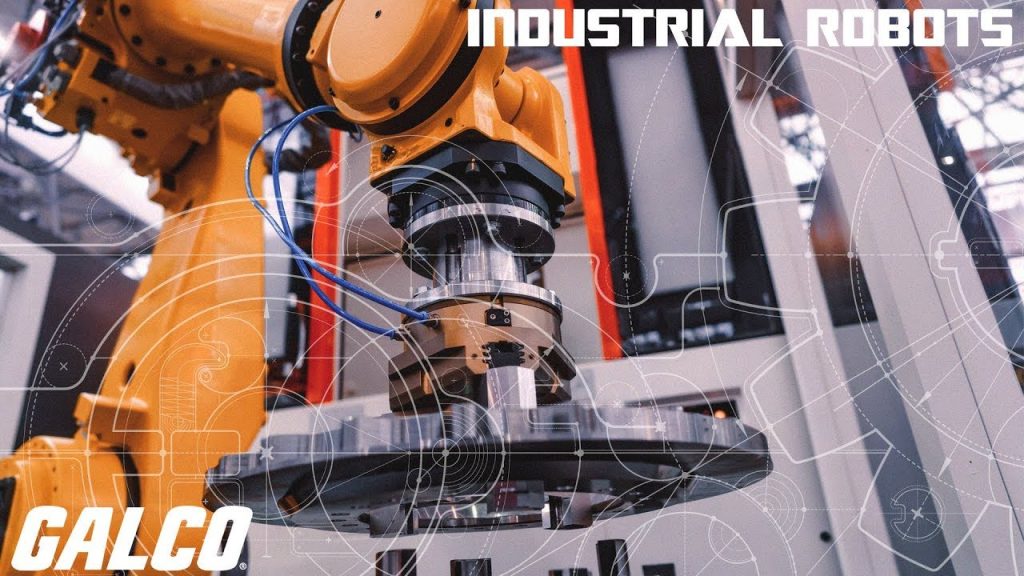
Check out the cutting-edge Industrial Robot Technology in action at a White Castle restaurant just outside of Chicago! In this exciting YouTube video, we introduce you to Flippy, a remarkable robot that runs the fry station with its mechanical arm and computer interface. Join us as we explore the capabilities of this innovative technology and discuss the potential impact on the future of fast food workers.
With the rise of automation and artificial intelligence, many industries are exploring the use of robots to streamline operations and improve efficiency. The fast food industry is no exception, and Flippy is leading the way in transforming the fry station experience. Equipped with advanced Industrial Robot Technology, Flippy is capable of performing various tasks with precision and speed, ensuring consistent quality in every batch of fries.
Using a mechanical arm, Flippy effortlessly flips and stirs fries, ensuring they are perfectly cooked to golden perfection. Its computer interface allows for seamless integration with the fry station, enabling it to monitor cooking times and adjust parameters for optimal results. With its ability to work tirelessly without breaks or distractions, Flippy significantly enhances productivity in the kitchen.
But what does this mean for fast food workers? As technology continues to advance, there is a growing concern about the potential replacement of human workers by robots. While Flippy’s capabilities are impressive, it is important to remember that its role is not to replace jobs, but rather to augment and assist human workers. By taking over repetitive and mundane tasks, Flippy frees up employees to focus on more complex and customer-oriented roles, such as order taking and food preparation.
Furthermore, the integration of Industrial Robot Technology in the fast food industry can lead to improved safety and hygiene standards. Robots like Flippy adhere to strict protocols, ensuring that food is handled and cooked in a controlled and sanitary manner. This reduces the risk of contamination and promotes a safer dining experience for customers.
Overall, the introduction of Industrial Robot Technology in fast food establishments like White Castle presents exciting possibilities for the future. While concerns about job displacement are valid, it is crucial to recognize that robots are not here to replace humans, but to work alongside them. By leveraging the strengths of both humans and robots, the fast food industry can achieve new levels of efficiency, quality, and customer satisfaction.
In conclusion, Flippy, the robot running the fry station at a White Castle outside of Chicago, showcases the incredible potential of Industrial Robot Technology in the fast food industry. Its mechanical arm and computer interface revolutionize the cooking process, enhancing productivity and ensuring consistent quality. While concerns about job displacement exist, it is important to view robots as partners rather than competitors. Together, humans and robots can create a harmonious and efficient future for the fast food industry.
Check out the video to witness Flippy in action and discover the transformative power of Industrial Robot Technology. Stay tuned for more exciting advancements in this rapidly evolving field!
Note: This article is for informational purposes only and does not endorse any specific company or product. Industrial Robot
“Revolutionizing the Fast Food Industry: The Impact of Industrial Robot Technology on Fast Food Workers”