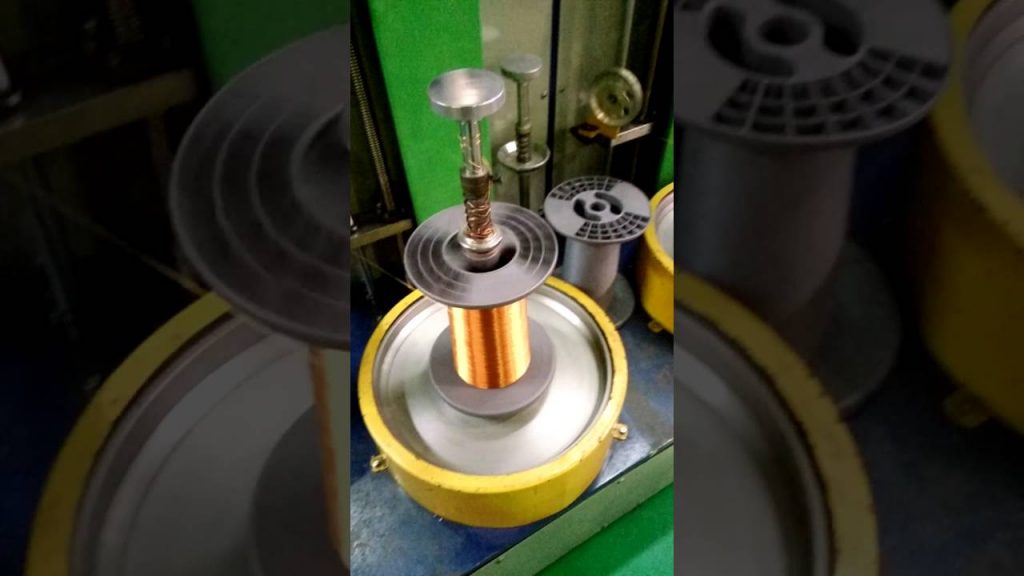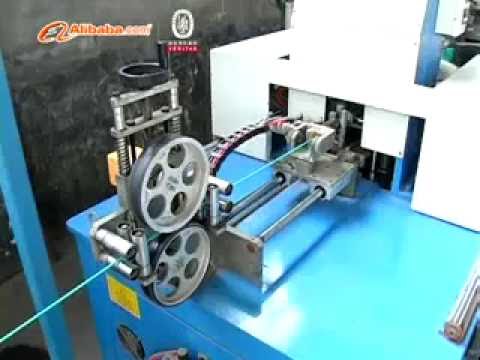

If you are looking for a comprehensive guide to wire production basics, then you have come to the right place. In this article, we will explore the ins and outs of wire production and the cable cutting production process. Whether you are a sales engineer or simply someone interested in understanding the fundamentals of wire production, this article will provide you with valuable insights.
Wire production is a crucial aspect of many industries, including electrical, automotive, construction, and telecommunications. Understanding the basics of wire production can help you make informed decisions and ensure the highest quality standards for your projects. So, let’s dive into the world of wire production basics.
Wire Production Basics: An Overview
Wire production involves the manufacturing of wires from various materials such as copper, aluminum, and steel. The process starts with the selection of raw materials, which undergo a series of steps to transform them into usable wires. These steps include wire drawing, annealing, stranding, insulation, and cable cutting.
Wire Drawing: The First Step
Wire drawing is the initial step in wire production. It involves reducing the diameter of the wire by pulling it through a series of dies. This process not only reduces the diameter but also improves the wire’s mechanical properties. Wire drawing can be done manually or using automated machinery, depending on the scale of production.
Annealing: Enhancing the Wire’s Properties
After wire drawing, the wires undergo the annealing process. Annealing involves heating the wires to a specific temperature and then slowly cooling them. This process helps in relieving internal stresses and improves the wire’s ductility and conductivity. Annealing is critical for ensuring the wire’s performance in various applications.
Stranding: Creating Multi-Wire Cables
Stranding is the process of twisting multiple wire strands together to form a cable. This step enhances the overall strength and flexibility of the wire. The number of strands and the direction of twisting can vary depending on the desired properties of the cable. Stranding is crucial for applications that require higher tensile strength and durability.
Insulation: Protecting the Wires
Insulation is the process of covering the wire with a protective coating to prevent electrical leakage and external damage. Various materials, such as PVC, polyethylene, and cross-linked polyethylene, are used for insulation depending on the application requirements. Insulation not only protects the wire but also enhances its electrical performance and durability.
Cable Cutting: The Final Step
Once the wires are insulated, they undergo the cable cutting process. Cable cutting involves cutting the insulated wires to the desired length for specific applications. This step ensures that the wires are ready for installation and use in various industries. Cable cutting can be done manually or using automated machinery, depending on the production volume.
Conclusion: Understanding Wire Production Basics
In conclusion, wire production basics involve several crucial steps, including wire drawing, annealing, stranding, insulation, and cable cutting. Each step plays a vital role in ensuring the quality and performance of the wires. Whether you are a sales engineer or simply interested in the wire production process, having a solid understanding of these basics is essential.
Check the coil packing solution with a leading manufacturer for the professional solution. Steel wire production line
“Unlocking the Secrets of Cable Cutting and Wire Production: A Comprehensive Guide to the Production Process”