
General Considerations for Selection of Robots
Introduction
Robots have become an integral part of modern industries, revolutionizing the way we manufacture and automate various processes. With their ability to perform repetitive tasks with precision and efficiency, industrial robots have become a game-changer for many businesses. However, choosing the right robot for your specific needs can be a daunting task. In this article, we will explore some general considerations to keep in mind when selecting a robot for your industrial applications.
Understanding Industrial Robot Applications
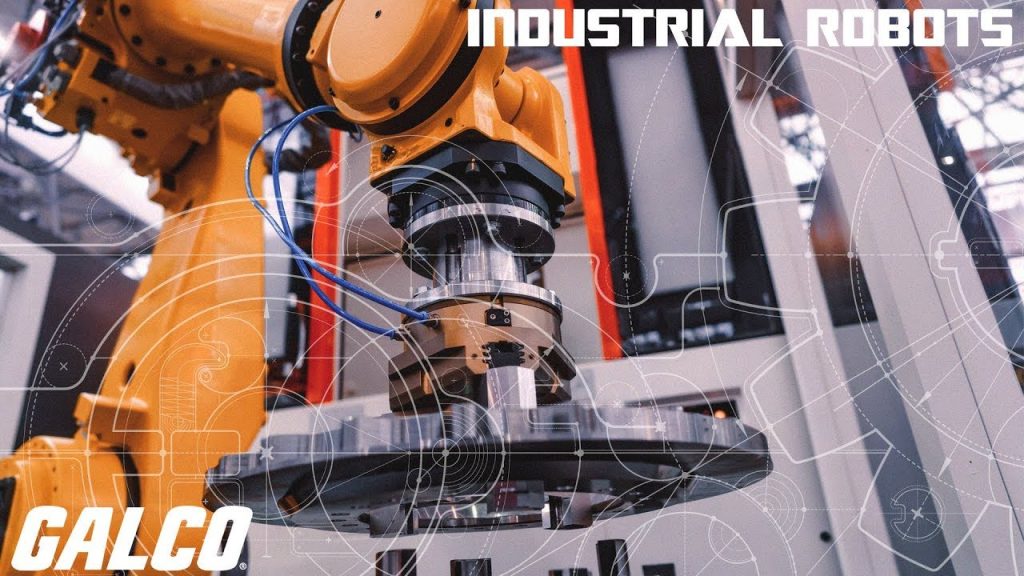
Industrial robots find applications in a wide range of industries, including automotive, electronics, food and beverage, pharmaceuticals, and many more. These versatile machines are designed to perform tasks such as assembly, welding, painting, packaging, material handling, and inspection. Understanding the specific application requirements is crucial when selecting a robot that can deliver optimal performance.
Factors to Consider
1. Payload Capacity: The payload capacity refers to the maximum weight a robot can handle. It is important to choose a robot that can handle the weight of the objects it will be working with. Overloading the robot can lead to decreased efficiency and potential damage to the equipment.
2. Reach and Workspace: The reach of a robot determines the maximum distance it can move in all directions. Consider the size and shape of the workspace where the robot will be operating. Ensure that the robot’s reach is sufficient to perform the required tasks within the given workspace.
3. Speed and Accuracy: Robots are known for their ability to perform tasks quickly and accurately. Depending on the application, you may need a robot with high-speed capabilities or one that offers precise movements. Consider the required speed and accuracy when selecting a robot.
4. Safety: Safety is a critical aspect of any industrial environment. Ensure that the selected robot has built-in safety features such as collision detection, emergency stop buttons, and safety barriers to protect workers and prevent accidents.
5. Programming and Flexibility: The ease of programming and flexibility of the robot is essential for adapting to changing production needs and tasks. Look for robots that offer user-friendly programming interfaces and can be easily reprogrammed for different applications.
6. Cost: The cost of the robot and its integration into your existing systems should be considered. While it is important to stay within budget, it is equally important to ensure that the chosen robot offers the required functionality and performance for your specific application.
Applications of Industrial Robots
Now that we have discussed some general considerations for selecting a robot, let’s explore some common applications of industrial robots across various industries.
1. Assembly: Robots are widely used for assembly tasks, including fastening, inserting, and joining components. They offer high precision and speed, ensuring consistent quality and efficiency in the assembly process.
2. Welding: Industrial robots excel in welding applications, providing accurate and repeatable welds. They can handle various welding techniques such as arc, spot, and laser welding, improving the overall quality and productivity of the welding process.
3. Painting: Robots are extensively used in painting applications, offering precise control and uniform application of paint. They eliminate human error and reduce paint wastage, resulting in cost savings and improved finish quality.
4. Packaging: Industrial robots play a crucial role in the packaging industry, offering fast and accurate packaging solutions. They can handle different packaging materials and shapes, improving productivity and reducing manual labor.
5. Material Handling: Robots are widely used for material handling tasks, including picking, placing, and transferring objects. They can handle heavy loads with ease, reducing the risk of injuries and increasing overall efficiency.
Conclusion
Selecting the right robot for your industrial applications requires careful consideration of various factors such as payload capacity, reach, speed, accuracy, safety, programming flexibility, and cost. By understanding the specific requirements of your application and exploring the wide range of industrial robot applications, you can make an informed decision that will enhance your productivity, efficiency, and overall business performance.
Check the coil packing solution with a leading manufacturer for a professional solution tailored to your specific needs. Industrial Robot
“Revolutionizing Industries: Unleashing the Power of Industrial Robots for Enhanced Efficiency and Automation”