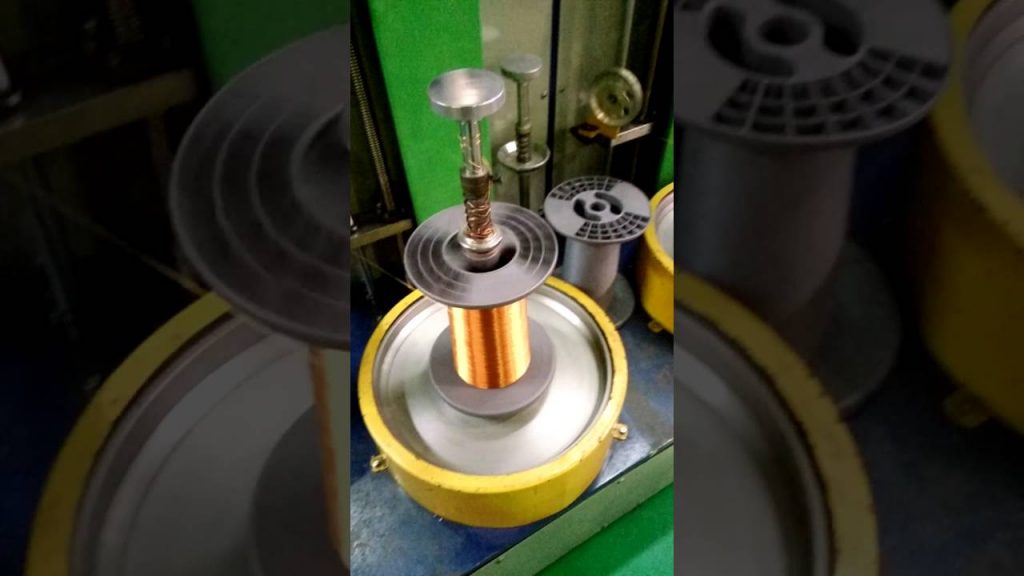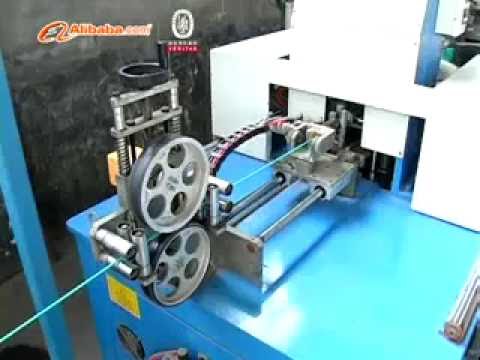

Check out the video on Understanding Wire Production to gain a comprehensive insight into the backbone of modern communications systems. From high-speed Internet connections to various electronic devices, cables play a crucial role in powering our interconnected world. In this article, we will delve into the intricacies of wire production and explore the processes involved in creating reliable and efficient cables.
Wire production is a complex and intricate process that requires precision and expertise. Understanding the various stages involved in wire production is essential to ensure the manufacture of high-quality cables. Let’s take a closer look at the steps involved:
1. Raw Material Selection:
The first step in wire production is selecting the appropriate raw materials. Copper and aluminum are commonly used due to their excellent electrical conductivity. The quality of the raw materials directly impacts the performance and durability of the cables.
2. Wire Drawing:
Wire drawing is the process of reducing the diameter of the wire by pulling it through a series of dies. This process helps in enhancing the conductivity and strength of the wire. The wire is drawn multiple times to achieve the desired diameter.
3. Annealing:
Annealing is a heat treatment process that involves heating the wire to a specific temperature and then slowly cooling it. This process helps in reducing the brittleness of the wire and makes it more flexible and malleable.
4. Insulation:
Insulation is crucial to protect the wire from external factors and ensure safe and reliable transmission of electrical signals. Various insulation materials, such as PVC, polyethylene, and Teflon, are used based on the specific requirements of the cables.
5. Jacketing:
Jacketing involves covering the insulated wire with an outer protective layer. This layer provides additional mechanical protection and safeguards the wire from environmental factors like moisture, heat, and abrasion.
6. Twisting and Cabling:
In certain applications, multiple wires are twisted together to form a cable. This process helps in reducing electromagnetic interference and increasing the overall strength of the cable.
7. Testing:
Before the cables are ready for use, they undergo rigorous testing to ensure their quality and reliability. Tests such as conductivity, insulation resistance, and voltage withstand are performed to meet industry standards.
Understanding wire production is vital not only for manufacturers but also for end-users. It allows us to appreciate the complexity and precision involved in creating cables that power our everyday lives. Whether it’s seamless internet connectivity, efficient power transmission, or reliable communication systems, cables play a significant role in keeping us connected.
In conclusion, the video on Understanding Wire Production provides valuable insights into the intricate process of cable manufacturing. From raw material selection to testing, each step contributes to the creation of high-quality cables. The knowledge gained from understanding wire production empowers us to make informed choices when it comes to selecting and utilizing cables for various applications.
Check out the video to dive deeper into the world of wire production and gain a comprehensive understanding of the backbone of modern communication systems. Steel wire production line
“Demystifying Cable Plants and Testing: A Comprehensive Guide to Wire Production and Quality Assessment”