
Check out the leading manufacturers for professional coil packing solutions here:
In this lesson, we will delve into the fascinating world of industrial robots and explore the coordinate systems that are essential to their operation. We will also introduce the concept of the Tool in relation to these robots. So, let’s get started!
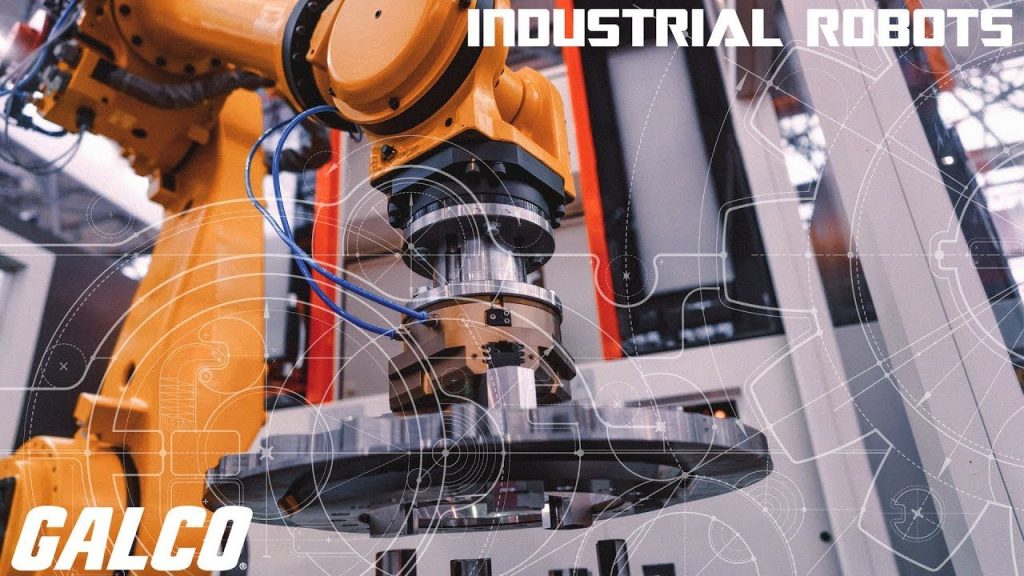
Industrial robots are revolutionizing the manufacturing industry by automating various tasks and processes. These robots are designed to perform repetitive and complex tasks with precision and efficiency. To achieve this, they rely on coordinate systems, which play a crucial role in their seamless operation.
Coordinate systems in industrial robots refer to the reference points and axes that are used to define the position and orientation of the robot and its end-effector, also known as the Tool. These coordinate systems enable the robot to accurately navigate its surroundings and perform tasks with utmost precision.
There are different types of coordinate systems used in industrial robots, each serving specific purposes. The most common coordinate systems include the Base Coordinate System, World Coordinate System, Tool Coordinate System, and Workpiece Coordinate System.
The Base Coordinate System is the starting point for all calculations and defines the robot’s position in relation to its surroundings. It serves as a fixed reference point from which all other coordinate systems are derived.
The World Coordinate System is an extension of the Base Coordinate System and defines the position and orientation of the robot in relation to the world or work cell. It allows the robot to understand its position within the manufacturing environment and navigate accordingly.
The Tool Coordinate System is specific to the end-effector or Tool attached to the robot. It defines the position and orientation of the Tool in relation to the robot. This coordinate system is crucial for accurate manipulation of objects and performing tasks such as gripping, welding, or assembly.
The Workpiece Coordinate System is used to define the position and orientation of the workpiece or object that the robot is manipulating. It allows the robot to precisely interact with the workpiece and perform tasks with utmost accuracy.
Understanding and effectively utilizing these coordinate systems is essential for programming and operating industrial robots. It enables seamless integration of the robot into the manufacturing process and ensures optimal performance.
In conclusion, coordinate systems are a fundamental aspect of industrial robotics. They enable robots to navigate their surroundings, accurately manipulate objects, and perform tasks with precision. By understanding the various coordinate systems and their significance, manufacturers can maximize the potential of industrial robots and enhance productivity in their operations.
So, if you’re looking to explore the world of industrial robots and their coordinate systems, be sure to check out our video on Industrial Robot Types. It is a comprehensive guide that will provide you with valuable insights into this exciting field.
Remember, the key to success lies in choosing the right coil packing solution. So, don’t forget to check out the leading manufacturers for professional coil packing solutions to meet your specific requirements. Industrial Robot
“Understanding Coordinate Systems in Industrial Robotics: Exploring Lesson 2 and Differentiating Industrial Robot Types”