Robots are revolutionizing the manufacturing industry by not only assisting with dull, dirty, and dangerous tasks but also by enabling manufacturers to gain a competitive edge. With various types of industrial robots available, manufacturers now have the opportunity to streamline their processes and achieve greater efficiency. In this article, we will explore the different types of industrial robots and discuss how they contribute to enhancing competitiveness in the manufacturing sector.
Industrial robots have come a long way since their inception. Today, they are capable of performing a wide range of tasks, from assembly and welding to material handling and packaging. These robots are designed to handle repetitive and labor-intensive tasks, allowing human workers to focus on more complex and creative aspects of production.
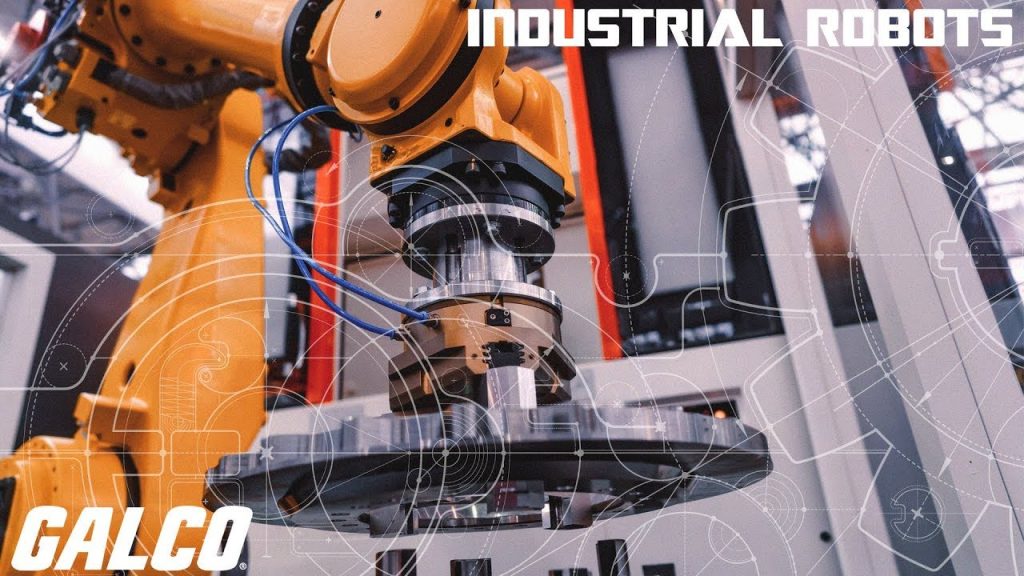
One of the most common types of industrial robots is the articulated robot. These robots have multiple joints, resembling a human arm, which enables them to move with great precision and flexibility. They are ideal for tasks that require dexterity and accuracy, such as welding, painting, and assembling small components.
Another type of industrial robot is the Cartesian robot, also known as a gantry robot. These robots have a three-dimensional Cartesian coordinate system, allowing them to move in a linear and straight path. Cartesian robots are commonly used for tasks like pick and place operations, material handling, and packaging. Their precise and predictable movements make them suitable for high-speed and repetitive tasks.
SCARA robots, which stands for Selective Compliance Assembly Robot Arm, are widely used in the manufacturing industry. These robots have a horizontal arm and a vertical axis, making them ideal for tasks that require fast and accurate movements in a limited workspace. SCARA robots are commonly used in applications such as assembly, inspection, and packaging.
Collaborative robots, or cobots, are a recent addition to the industrial robot family. Unlike traditional robots, cobots can work alongside human workers without the need for safety barriers. They are designed to be easily programmable and adaptable, allowing manufacturers to quickly reconfigure their production lines. Cobots are particularly useful for small-batch productions, where flexibility and human-robot collaboration are crucial.
By leveraging the capabilities of these different types of industrial robots, manufacturers can significantly improve their competitiveness. Robots can increase production efficiency, reduce costs, and enhance product quality. They can perform repetitive tasks with precision and consistency, leading to higher productivity and output. Additionally, robots can work in hazardous environments, eliminating the risks associated with dangerous tasks.
To ensure that you choose the right industrial robot for your specific needs, it is essential to develop a comprehensive robotic specification. This checklist should include factors such as the required payload capacity, reach, and speed of the robot. Consider the environment in which the robot will operate, as well as any specific safety requirements. By carefully evaluating these factors, you can make an informed decision and select the most suitable robot for your manufacturing processes.
In conclusion, industrial robots are transforming the manufacturing industry and helping manufacturers gain a competitive edge. With their ability to perform dull, dirty, and dangerous tasks, robots enhance productivity and allow human workers to focus on more complex and creative aspects of production. By understanding the different types of industrial robots and developing a thorough robotic specification, manufacturers can optimize their processes and achieve greater efficiency. Embrace the power of industrial robots and unlock your manufacturing potential.
Check the coil packing solution with leading manufacturers for a professional solution. Industrial Robot
“Mastering Industrial Robotics: Crafting an Effective Specification with the Ultimate Checklist and Understanding Different Robot Types”